Johannesburg: where to stay and how to plan your visit in Gauteng
Johannesburg, a dynamic gateway to Gauteng, offers a wide range of accommodation from intimate guest houses and B&Bs to stylish hotels and self‑catering lodges. When planning a stay, it helps to think in terms of neighbourhoods, transport options and the type of experience you want. A well‑chosen base can make it easier to access major attractions, enjoy diverse dining and explore both urban highlights and nearby countryside, all within a comfortable travel radius.
Areas to consider include central and cultural hubs such as Braamfontein and Maboneng, which are popular with travellers who value an energetic, urban atmosphere and walkable streets. Rosebank and Sandton provide a more polished, shopper‑friendly environment with easy access to business districts and modern malls. Melville and Parkhurst offer a laid‑back vibe with boutique guest houses and wine‑bar precincts, while Soweto presents a rich history and engaging guided experiences. For those seeking a quieter retreat, northern suburbs often feature guest houses and lodges with larger grounds and more muted nightlife. Depending on your pace and interests, you can choose a location close to transport corridors or closer to specific neighbourhoods you’d like to explore.
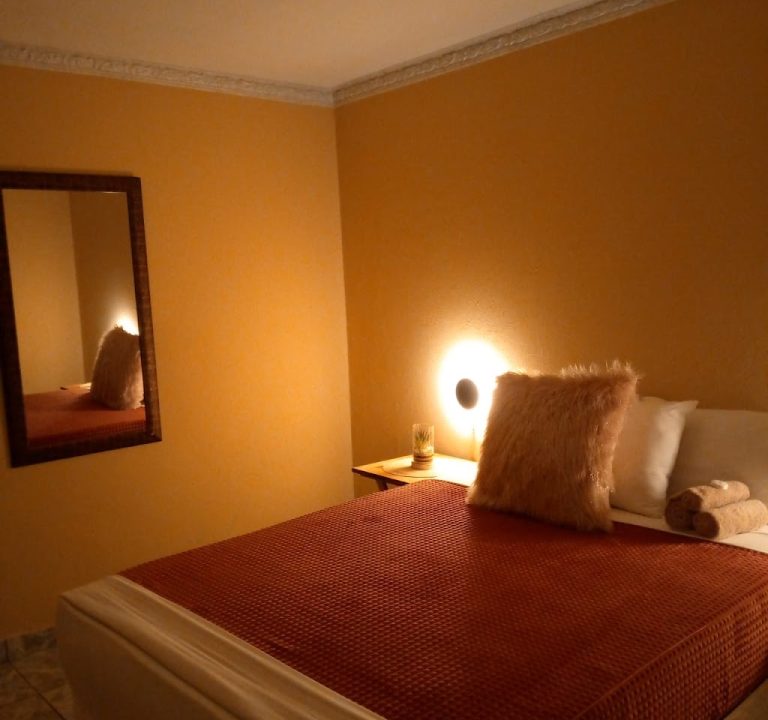
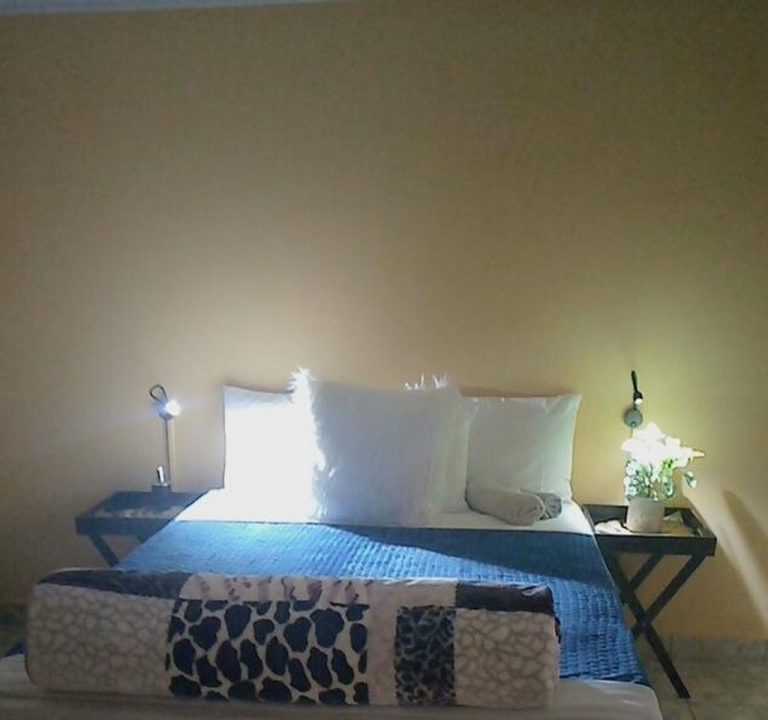
When booking accommodation, look for a few practical basics that can influence comfort and convenience. Strong Wi‑Fi and reliable hot water are essential for most guests, as is secure parking or a safe, well‑lit area if you plan to hire a car. A guest house or boutique hotel may offer breakfast options and a friendly, personalised service that is common in smaller properties. Consider whether you prefer a guest house with a communal lounge and shared spaces, or a self‑contained suite with a kitchenette for longer stays. Accessibility can matter too; many places provide lifts or single‑level layouts, which is worth checking if you have specific mobility needs.
Transport in Johannesburg is relatively straightforward but depends on the area. The city is served by regional rail networks and a statewide transport hub in the central business district, including the Gautrain links to Pretoria and the OR Tambo International Airport corridor. Within the city, Uber, Bolt and metered taxis are widely available, and some guest houses arrange transfers or offer shuttle services to key sights. If you plan longer day trips, a car provides flexibility to explore beyond the city core, but in busy areas you may prefer to rely on guided tours or public transit for convenience and safety. Free or paid parking near your accommodation can be a deciding factor for self‑driven travellers.
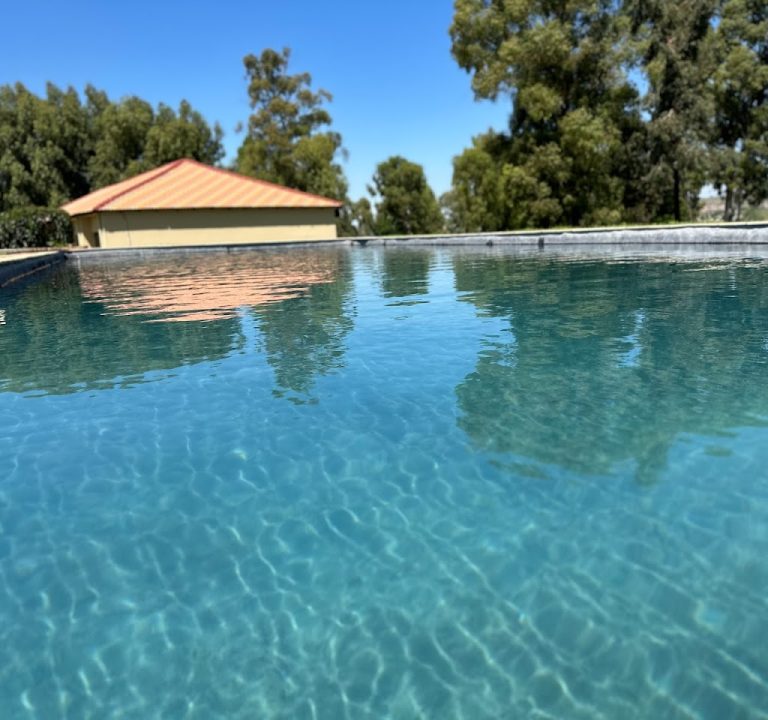
Typical amenities you might expect include en‑suite bathrooms, air conditioning or heating, a well‑equipped kitchenette or breakfast service, and access to laundry facilities. A guest house may offer a garden or terrace where you can relax, while a hotel might provide on‑site dining, a fitness room, business facilities and concierge services. For families or longer stays, consider properties with family suites, extra‑large beds or sofa beds, and clear early‑booking policies for group sizes. If you value sustainability, look for places with water‑saving measures, recycling, and energy‑efficient practices in place.
The best time to visit Johannesburg depends on your aims. The city experiences a dry season through the winter months (roughly May to August), when daytime temperatures are comfortable and evenings can be chilly. Summer (roughly November to March) brings warmer days with occasional rainstorms. For wildlife‑rich day trips to nearby reserves or scenic drives in the countryside, many travellers prefer the drier months for clearer landscapes. If your plans include outdoor markets, street art tours and neighbourhood walks, moderate weather can extend your window of opportunity. Regardless of season, plan some time for indoor cultural experiences such as museums and galleries, which showcase Johannesburg’s complex history and contemporary arts scene.
Among the city’s broad range of attractions, you can expect engaging museums and historic sites, dynamic markets and cultural precincts, and accessible nature escapes within a short drive. Guided or self‑guided tours often cover the story of the city’s past, its role in social change, and its vibrant urban redevelopments. For food lovers, Johannesburg offers a diverse culinary scene with restaurants or street‑food options reflecting South Africa’s many communities, from traditional flavours to contemporary fusion. In every case, you’ll find dining that spans casual cafés to more refined eateries, with opportunities to sample a range of regional dishes and international cuisines.
Practical tips to help you plan your stay:
- Book with flexibility where possible, especially if you are watching transit connections or fluctuating flight times.
- Check latest safety guidance and plan your daily routes with local advice, particularly if you’re exploring older neighbourhoods after dark.
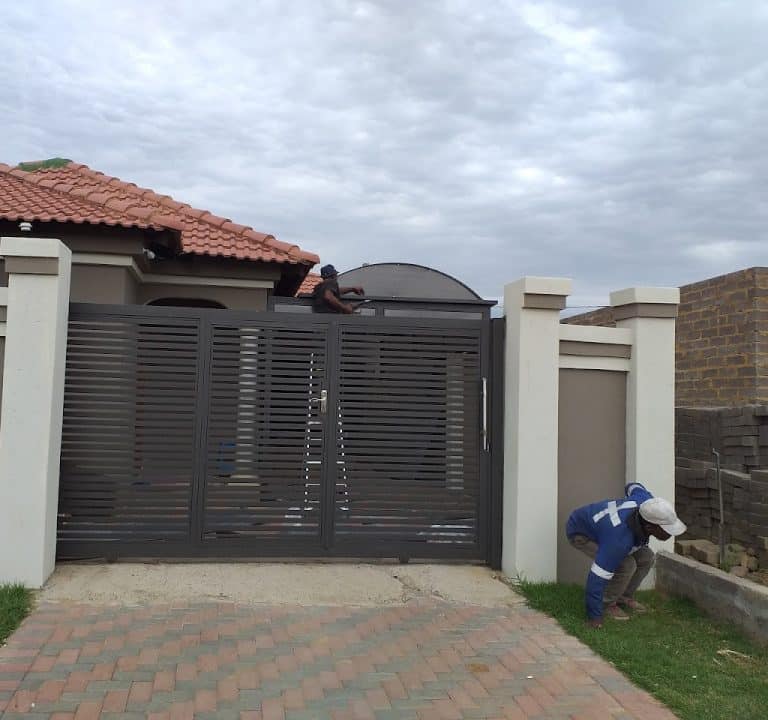
- Look for properties with clear parking details, security measures and good lighting in entryways.
- Confirm what is included in breakfast and whether there are options for dietary needs or early departures.
- Research nearby sights and walking routes to minimise unnecessary journeys; many areas offer efficient day‑trip combinations.
For travellers seeking a convenient and comfortable stay in Johannesburg, a well‑chosen base can unlock both iconic attractions and a rich, everyday urban experience. Whether you prefer a stylish boutique guest house in a bustling precinct, a family‑friendly lodge on the edge of the city, or a quiet retreat with easy access to transport links, the right accommodation will help you make the most of your time in Gauteng. For ideas and planning resources, you can browse destination guides and property listings to find options that match your schedule, budget and preferred pace of travel.