Johannesburg: Where to stay, what to see, and how to plan a great visit
Johannesburg, or Jo’burg as many locals call it, is a dynamic gateway to Gauteng Province. A stay here can be as relaxed or as action-packed as you wish, with a mix of charming guesthouses, boutique inns, and comfortable hotels that suit a range of budgets. When planning a stay, think about what you want to experience first—city culture, history, shopping, or family-friendly outings—and pick a neighbourhood that aligns with those interests. A well-situated base makes day trips easier and evenings more enjoyable.
In Johannesburg, accommodation tends to cluster around several distinct districts. Rosebank offers a leafy, well-connected option with easy access to the Gautrain and a modern retail scene. Sandton is the financial heart with upscale hotels and convenient transport links, including direct routes to the airport and suburbs. Braamfontein and Newtown provide a more bohemian, artsy vibe with cafés, nightlife, and close proximity to museums and theatre. Maboneng is ideal for those seeking vibrant street life and creative energy, while Soweto presents opportunities for guided heritage and township experiences. For a quieter stay, consider an inn or guesthouse in a residential neighbourhood just outside the central belt, which can offer a more local atmosphere and easy Uber or taxi access to the main sights.
When booking, look for several practical features. Free or affordable on-site parking is handy if you plan to hire a car. A good breakfast can save time in the mornings, especially for early tours or day trips. Reliable Wi‑Fi, a secure reception, and well-lit common areas contribute to a comfortable stay. If you’re travelling with family, check room configurations and whether the property offers family-friendly amenities such as interconnecting rooms or game spaces. If you’ll be out late, inquire about 24-hour reception or on-call staff. For business trips or longer stays, a small desk, sufficient power outlets, and a comfortable workspace can be a welcome bonus.
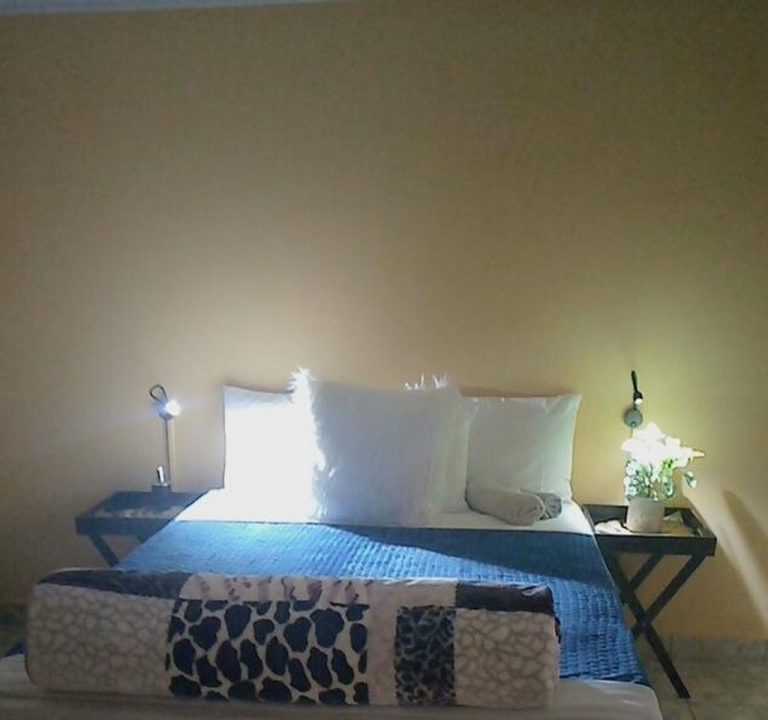
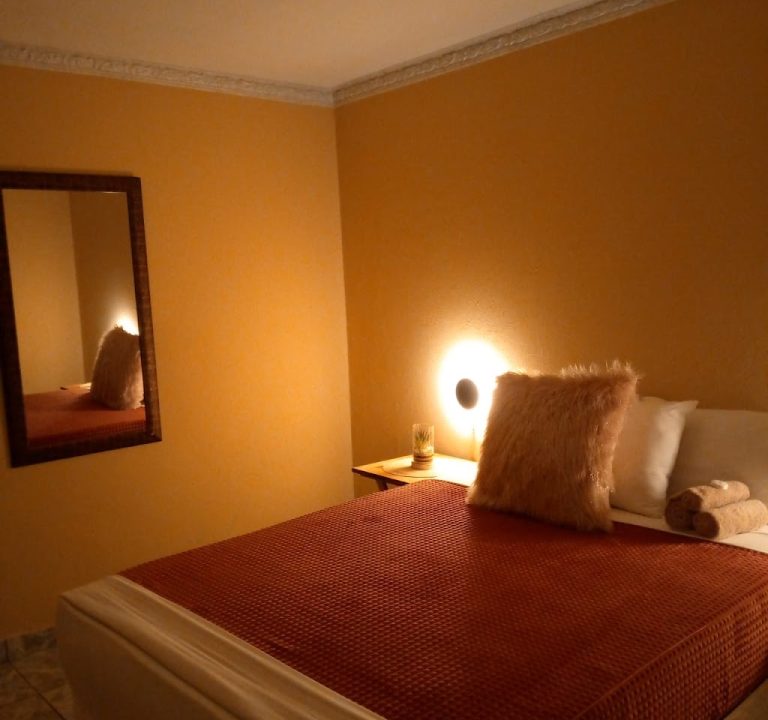
Accommodations in Johannesburg range from intimate inns—such as Solomon Inn, a cosy option often admired for its personal service—to larger boutique hotels that blend modern comforts with local character. Even small inns can provide thoughtful touches like curated local guides, self-guided walking routes, and tips on safe areas to explore. When reading reviews, weigh factors such as safety, proximity to transport hubs, and what a particular area feels like after dark. If possible, choose accommodation that offers easy access to public transport or reliable ride-hailing options, since some parts of the city are best explored with a local driver or a car.
Transport in Johannesburg is well supported by an international airport, a regional rail network, and road links to the rest of Gauteng. The Gautrain is a popular choice for fast, comfortable travel between the city centre, Sandton, and OR Tambo International Airport. Within the city, taxis, ride-hailing services, and rental cars are common. If you plan to use the Gautrain, think about your day-to-day itinerary so you can pair train travel with short taxi rides to venues, museums, or markets. For longer street excursions, a guided tour can be a wise option to gain context and avoid missteps. Walking is pleasant in districts with pedestrian-friendly streets and well-kept public spaces, but some areas require sensible caution after dark.
The best time to visit Johannesburg depends on what you want from your trip. The city experiences warm summers with afternoon thunderstorms and cooler, dry winters. For outdoor markets, gardens, and wildlife escapes, the spring and autumn months offer pleasant temperatures. If you’re keen on cultural events or city festivals, check a local events calendar ahead of your trip. Spring and autumn also tend to be shoulder seasons, which can mean lower prices and fewer crowds in popular areas. It’s wise to plan indoor attractions for hot or rainy days, such as museums, galleries, or culinary experiences, so you still have a rich itinerary even when the weather shifts.
Suggested planning tips for a balanced Johannesburg stay:
- Balance a few nights in a central, well-connected district with day trips to nearby attractions or Soweto.
- Book accommodation with easy access to transit or reliable taxis to cut travel time between sights.
- Look for properties offering breakfast and parking if you’re travelling with a car.
- Prepare a flexible plan that includes both cultural experiences (museums and markets) and outdoor spaces (parks and gardens).
When it comes to dining and experiences, Johannesburg offers a diverse culinary scene and plenty of options that pair well with a non-touristy itinerary. Expect a range from modern bistros to traditional South African fare, with markets and casual cafés where you can sample local flavours. For evenings, consider dining near larger parks, theatres, or art districts where the atmosphere is welcoming and safe for visitors. Guided tours, including heritage walkthroughs and township experiences, can provide insights into South Africa’s history and present-day culture, enriching any stay. Alongside the big attractions—museums, galleries, and historic sites—the city invites strolls through revived precincts, boutique shops, and buzzing cafés that showcase Johannesburg’s energy without needing to travel far from your base.
For a balanced itinerary, choose a stay that feels comfortable and convenient while still allowing you to immerse yourself in the city’s varied character. With careful planning, your Johannesburg visit can blend restful accommodation with enriching experiences, giving you a flavour of Gauteng’s capital that stays with you long after you return home.