Exploring Johannesburg: Where to stay, what to do, and practical tips for visitors
Johannesburg, or Jo’burg, is a sprawling city with a mix of historic neighbourhoods, modern business districts and vibrant cultural areas. When planning a stay in Gauteng’s largest city, consider a few core factors to ensure your accommodation aligns with your itinerary, comfort needs and safety expectations. Options range from boutique guest houses to contemporary hotels and serviced apartments, with Mosia’s Place standing out as an example of a guest house that can offer a personalised stay in a convenient location.
Areas to consider
Choosing the right neighbourhood can shape your experience. Sandton and Rosebank are popular for easy access to business districts, shopping centres and well‑connected transport links. Braamfontein and Newtown offer a lively arts and dining scene, with a compact urban feel and good walkability. Parktown and Melville can provide quieter residential bases close to universities and museums. Soweto, while a little further from central business areas, presents a powerful cultural landscape and guided tours that illuminate the country’s history. For a balanced mix of safety, amenities and access, many visitors opt for central or northern suburbs that are well served by taxis, rideshares and the Gautrain connections.
What to look for when booking
- Location relative to your planned activities and transport links
- Security features such as gated access, secure parking, and 24-hour reception
- Size and layout of the room, and whether there is a desk or work-friendly space if needed
- Access to reliable Wi‑Fi, good lighting, and sufficient power outlets
- On‑site amenities: breakfast options, a kitchen or kitchenette, laundry facilities, and a lounge or outdoor spaces
- Parking arrangements if you plan to hire a car
- Guest reviews focusing on cleanliness, staff helpfulness and neighbourhood safety
Typical amenities and how they help
Many guest houses and boutique hotels in Johannesburg offer generous breakfast options, with some providing continental or cooked‑to‑order dishes. En‑suite bathrooms, air‑conditioning or ceiling fans, and comfortable beds are common, as is daily housekeeping. Some properties may feature outdoor gardens or courtyards, which are welcome for sunlit mornings or evening wind‑downs. For travellers balancing work and leisure, a quiet work area and reliable Wi‑Fi can make a big difference. If you are staying for a short business trip, proximity to main roads and access to public transport can reduce travel time.
Transport and getting around
Johannesburg’s layout is best navigated with a mix of transport options. The Gautrain network connects key hubs with rapid rail across parts of Gauteng, while taxis, rideshare services and airport shuttles provide door‑to‑door convenience. In central districts, walkability varies by area and time of day, so plan evening plans with a transport plan in mind. If you rent a car, ensure secure parking and be aware of peak traffic hours. Request a map or local tips from your host or front desk—many properties offer city guides or recommended routes for safe, sunny days and evening strolls.
Best time to visit
Johannesburg enjoys mild, dry winters and warm summers. The city tends to be busiest during South Africa’s peak travel months, so booking ahead is wise for accommodation with popular dates. If you prefer fewer crowds, aim for the shoulder seasons in spring or autumn, when the weather is generally pleasant and the streets feel a bit quieter. Outdoor areas, museums, and markets can be especially enjoyable on clear weekends.
Practical tips for a comfortable stay
- Check local safety guidance and keep valuables secure in your accommodation
- Plan morning or early evening activities to take advantage of daylight in safer neighbourhoods
- Use reputable transport options, particularly after dark
- Request directions to nearby supermarkets, eateries and coffee spots to minimise long walks
- Confirm breakfast timings, especially if you have early plans
- Look for properties with flexible cancellation policies in case plans change
Attractions and experiences (general terms)
Johannesburg is rich in history, culture and contemporary arts. You can expect museums and memorial sites that illuminate the country’s complex past, as well as galleries and neighbourhood precincts known for street art, restaurants and live music. The city also acts as a gateway to wider Gauteng experiences, including wildlife and nature reserves in the region, and day trips tailored to an urban‑and‑outdoor mix. When booking experiences, consider guided tours whether for city highlights, township insights, or nature escapes, and balance time between indoor cultural venues and outdoor exploration.
Dining and local flavour
The city’s dining scene offers a range of options, from casual eateries to refined dining rooms. In many districts you’ll find modern cafés, casual bistros and vibrant street‑level dining spaces that reflect a blend of flavours and cuisines. Try areas known for their culinary diversity, making reservations during peak times where possible, and consider a guided food or neighbourhood walk to sample multiple spots in a single outing.
A note on Mosia’s Place
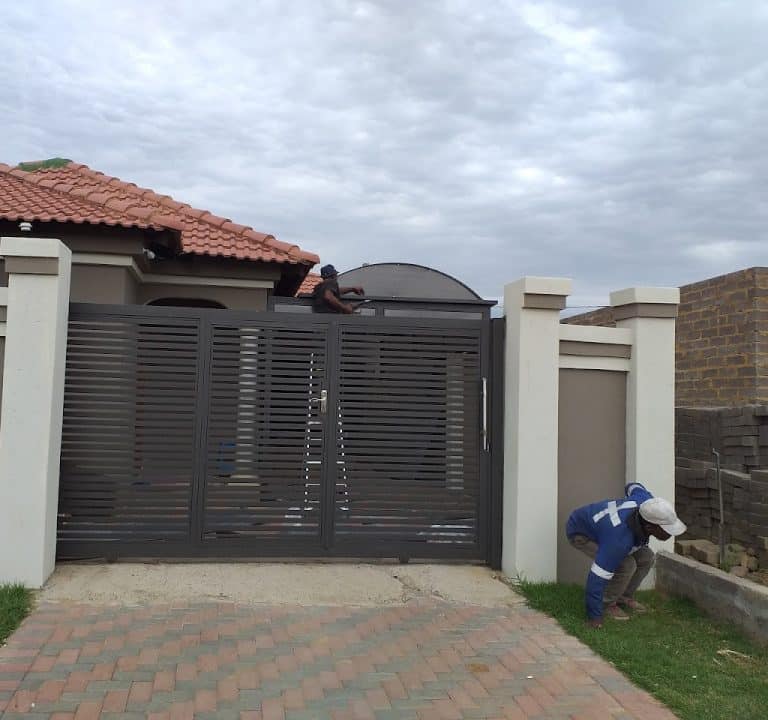
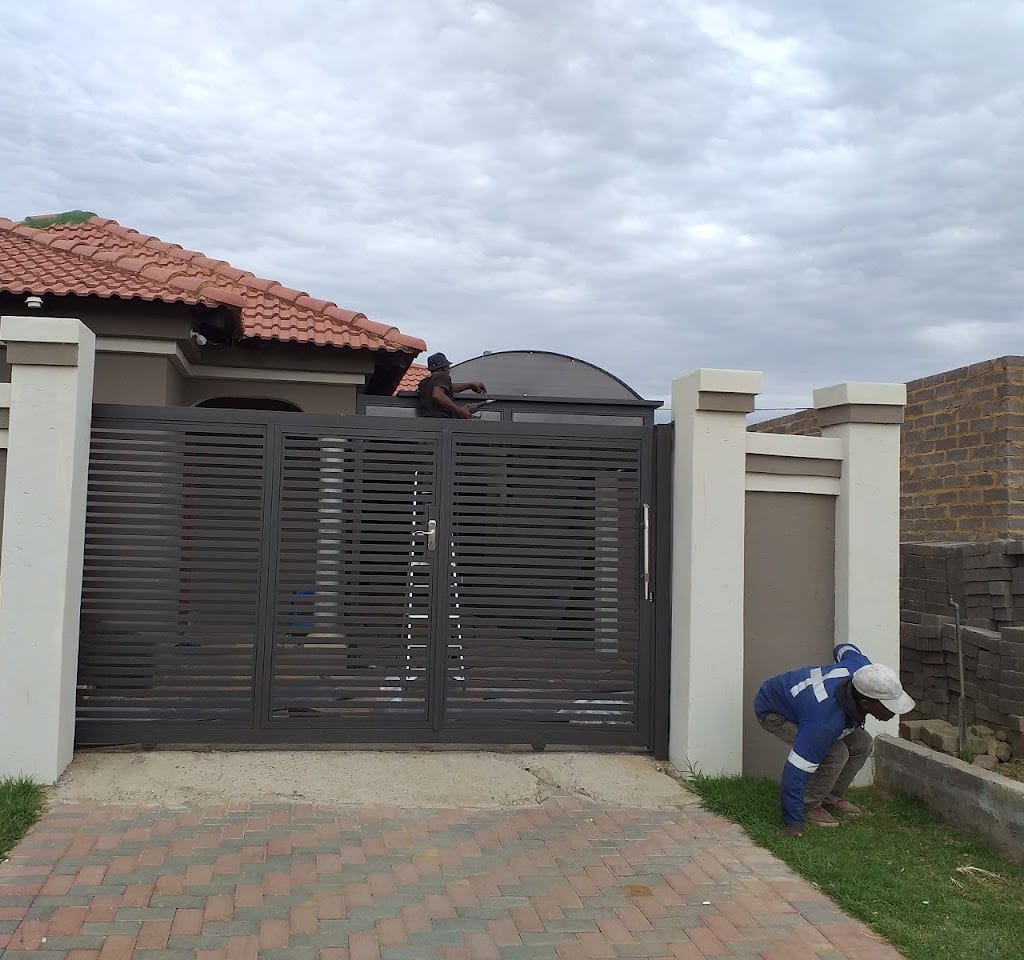
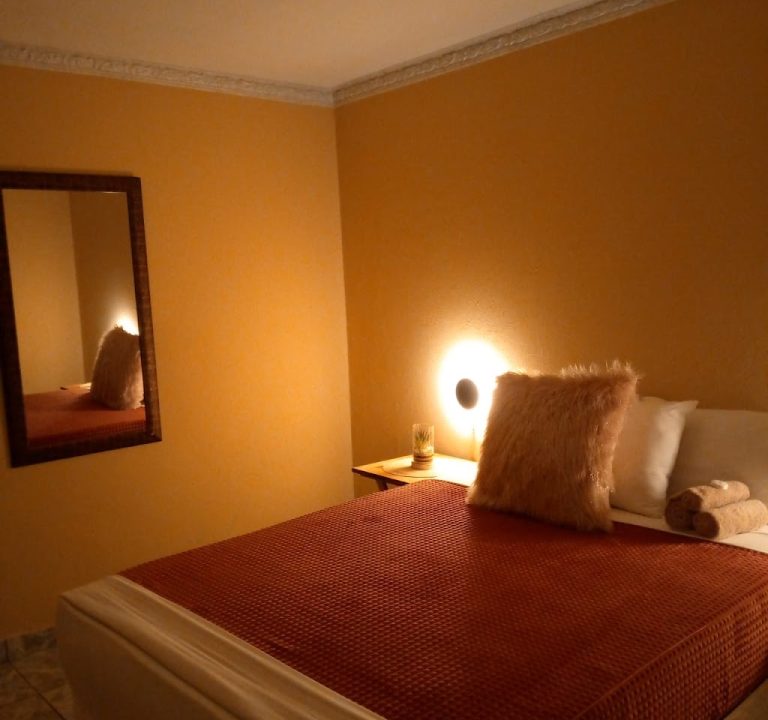
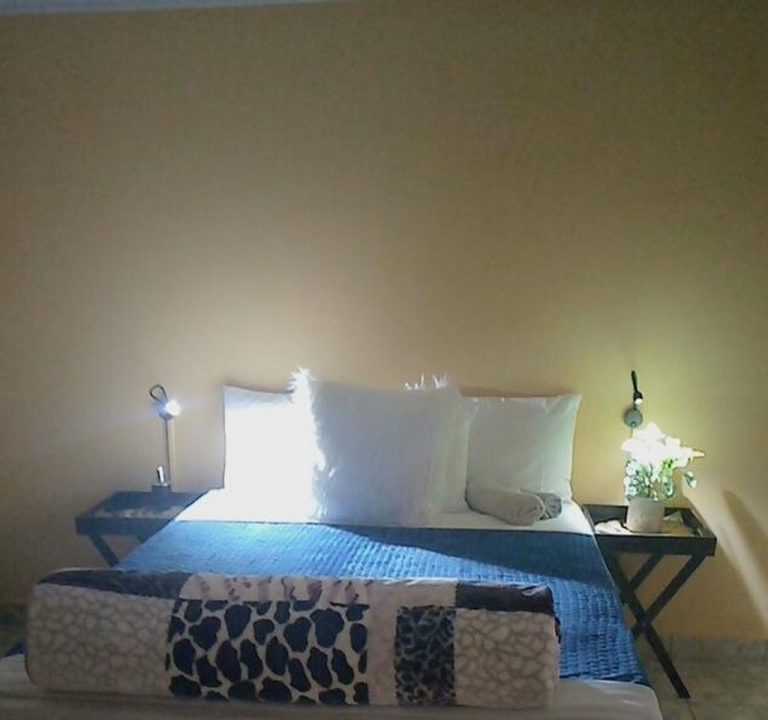
As a guest house option in Johannesburg, Mosia’s Place can provide a more intimate, home‑style stay for travellers seeking a personable experience. Guest houses like this often combine comfortable rooms with a sense of local character, and can be a sensible base for exploring nearby attractions and business hubs. If you are exploring stay options, review what makes Mosia’s Place unique, the layout of rooms, and any guest‑focussed services they offer to tailor your visit.
Website and further information
To plan ahead, consult the accommodation’s official page or trusted booking platforms for up‑to‑date availability, facilities and guest reviews. Where links are available, they can provide practical details, location maps and current policies that will be helpful when finalising your plans.
In summary, Johannesburg offers a broad spectrum of places to stay that can suit a range of itineraries. By prioritising location, security, amenities and transport access, you can build a comfortable and enjoyable visit to Johannesburg and the wider Gauteng region.