Where to stay in Cape Town: accommodation planning, areas, and a few ideas for activities
Cape Town offers a diverse range of places to lay your head, from intimate guest houses to chic boutique hotels and self‑contained apartments with sea views. When planning a stay, think about what you want from your base: easy access to the city centre for sightseeing, proximity to beaches, or a quieter neighbourhood with good restaurants and leafy streets. The city’s geography is part of the experience, with the dramatic Table Mountain framing every plan and a coastline that varies from rugged cliffs to sandy bays.
One practical approach is to choose a neighbourhood that aligns with your itinerary. The City Bowl and the central business district are convenient for museums, markets, and nightlife, but they can be busier and pricier. The Atlantic Seaboard, including areas like Sea Point and Estoril coastal paths, offers longer walks, ocean views, and a calmer pace. Camps Bay and Clifton are sands‑and‑scenery options for travellers who want to be near the coastline, while Constantia and the Southern Suburbs provide easy access to winelands and green spaces. For a day of exploration beyond the city, many visitors use a guest house or hotel as a comfortable base from which to make day trips to Cape Point, the Cape Winelands, or the Cape Peninsula scenic routes.
When it comes to booking, a few criteria can help you compare options quickly. Look for en‑suite bathrooms and clear policies on cleaning and privacy. Check for off‑street parking or secure access if you are arriving by car, and ask about breakfast setups, whether it is included, and what flexibility there is for dietary needs. Wifi quality is important if you plan to work remotely or stream during downtime. If you travel with family or a small group, a family room, kitchenette, or separate lounge areas can add comfort and value. If sustainability matters to you, some properties advertise energy‑efficient features, recycling practices, or water‑saving initiatives—worth asking about during enquiries.
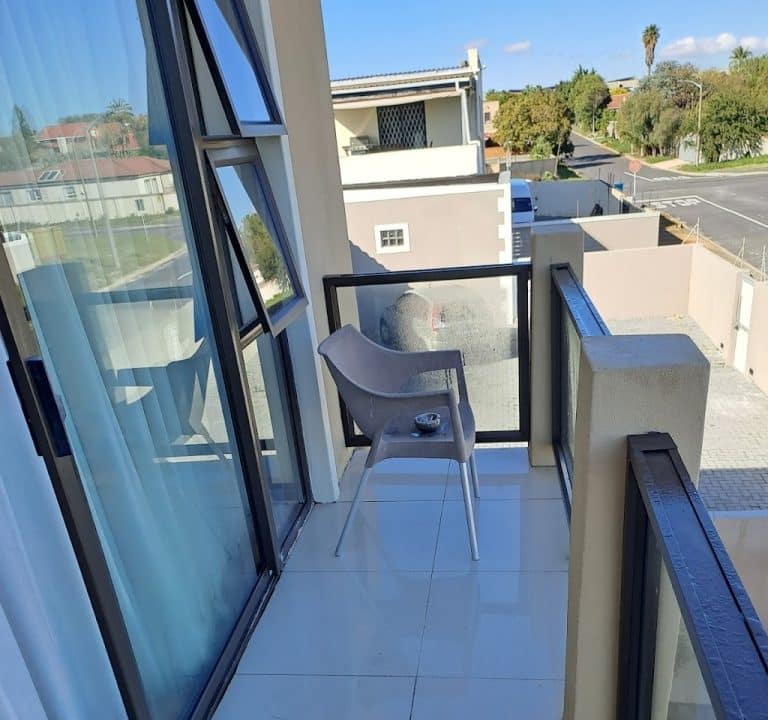
Typical amenities across accommodation options in Cape Town include a warm welcome, comfortable furnishings, daily housekeeping or regular cleaning, and a choice of private or shared spaces. Expect fresh linen and towels, tea and coffee making facilities, and reliable hot water. A pool or outdoor terrace is a welcome feature on warmer days, while secure parking or easy access to public transport is a practical benefit for those who plan to explore without relying on a car. For longer stays, a kitchenette or self‑catering facilities can be a real advantage, allowing you to prepare meals at your own pace after long days out.
Transport is a key consideration. The city’s MyCiTi bus network and a growing ride‑hailing culture make it possible to get around without a car, especially in the city centre and along the Atlantic Seaboard. If you do rent a vehicle, ask about parking arrangements at your accommodation. Some areas are best explored on foot or by short rides, while others serve as convenient bases for driving to the winelands, beaches, or nature reserves. If you rely on public transport, choosing a stay near major routes or interchanges can save time and reduce hassle during peak periods.
Best time to visit Cape Town depends on what you want from your trip. Summer (December to February) brings long days, lively outdoor spaces, and sea‑swimming opportunities, but also the peak crowds. Spring (September to November) and autumn (March to May) offer pleasant weather with fewer crowds and lush scenery as the fynbos blooms. Winter (June to August) tends to be cooler and wetter, yet it remains a good time to find hotel deals and enjoy indoor experiences, restaurants, and museums. If you plan coastal activities, check the weather and sea conditions ahead of time, as conditions can change rapidly along the coast and in the Atlantic swells.
Practical tips for booking and staying. Read recent guest reviews to gauge consistency, particularly around service, cleanliness, and noise levels. For longer stays, ask about guest access to communal kitchens or lounges and whether there are self‑check‑in options for flexibility. If you’re visiting with a vehicle, confirm parking availability and any associated costs. Consider a mix of experiences: a central location for days in the city, paired with a calmer neighbourhood for evenings and mornings, followed by a possible day trip to the winelands or a coastal drive for scenic beauty. Look at cancellation policies and whether credits or refunds are offered in case of changes to travel plans.
Attractions and experiences in the area are as varied as the landscape, and staying near a convenient hub can help you maximise your time. You might spend days exploring the natural beauty around Table Mountain or the Cape Peninsula, and evenings sampling a range of dining options—from modern bistros to classic South African kitchens. Cape Town’s culinary scene emphasises fresh local ingredients and multicultural influences, with many restaurants offering seasonal tasting menus or relaxed, family‑friendly atmospheres. For a well‑rounded visit, plan a couple of organised activities, such as a guided coastal walk, a wine tasting day in nearby towns, or a cultural excursion that showcases local art, history, and neighbourhood markets.
In short, Cape Town rewards thoughtful planning. Choose a base that fits your interests, weigh the trade‑offs between city convenience and coastal ambience, and balance indoor and outdoor experiences. With careful selection of where to stay, how to get around, and what to see, you can craft a memorable stay in one of South Africa’s most compelling travel destinations.