Accommodation and Experiences in Cape Town: Planning a Memorable Stay
Cape Town in the Western Cape offers a rich mix of places to stay, from intimate guesthouses perched on the slopes of Table Mountain to coastal lodges with sea views and modern boutique hotels in vibrant neighbourhoods. When planning a visit, it helps to think about what you want to experience: dramatic scenery, world‑class dining, beaches, culture, and easy access to the city’s outdoor activities. A well‑chosen base can streamline your days and keep travel time to a minimum, while a more flexible itinerary can allow you to explore multiple sides of this diverse destination.
Areas to consider for your stay include the City Bowl for convenient access to museums, markets and dining, the Atlantic Seaboard for dramatic coastal walks and stylish eateries, and the Southern Suburbs for leafy suburbs and proximity to wine regions. If you want a quiet retreat with fewer crowds, consider the Constantia Valley or nearby Constantia Nek, where lodges and guesthouses often combine garden settings with easy access to mountain trails. For a beachfront atmosphere, camps and lodges along the Atlantic coast offer easy routes to hiking, surfing, and stunning sunsets, while the historic Constantia Manor and nearby wine farms provide a genteel contrast with lush grounds and tasting rooms.
Typical accommodation types you’ll encounter include boutique hotels with personalised service, guesthouses with homely décor and inclusive breakfasts, and lodges that blend comfort with a touch of wilderness. A place such as a lodge marketed for travellers often emphasises restful rooms, communal spaces, and nature‑oriented surroundings, sometimes with on‑site dining or easy access to trails. When booking, look for clear descriptions of room types, bed sizes, and whether facilities such as air conditioning, reliable heating, and strong Wi‑Fi are available. If you are travelling with family or a group, check for multiple bedrooms, lounge areas, and kitchen facilities. A well‑managed lodge or guesthouse will usually publish photos of public spaces, as well as practical details about parking, late‑night arrivals, and accessibility.
Practical planning tips for where to stay include considering transport links. The City Centre is well served by public transport and rideshare options, while the Atlantic Seaboard areas are great for scenic walks and beach days but may require a short drive or reliable taxi services for longer trips to vineyards or Table Mountain. If you plan to hire a car, verify parking arrangements and whether the property has secure spaces. For those relying on public transport, investigate access to the MyCiTi bus network and railway services, which can connect you to major sights and routes around the peninsula.
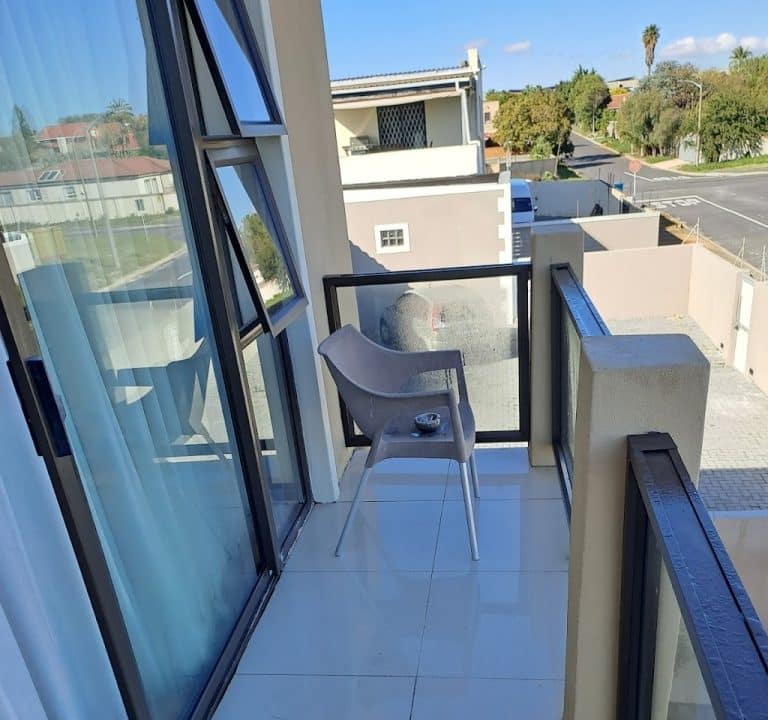
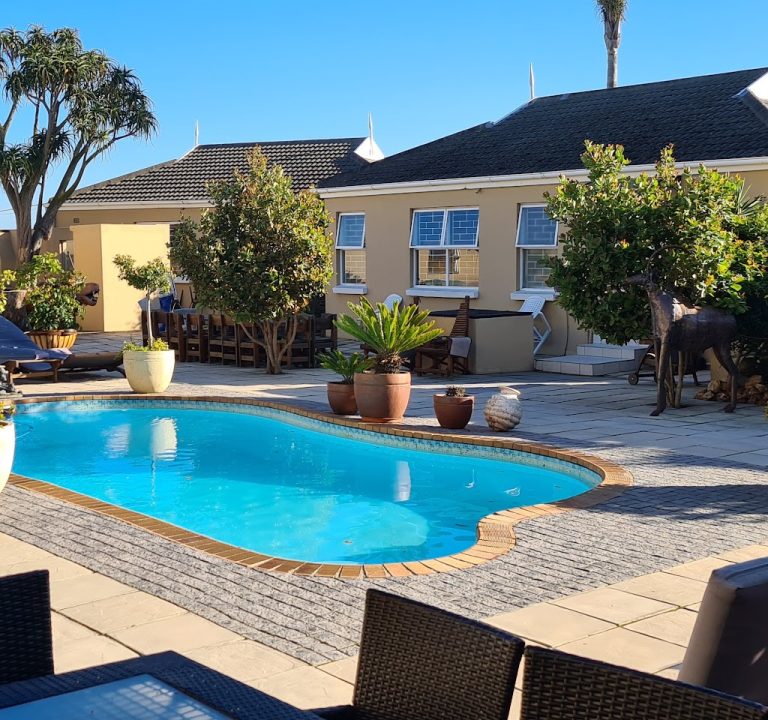
When evaluating amenities, think about what will make your stay comfortable. A continental or full breakfast can save time in busy mornings, while on‑site Wi‑Fi is essential for planning daily routes. Some properties provide tea and coffee facilities, minibars, and en‑suite bathrooms with showers or baths. For longer stays, a kitchenette or shared kitchen can be a real convenience. If you enjoy outdoor living, a property with a veranda, pool or garden spaces can be particularly appealing, especially in the warmer months of spring and summer. For guests seeking a sense of place, look for lodges or guesthouses that offer curated experiences such as guided walks, local markets visits, or wine‑country trips arranged through the property or trusted partners.
The best time to visit Cape Town depends on what you want from your holiday. Spring (September to November) brings blooming fynbos and mild weather, making it ideal for hiking and outdoor sightseeing. Summer (December to February) offers longer daylight hours and busy beaches, with lively dining scenes, while autumn (March to May) tends to be calmer and pleasant for photography and city exploring. Winter (June to August) is cooler and wetter, but the city’s restaurants and museums remain appealing, and you’ll find fewer crowds at popular viewpoints. Regardless of the season, it helps to book lodging in advance for peak periods and to confirm cancellation policies during uncertain weather or changes to travel plans.
Attractions and experiences in general terms include iconic viewpoints on Table Mountain, coastal promenades, markets and shipyards, as well as galleries and museums that showcase South Africa’s rich heritage. You can expect a range of outdoor adventures such as coastal hikes, penguin watching at a southern coastline, and scenic drives to nearby wine regions. Dining in Cape Town often reflects a fusion of cultures with a focus on fresh seafood, bountiful produce from the region, and contemporary cuisine. For a relaxed evening, you might choose a waterfront stroll followed by a meal that highlights local ingredients, or a neighbourhood restaurant that showcases seasonal menus. If you enjoy sustainable travel, look for lodges and guesthouses that emphasise responsible practices, local sourcing, and community engagement, and check whether they can arrange guided walks or custom itineraries that fit your interests.
Example accommodation to consider is a lodge such as Swinoni Lodge, which may offer a restful base with easy access to nature and city sights alike. When exploring options, compare packages or seasonal offers, and read recent guest feedback for insights into service quality, cleanliness, and the accuracy of descriptions. To help you plan your days, keep a flexible itinerary with a mix of must‑see sites and spots you discover along the way, allowing time for spontaneous stops at viewpoints or coffee shops.
Useful planning checklist
- Choose your base by balancing distance to major sights with the kind of atmosphere you want (city buzz, beach, or hillside retreat).
- Check for essential amenities: reliable Wi‑Fi, air conditioning, parking, and kitchen facilities if needed.
- Assess transport options: proximity to public transport, parking availability, and typical travel times between areas.
- Understand the cancellation policy and any seasonal discounts or breakfast inclusions.
- Look for properties offering local experiences or partnerships with guides for convenient day trips.
For further inspiration and planning resources, visit official tourism sites or reputable city guides that publish up‑to‑date information on routes, safety considerations, and attractions. A well‑chosen Cape Town base can unlock a rewarding blend of scenery, culture and cuisine, making your stay both relaxing and enriching.