Cape Town: accommodation, attractions and practical tips for a well-planned stay
South Africa’s iconic Cape Town combines dramatic natural beauty with a rich cultural tapestry. When planning a stay, choosing the right neighbourhood and type of accommodation can shape your experience as much as the sights themselves. From family-friendly guesthouses in leafy Constantia to stylish boutique stays along the Atlantic Seaboard, the city offers a range of options to suit different budgets and travel styles. Notable options include smaller guesthouses such as Ntabozuko Guesthouse and Mount Glory Guesthouse, which often provide a personal touch and local insight alongside comfortable rooms and breakfast services. Website listings and guest reviews can help you compare locations, room types and inclusions before booking.
When selecting where to stay, consider the following factors to ensure a smooth visit:
- Proximity to your planned activities: If you want quick access to Table Mountain’s viewpoints and the V&A Waterfront, consider the City Bowl or the Atlantic Seaboard. If a wine-and-dine focus appeals, Constantia or nearby Constantia Valley could be ideal.
- Transport needs: Cape Town’s geography means some areas are easier to reach by car, while others are well served by public transport or rideshares. Check whether your accommodation offers parking or shuttle services, and whether it’s near a MyCiTi bus stop or taxi options.
- Property type and atmosphere: Boutique guesthouses and BnBs often emphasise breakfast, character and local hosts who can share personalised itineraries. Larger hotels may offer more facilities, such as pools, gyms and conference spaces.
- Amenities you value: Look for free Wi‑Fi, secure parking, air conditioning, self-catering facilities or laundry services, as well as flexible check-in/check-out arrangements.
- Safety and accessibility: Pick safe neighbourhoods and check for well-lit public spaces nearby, especially if you’ll be out after dark. Consider accessibility features if needed.
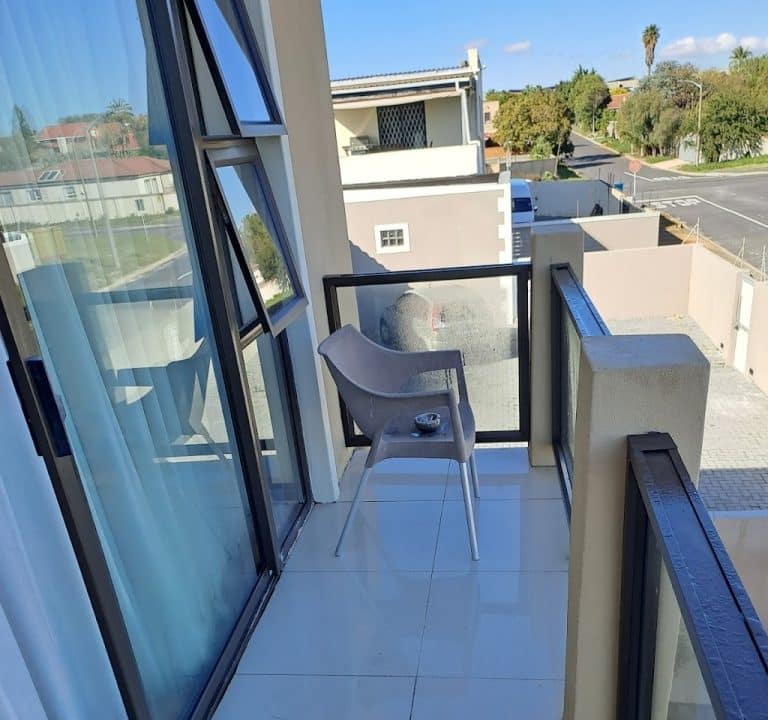
Typical amenities you may encounter include en-suite bathrooms, quality linen, tea and coffee facilities, and sometimes a continental breakfast or full breakfast offering. Guesthouses in leafy suburbs frequently pair comfort with a calm setting, while properties on the Atlantic Seaboard often provide sea views, balconies or terraces. In Cape Town, many visitors opt for a blend of stays—one or two nights near the waterfront to enjoy the harbour atmosphere, and a few nights in a quieter area closer to nature or wine routes.
Best time to visit Cape Town depends on your priorities. Spring (September to November) and autumn (March to May) offer mild weather and fewer crowds, making it ideal for exploring outdoors without peak-season bustle. Summer (November to February) brings long days, good beach conditions and lively outdoor scenes, though it can be busier and pricier. Winter (June to August) is cooler and drier, with a different charm and easier access to museums, galleries and indoor cultural experiences. Pack layers, sunscreen for sunny days, and a light rain jacket for occasional showers, particularly if you plan to hike or take cable car trips up Table Mountain, where weather can change quickly.
Getting around Cape Town is part of the experience. In addition to rental cars, a reliable options include the city’s public transport network and rideshare services. The MyCiTi bus network offers routes across several areas and can be a convenient way to reach major sights from central hubs. For scenic trips, consider guided tours that cover highlights such as Table Mountain, Robben Island, the nearby Cape Peninsula, and markets or neighbourhood food scenes. Walking is enjoyable in compact areas like the central district and the historic suburb of Bo-Kaap, where streets reflect colorful local character and history.
Attractions tend to cluster by area, allowing you to plan an efficient itinerary. In central Cape Town, expect museums, gardens, historic sites and harbour views. The surrounding region offers coastal drives, nature reserves, and wine routes that make day trips easy. For a balanced stay, pair a couple of discovery days with leisure time in a comfortable base, which makes it simpler to enjoy morning coffees, brunches, and dinners at a range of restaurants that cater to diverse tastes—seafood by the water, modern South African menus, and casual eateries with seasonal, local produce.
When dining out, look for establishments that emphasise fresh ingredients, seasonal produce and local flavours. Many venues feature views or a relaxed atmosphere that suits travellers seeking a low-stress evening after a day of sightseeing. If you’re staying in a guesthouse or boutique hideaway, take advantage of host recommendations for neighbourhood favourites and hidden gems off the beaten track.
Practical tips for a smoother stay:
- Check cancellation policies and payment terms in advance, especially for peak periods.
- Read guest reviews with a focus on cleanliness, helpfulness of hosts, and accuracy of property descriptions.
- Bring a small adaptor for South African plugs and keep a universal charger handy for phones and devices.
- Reserve popular activities and dining slots in advance during peak seasons to secure preferred times.
- Respect local safety guidelines and be mindful of personal belongings in busy areas and at tourist hotspots.
Cape Town combines natural splendour with a welcoming urban scene. By choosing a well‑located base, balancing comfort with convenience, and planning around the city’s varied rhythms, you can craft a stay that captures both the beauty of the landscape and the warmth of its people. For further inspiration and practical planning, visit official tourism sites and reputable travel guides, and consider how a thoughtfully chosen guesthouse or boutique hotel can anchor your Cape Town itinerary.