Cape Town: A Guide to Accommodation, Areas to Consider, and Getting the Most from Your Stay
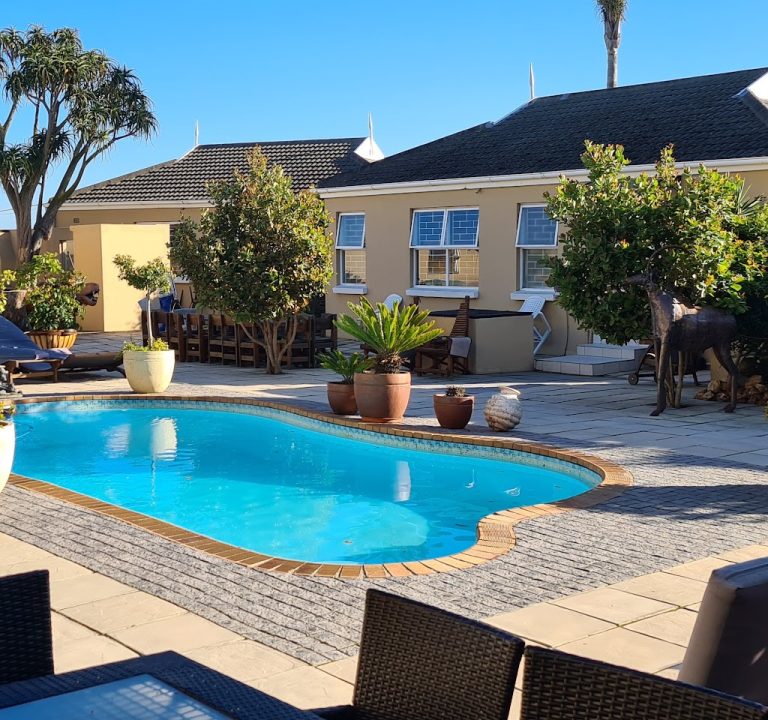
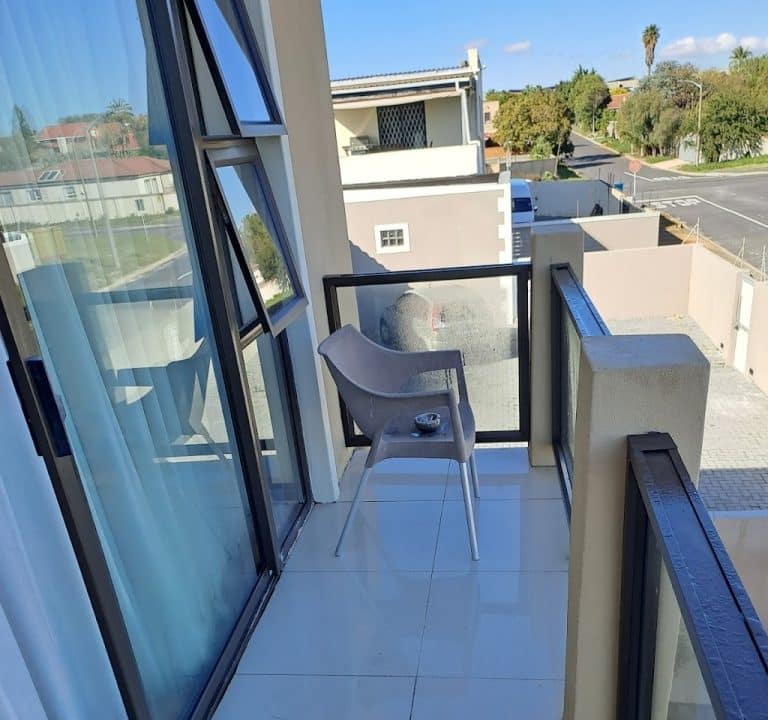
Cape Town sits at the southern tip of Africa, where dramatic coastlines meet mountain scenery and a vibrant mix of cultures. When planning a stay, consider districts that align with your priorities—whether that’s easy access to beaches, café culture, historic streets, or scenic viewpoints. A balanced stay often combines a central base with day trips to the surrounding winelands, peninsular scenery, and nature reserves. For visitors seeking a comfortable home base, Kwantu Guest House 2 offers an example of the kind of guesthouse that can blend retreat-style amenities with convenient access to everyday neighbourhood life.
Areas to consider
- City Bowl and the Central Business District: compact, walkable sections with heritage architecture, eateries, and museums. A good choice for first-time visitors who want to be near transport links and iconic sights.
- Atlantic Seaboard (Camps Bay to Seapoint): renowned for beaches, fashionable eateries, and sunset views. Ideal if you want a beachier feel and a more relaxed pace.
- Green Point and Waterfront: a lively mix of harbour activity, promenades, and easy access to the V&A Waterfront, with a range of hotels, guesthouses, and serviced apartments.
- Southern Suburbs (Constantia Valley, Kenilworth, Constantia Nek): perfect for wine lovers and travellers seeking a tranquil, residential atmosphere with easy access to the city and Table Mountain.
- Bo-Kaap and Tamboerskloof: for those who enjoy colourful streets, historic Cape Malay culture, and a neighbourhood-centre vibe with boutique stays and local cafés.
What to look for when booking
Before placing a booking, think about what matters most to you on holiday. Quick access to public transport can save time and money, so check proximity to MyCiTi bus stops or a rail link if you’re not planning to hire a car. Look for en-suite bathrooms, especially in boutique guesthouses, and consider whether you’ll benefit from on-site parking, a 24-hour reception, or secure access. Breakfast options can save time in busy mornings, while a well-equipped kitchenette or self-catering facilities offer added flexibility for longer stays. If you value views, many properties in Cape Town advertise sea or mountain vistas; confirm the direction and height of the room to avoid disappointment. Finally, review cancellation policies carefully, particularly during peak seasons when demand fluctuates widely.
Typical amenities and practical considerations
Many accommodation providers in Cape Town offer a welcoming mix of comfort and practicality: complimentary Wi‑Fi, climate control, and private or shared lounge areas; daily housekeeping; and clear guidance on local transport and tours. For families or groups, look for multi-bedroom suites or larger units with a kitchenette. On-site safe parking and reliable security are important in busy parts of the city. Some properties provide curated recommendations for local experiences—market visits, guided walks, and day trips to the Cape Peninsula or nearby wine routes—helping you to avoid time spent planning and to focus on enjoyment.
Transport and getting around
Cape Town’s public transport includes bus and rail services with central hubs in the city. If you plan day trips to the winelands or the Cape Peninsula, consider a car rental or a flexible private transfer service. Many guesthouses and hotels in the more metropolitan parts of the city offer shuttle options or partnerships with reputable tour operators. Walking and safe cycling routes are available in certain neighbourhoods, particularly around the harbour, parks, and along the coastline.
Best time to visit
Spring (September to November) and autumn (March to May) offer milder weather and thinner crowds, making them excellent for exploring outdoor attractions and gardens. Summer (December to February) brings longer days and coastal activity, ideal for beach days and water-based experiences, while winter (June to August) is cooler and quieter, with many cultural events and lower rates in some properties. Cape Town’s climate also means occasional wind and abrupt microclimates, so packing layers and sun protection is always wise.
Attractions and experiences in general terms
Visitors typically prioritise views from Table Mountain and access to the Cape’s scenic coastal routes. The historic inner city and the nearby harbour district offer museums, markets, and harbour-front promenades. Nature lovers may explore Table Mountain National Park, Kirstenbosch Botanical Gardens, and the scenic coastal paths around the Peninsula. For dining, Cape Town showcases a diverse culinary scene—from light lunches in trendy cafés to hearty braai-style meals and fresh seafood along the coastline. For those seeking memorable experiences, guided walks, coastal boat trips, and wine-tasting excursions in the surrounding regions are commonly highlighted by local operators. Always book experiences through reputable providers or your accommodation’s concierge recommendations to ensure a smooth day out.
Planning a stay with a balance of rest and exploration
When arranging your itinerary, aim for a mix of low-key days and one or two longer outings. A central stay in the City Bowl or Green Point can anchor day trips to the Constantia winelands or the Western Cape coast, while a beach-forward base around Camps Bay or Seapoint keeps seaside hours easy to enjoy. Reserve a couple of special meals or sunset experiences, but also leave room for casual meals at local markets or waterfront eateries. For a well-rounded visit, pair scenic drives with gentle strolls through historic streets, making sure to acclimatise to the local pace and climate. For more inspiration and practical planning, consider visiting official tourism resources and local accommodation guides to tailor your stay to your interests and travel style.