Accommodation and Getting the most from a stay in Cape Town, Western Cape
Cape Town blends superb natural scenery with a vibrant urban scene, making it one of the most rewarding destinations in South Africa for a stay that combines relaxation, culture and adventure. When planning a trip, consider the different neighbourhoods and what they offer in terms of access, views and ambience. From historic bohemian streets to modern waterfront precincts and tranquil coastal villages, your choice will shape your daily rhythm, dining options and how you move around the city.
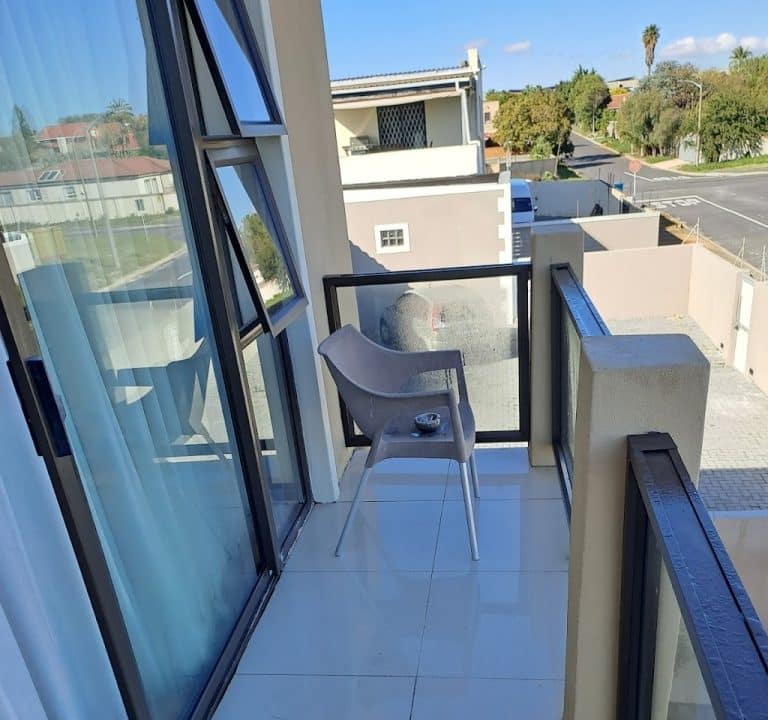
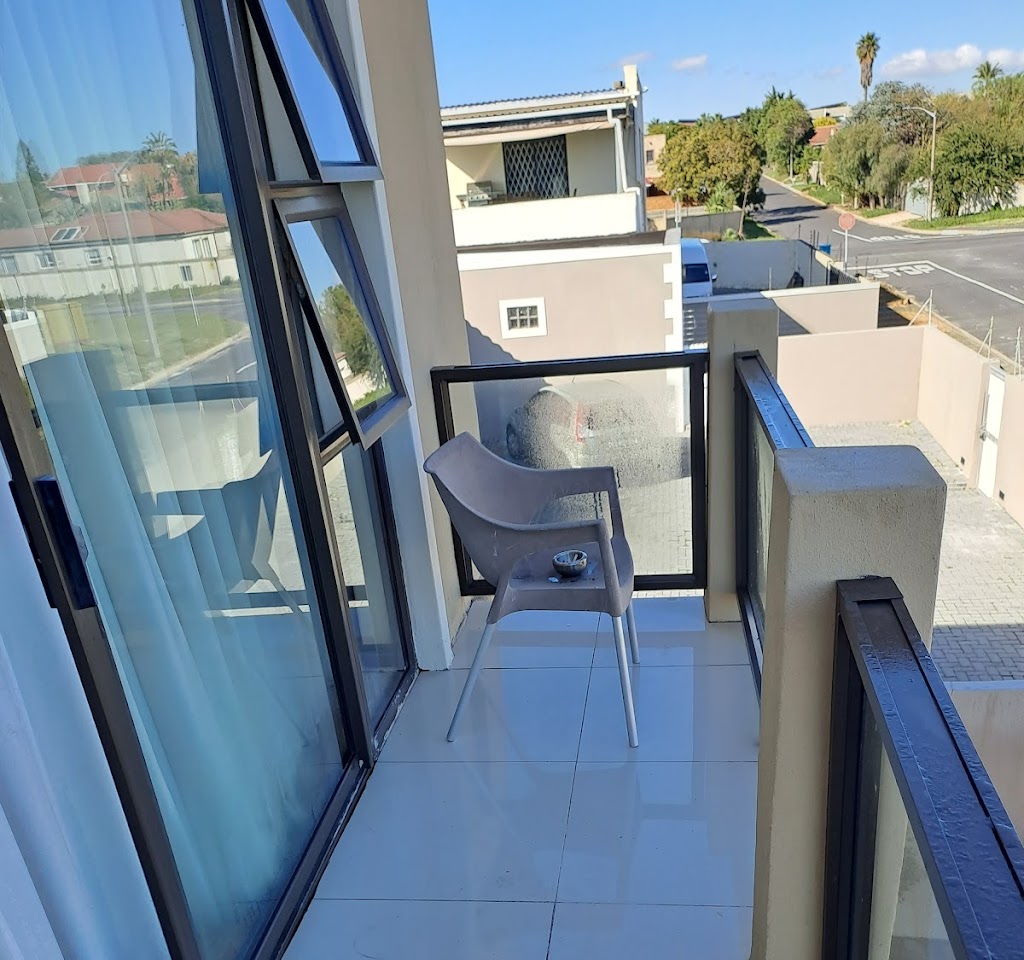
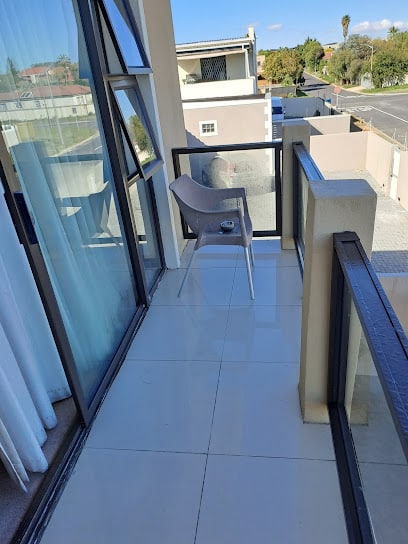
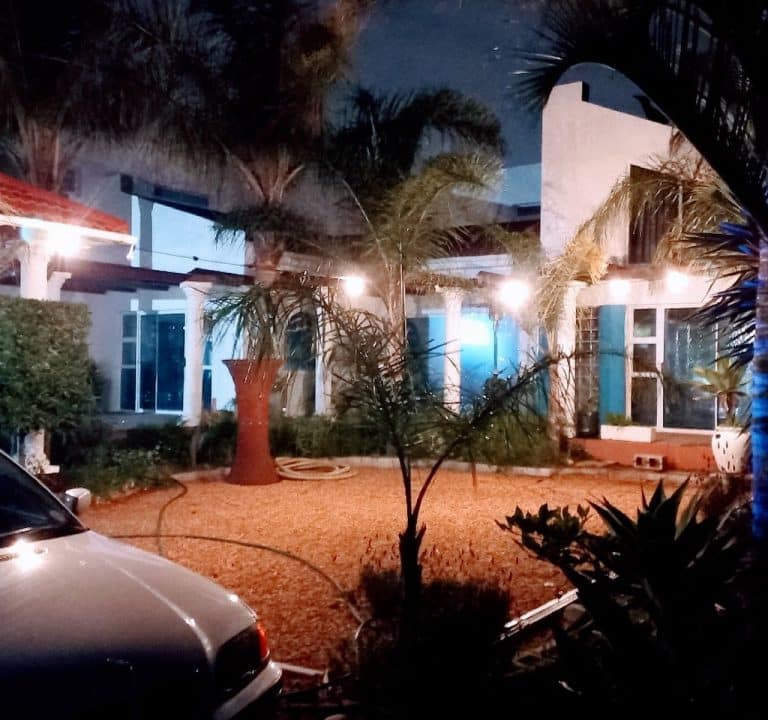
For visitors looking for characterful stays, Cape Town offers a broad range of accommodation including city-centre hotels, boutique guesthouses, family-run bed & breakfast establishments, and stylish lodges along the Atlantic Seaboard. KwaNtu Guest House 3, a bed & breakfast option, exemplifies the type of intimate, guest-focused experience available in the area and personal touches that make a visit memorable. More details can be found on its website at KwaNtu Guest House 3.
Areas to consider when planning a stay include:
- City Centre and the Foreshore: convenient for business travellers and first-time visitors who want quick access to museums, markets and theatre districts, with easy links to major attractions.
- Green Point and the Atlantic Seaboard: ideal for travellers seeking coastal walks, sea views and proximity to beaches, trendy eateries and nightlife.
- Southern Suburbs (Rondebosch, Claremont, Observatory): often quieter, family-friendly, with good access to universities, gardens and a more residential vibe.
- Wine Country pockets such as Constantia or Stellenbosch (a day trip): perfect for visitors who want to combine a stay with premium wine estates and scenic drives, while still enjoying Cape Town’s city amenities on other days.
When booking, look for a few practical features to enhance your stay. A comfortable bed and good sound insulation are essential for a restful night after a day of exploring. A well-equipped kitchen or continental breakfast options save time in the mornings, while on-site parking, Wi‑Fi and a reliable shuttle or transport advice can dramatically ease planning. If you prefer a personal touch, a small guesthouse or b&b often offers more local recommendations than a large hotel chain, from routes up Table Mountain to the best markets for fresh produce.
Typical amenities you may encounter include en-suite bathrooms, daily housekeeping, tea and coffee provisions, and access to outdoor spaces with views. Many Cape Town properties also provide secure parking, electric blankets in cooler months, and laundry facilities on-site or nearby. Reading rooms, shared lounges or terraces with braai (barbecue) facilities are common in guesthouses and lodges, offering a sociable atmosphere after a day of sightseeing.
Transport in Cape Town is relatively straightforward, though it pays to plan ahead. If you are driving, ensure your accommodation offers secure parking. Uber and licensed taxi services are widely available, and some areas are well connected by MyCiTi bus routes or the newer MyCity networks. For visitors who plan to hike or travel to the surrounding winelands, many lodges and guesthouses arrange guided day trips or provide recommendations for trusted operators. When staying near the Cape Town Waterfront or the V&A Harbour, you’ll find pedestrians-friendly precincts with frequent bus and taxi options, plus water-based excursions that depart from nearby docks.
The best time to visit Cape Town depends on your priorities. Summer (December to February) brings long days, warmth and excellent coastal conditions for beaches and outdoor activities. Autumn (March to May) and spring (September to November) offer mild weather, with fewer crowds in some areas and glorious scenery as flora bursts to life. Winter (June to August) has cooler days and is ideal for those who prefer fewer tourists and to enjoy indoor exhibitions, museums and refined dining experiences. Pack layers, a mix of sun protection, and good walking shoes for exploring varied terrains from urban streets to rugged coastal paths.
Must-see experiences and dining atmospheres are plentiful, but you don’t need to commit to precise names to enjoy Cape Town’s breadth. You can plan to spend time in museums and historic districts, take a cable car or guided hike up iconic viewpoints, and reserve evenings for dining in places that showcase South Africa’s diverse culinary scene. Many visitors enjoy markets, artisan shops and cafes that focus on locally sourced ingredients, offering a taste of the city’s creative spirit without the need to overspecify every venue in advance.
Practical tips to smooth your stay:
- Confirm a flexible cancellation policy and read the small print about deposits or payment schedules before finalising a booking.
- Check the property’s proximity to your planned activities and transport options to save time on daily routes.
- Ask about safety and security provisions, especially if you are staying in more residential areas or after dark in busy tourist zones.
- Dress for variable weather and diverse environments, from sea breezes to mountain fog, and always pack a light rain jacket.
- Respect local custom and neighbourhood etiquette, particularly in quieter residential streets.
With a well-chosen base and sensible planning, a Cape Town stay can be a wonderfully balanced experience of nature, culture, cuisine and hospitality. Whether you opt for a cosy guesthouse such as KwaNtu Guest House 3 or a contemporary city retreat, you’ll find that the city offers a generous palette of stays and activities to suit every itinerary.