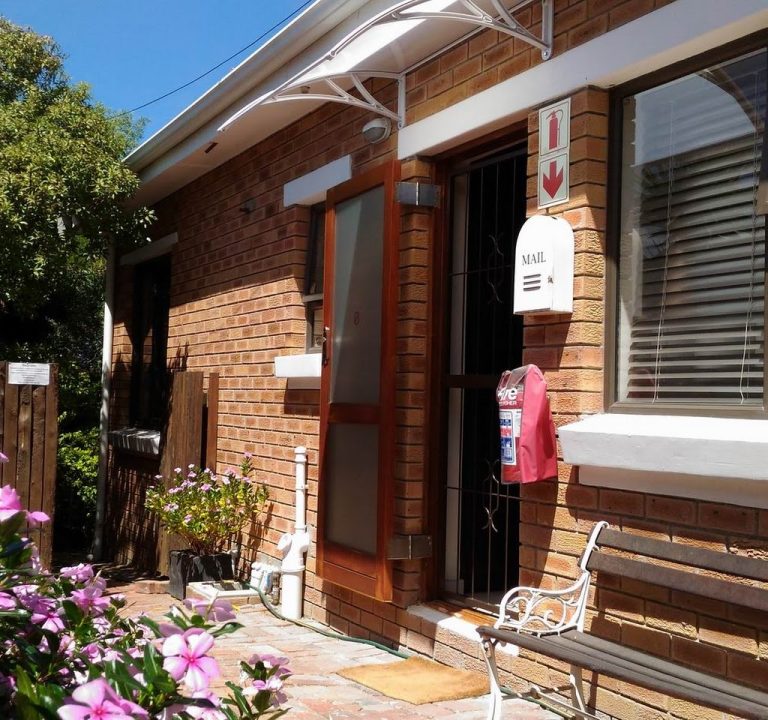
Cape Town: Accommodation, attractions and planning your stay
Cape Town offers a diverse range of places to stay, from intimate guest houses and boutique inns to modern hotels and self‑catering apartments. When planning a visit, consider neighbourhoods that suit your interests and pacing, as well as amenities that will make your stay comfortable. A well‑chosen base can cut travel time, enhance your experiences, and help you feel part of this vibrant city from day one.
Areas to consider include the City Bowl and central Cape Town, where stylish guest houses and boutique hotels blend with historic streets and museums. This hub is ideal for walkers who want to explore on foot, with easy access to top attractions, eateries and cultural sites. The Atlantic Seaboard, from the central waterfront along Sea Point to the glamorous beaches of Camps Bay, is perfect for sunseekers and seaside dining, often offering sea views, al fresco options and a lively nightlife scene. For a quieter, family‑friendly retreat, Constantia valley and the southern coast offer leafy hotels and guest houses, with proximity to wine estates, scenic drives and nature trails. For alternatives with a creative edge, areas such as Woodstock and Observatory provide characterful stays close to markets, independent shops and contemporary cuisine.
When booking, look for practical amenities and features that suit your plan. Consider free WiFi, secure on‑site parking or easy access to public transport, breakfast options, and in‑room conveniences such as a private bathroom, climate control, and reliable hot water. If you are travelling with family, check for family rooms or self‑catering facilities. For couples or business travellers, a quieter room with good soundproofing, a desk area and late‑checkout options can make a difference. If you plan to explore widely, a host’s advice on tailor‑made day trips or local experiences can be invaluable.
Transportation is straightforward but varies by area. The MyCiTi bus network covers many parts of the city and is a convenient option for reaching central attractions and beaches. Uber and other ride‑hailing services are widely available and often quicker for point‑to‑point journeys, especially to coastal areas and major sights. If you are staying in wine country or more suburban districts, renting a car can offer flexibility for scenic drives, hikes and day trips along the Atlantic coast or to the Cape Point reserve. It is worth confirming whether your accommodation provides parking or if street parking is restricted, as this can affect your plans.
Best time to visit Cape Town depends on your priorities. The summer months (roughly October to March) offer longer days, warm weather and beach‑side energy, making it ideal for outdoor activities and waterfront dining. Winter (May to August) is cooler and wetter, but the city’s indoor attractions, markets and culinary scenes remain appealing, often with less crowds. Shoulder seasons can provide a pleasant balance of favourable weather and quieter streets. Be mindful of seasonal winds, such as the famous Cape Doctor, which can influence outdoor activities and sea conditions.
Attractions in Cape Town span natural wonders, history, culture and food. Iconic Table Mountain draws visitors for panoramic views after a cable car ride or a rewarding hike. The nearby Cape Point reserve offers breathtaking coastal scenery and scenic drives, while Kirstenbosch National Botanical Garden presents a premier outdoor setting for walks among indigenous flora. The V&A Waterfront combines shopping, museums and harbour views, and Robben Island offers a moving reminder of the country’s recent past. Coastal regions around the city provide penguin viewing, rugged cliffs and penguin‑friendly beaches, as well as opportunities for boat trips and coastal walks. For a flavour of everyday Cape Town, explore local markets, casual eateries and seafood spots along the coast, where a relaxed approach to dining often pairs well with fresh, seasonal produce and social atmospheres.
When choosing where to eat, look for places that reflect the city’s mix of casual and refined dining. You will find ocean‑front restaurants with seafood specials, bustling market‑style venues with local produce, and small bistros offering dishes rooted in regional flavours. Many establishments prioritise sustainable sourcing and seasonal menus, so meals can be both delicious and responsible choices for your itinerary. If you have special dietary needs, check menus in advance or ask staff about custom options.
Practical tips to help you plan your stay:
- Book accommodation with easy access to your planned activities or with convenient transport links.
- Research nearby attractions and dining options to create a balanced itinerary with downtime for relaxation.
- Pack practical layers for variable weather, especially if you plan early morning or late evening outdoor activity.
- Allow flexibility in your days to accommodate scenic drives, spontaneous markets or wind‑dependent conditions.
- Check cancellation policies and payment terms, particularly for peak seasons or high‑demand properties.
Whether you seek a chic stay in the heart of the city or a peaceful retreat within reach of Cape Town’s dramatic coast, careful planning and a sense of adventure will help you make the most of your visit. With its combination of comfortable accommodation, diverse eateries and world‑class scenery, Cape Town invites guests to experience a rich tapestry of urban life and natural beauty over a memorable stay.