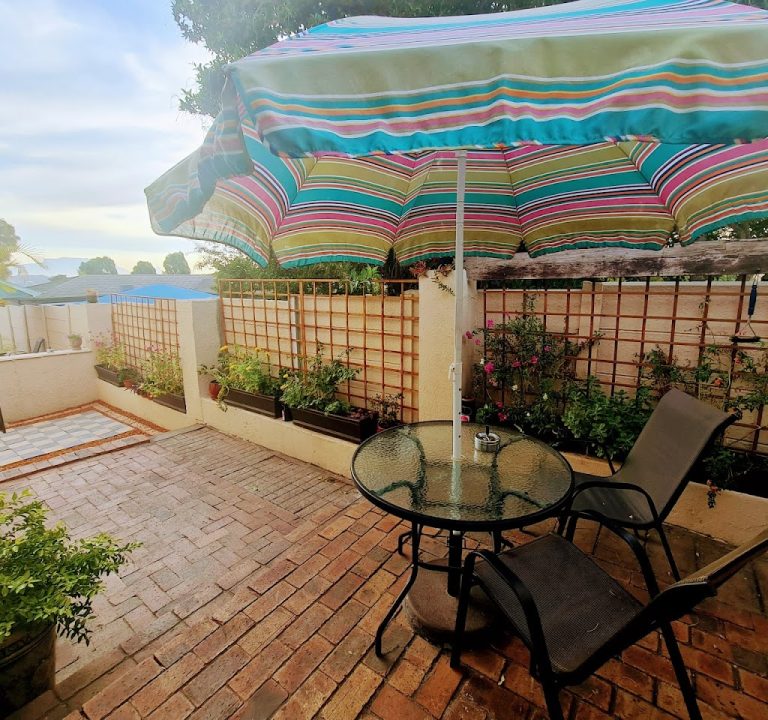
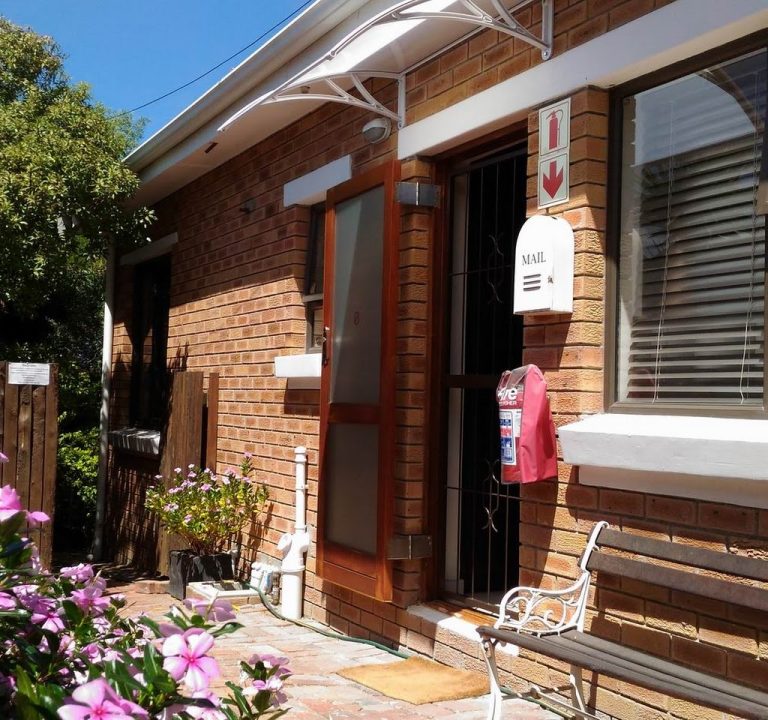
Bottelary Inn is a Bed & breakfast establishment in Cape Town, Western Cape, South Africa
About Bottelary Inn
Situated on the border of Brackenfell and Stellenbosch in Cape Town, Bottelary Inn offers a warm and welcoming stay for travellers seeking a country-in-the-city atmosphere. The guest house is positioned just a short drive from acclaimed Stellenbosch farms, Hazendal, and the scenic Bottelary Hills, an area renowned for its wine farms and dining options. With convenient access to major routes, guests can easily reach central Cape Town, the V&A Waterfront, Grand West Casino, and the iconic Table Mountain, making Bottelary Inn a practical base for exploring the Cape Winelands and the city alike.
At Bottelary Inn, the emphasis is on comfortable, self-catering privacy in a setting that blends homely hospitality with the convenience of modern amenities. The property presents as a self-contained option for those who value a relaxed, self-sufficient stay while still enjoying attentive hosts. The self-catering accommodation is showcased with two main offerings, including a three-bedroom cottage designed to accommodate groups or families who prefer to share living and cooking spaces. The listing highlights pricing by pppn (per person sharing), with rates varying by weekday or weekend stays, and minimum occupancy requirements when booking the cottage. Details for these arrangements are available through the dedicated room page on the Bottelary Inn site.
The interior style leans towards a practical and comfortable setup, suitable for guests who prioritise space and independence. The accommodation is explicitly described as self-catering, reinforcing its suitability for guests who enjoy arranging their own meals and routines. While the precise interiors are not exhaustively catalogued in the overview, the focus on a three-bedroom cottage suggests a family-friendly or group-friendly layout, with communal living areas and kitchen facilities to support longer stays or multi-night visits.
For travellers interested in the wider Cape Town region, Bottelary Inn’s proximity to a variety of local attractions is worth noting. The inn sits near notable wine estates and farm experiences in the Cape Winelands, where rolling vineyards and historic Cape Dutch architecture form a timeless backdrop. The location also positions guests well for day trips to Cape Town’s cosmopolitan waterfront precinct, as well as the surrounding natural landmarks.
The property recognises the practicalities of travel by providing information and guidance through its online resources. Guests can navigate to the Bottelary Inn’s self-catering room details for a clearer sense of what an extended stay can look like, and there are dedicated pages outlining house rules and cancellation policies to help ensure smooth planning and expectations. The booking process is facilitated online, and visitors are encouraged to consult the site for the latest terms and options.
For those seeking an idea of surrounding experiences, the area’s wine-tasting culture stands out as a defining feature of the region. While specific venues are not itemised on the page, the broader context points to the Cape Winelands as a must-visit backdrop for discerning travellers who appreciate scenic landscapes, wine culture, and regional cuisine. The inn also references Cape Town’s famous landmarks and experiences, such as Table Mountain and the V&A Waterfront, as part of the broader travel map that guests might explore during a stay.
Booking and travel tips help navigate a stay at Bottelary Inn with ease. Prospective visitors can review the self-catering accommodation options, including the three-bedroom cottage, and consider how the per-person sharing rates align with group plans and budget. The site points to a cancellation policy, which outlines administration fees and penalties depending on the timing of changes, ensuring guests are aware of potential costs if plans shift. House rules and conditions are available online, offering guidance on safety, conduct, and the practicalities of check-in, amenities use, and quiet hours to maintain a pleasant environment for all guests.
- Ideal for groups or families seeking a self-contained stay with shared living spaces
- Close to wine farms, shopping centres, golf courses, and major routes to Cape Town and the V&A Waterfront
- Self-catering accommodation with clear pricing structures and online booking options
- Practical house rules and cancellation policies available on the website
- Accessible as a base for exploring the Cape Winelands and the Cape Peninsula
Those considering Bottelary Inn can visit the dedicated pages for self-catering accommodation and the three-bedroom cottage for more details, including the room layout and potential occupancy. The website also offers a portal for inquiries and further information via its online resources, including links to social media where guests can catch up on updates and guest experiences. With its friendly relocation from Brackenfell into the heart of a wine-and-scenery corridor, Bottelary Inn presents a practical, relaxed option for travellers who value space, privacy, and proximity to both vineyard experiences and Cape Town’s iconic sights.
Cape Town
Western Cape
7560
South Africa






Exploring Cape Town: Where to stay and what to do for a memorable visit
Cape Town offers a diverse mix of stays, from charmed B&Bs and guesthouses to self-catering cottages and boutique hotels. When planning a stay in the Western Cape, consider the neighbourhoods that suit your rhythm, accessibility and the kind of experiences you want to illuminate during your trip. For visitors seeking a relaxed base near vineyards and leafy suburbs, a property on the edge of Stellenbosch or Brackenfell can be a convenient option, with easy access to the countryside and the city’s iconic sights.
Areas to consider include the city bowl and the V&A Waterfront for easy access to culture, dining and nightlife; coastal neighbourhoods like Camps Bay and Green Point for beaches and promenades; and the Cape Winelands corridor for peaceful scenery and wine country experiences. If you prefer a quieter, residential setting with convenient road links, a guesthouse or self-catering cottage on the outskirts of Cape Town can provide a comfortable balance between city adventures and a restful retreat. When choosing, think about walkability, parking, proximity to MyCiTi or other public transport routes, and your planned daily itinerary.
What to look for when booking matters as much as the setting. Check guest reviews for consistency on cleanliness, reliability of Wi‑Fi, and responsiveness. Confirm the type of accommodation—B&Bs often include a light breakfast and a friendly host presence, while self-catering options provide more space and kitchen facilities for independent dining. It is helpful to know what is included, such as access to shared spaces or private entrances, and any house rules that might affect late check-ins or quiet hours. For stays with family or a group, look for multi-bedroom options or configurations that can accommodate everyone comfortably.
Typical amenities you might encounter include en-suite bathrooms, daily housekeeping or mid-stay cleans, secure parking, free Wi‑Fi, and access to outdoor spaces such as gardens or braai areas. In a wine-country setting, some properties offer terraces or verandahs with views of vineyards or mountains, while others provide lounge spaces, pools, or cosy fireplaces for cooler evenings. If staying in a self-catering unit, a well-equipped kitchen, appliances, and separate living areas can make a big difference to your comfort and schedule.
Transport choices will shape how you structure your days. In Cape Town, self-drive is common, especially when touring the Winelands or coastal routes. Budding explorers may opt for guided day trips or private transfers to save time and reduce parking concerns. Within the city, central locations allow easier walking access to cafés and markets, while suburbs with limited public transport may require a car or a ride-share app. If staying near major routes to the V&A Waterfront, Table Mountain, or Grand West, plan your journeys to avoid peak traffic and to maximise time for sightseeing and dining.
The best time to visit Cape Town depends on your priorities. If you crave coastline and outdoor activities, autumn (March to May) and spring (September to November) offer mild weather and quieter crowds. Winter (June to August) brings cooler conditions and more wind, while summer (December to February) is vibrant with longer days and higher activity levels. Whichever season you choose, it is wise to book in advance for popular periods and to consider any seasonal weather patterns that might influence hiking, beach days, or vineyard tours.
For a sense of place, combining a Cape Town city stay with a winery or farm experience is a popular formula. Visitors often enjoy setting up a base near the winelands to explore the rolling vineyards, historic Cape Dutch buildings, and a calm countryside atmosphere. A stay in or around the Bottelary Inn area, for example, can offer quick access to Stellenbosch farms, wine routes, and the Bottelary Hills, while still remaining within convenient reach of the city’s major sights and coastal scenery. If you are curious about local flavours, plan a day that blends vineyard visits with a coastal outing and a relaxed meal at a nearby restaurant or bistro.
- Book flexible cancellation where possible, so plans can adapt to weather or travel changes.
- Check for self‑catering or breakfast options to suit your daily schedule.
- Consider a stay with easy access to public transport or with parking if you plan to drive.
- Look for outdoor spaces or common areas for socialising or unwinding after day trips.
- Plan a balanced itinerary that includes nature, culture, and dining experiences.
Beyond accommodation, Cape Town offers a wealth of experiences that complement a well-planned stay. Iconic sights such as the city’s vantage points over Table Mountain, a harbour-front stroll, and access to the surrounding Winelands are highlights easily woven into a multi-day itinerary. Dining in Cape Town ranges from casual eateries celebrating fresh seafood and market bites to refined restaurants that showcase South Africa’s diverse flavours. For those seeking relaxation after a day of exploring, many districts boast boutique shops, markets, and cafés that mirror the city’s warm hospitality.
If you are considering a base near vineyards and nature while still being connected to the city’s energy, look for accommodation with good transport links or easy driving routes to key attractions. The right combination of location, comfort, and responsive hosts can turn a stay in Cape Town into a memorable blend of discovery and relaxation. To learn more about a stay in a friendly, well-located guesthouse, including self-catering options and nearby amenities, visit Bottelary Inn’s site for a flavour of how a Cape Town stay can be both convenient and enjoyable. For detailed information about the property and its offerings, you can explore the Bottelary Inn website: http://bottelaryinn.co.za/
Sorry, no records were found. Please adjust your search criteria and try again.
Sorry, unable to load the Maps API.
Why Claim Your Listing?
Claiming your listing on the B&B Finder directory website is a valuable opportunity for business owners. Here are five reasons why you should consider claiming your listings:
Control Over Business Information: By claiming their listing, business owners can ensure that all the information presented is accurate and up-to-date. This includes details such as contact information, address, pricing, and available services or amenities. Accurate information helps prevent customer confusion and improves overall satisfaction.
Enhance the Listing: Once a listing is claimed, owners can enhance it by adding more comprehensive information and rich media, like high-quality photos and videos. These additions can make the listing more attractive and engaging to potential customers, thereby increasing the likelihood of bookings.
Marketing Opportunities: Claiming a listing can also open up additional marketing opportunities. Owners may be able to participate in promotional campaigns, special offers, and other marketing activities organized by the directory. This can increase visibility and attract more customers to the business.