Cape Town: where to stay and how to plan your visit for a memorable stay
Cape Town offers a diverse range of accommodation to suit all travel styles, from intimate inns and guesthouses to boutique hotels and self-catering apartments. When planning a stay, it helps to think about what you want most from your visit—whether it’s easy access to the city’s beaches, dramatic mountain scenery, or a base close to celebrated dining and cultural experiences. A good starting point is to consider the core areas that define the city’s character and practicalities: the City Bowl for bustle and views, the Atlantic Seaboard for beaches and kilometre-long strolls, and the Constantia Valley for tranquillity and wine country nearby.
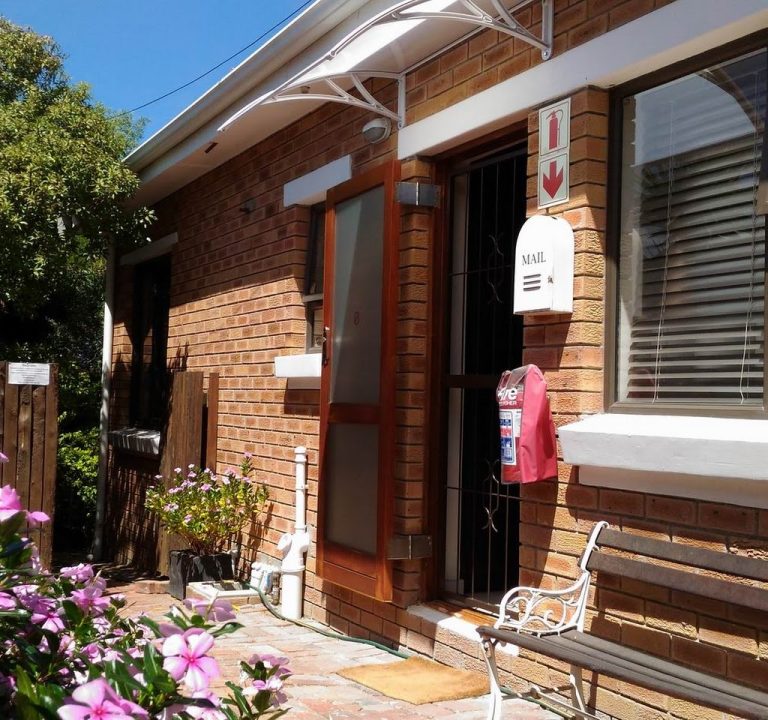
Executive Travelers Inn, an example of the many welcoming inns in the city, sits within convenient reach of central sights and transport links. While researching options, look for a few practical features that make a stay comfortable and simple to organise: a reliable on-site breakfast option or access to a kitchen for self-catering, secure parking or easy street parking, and reliable Wi‑Fi. If you plan day trips, check whether the property offers guidance on local tours or can help arrange transfers or guided excursions.
Accommodation in Cape Town often centres on a few key characteristics. Proximity to the waterfront and the V&A Waterfront typically appeals to visitors, offering a mix of dining, shopping, and evening agendas within easy reach. Beachfront stays along the Atlantic Seaboard deliver spectacular sea views and long promenades, while central City Bowl lodgings provide quick access to galleries, markets, and historic neighbourhoods such as Bo-Kaap. For those seeking a serene escape with outdoor scenery close at hand, Constantia and surrounding valleys offer hillside guesthouses and boutique hotels nestled among vineyards and forested walks.
Typical amenities you might expect include en-suite bathrooms, blackout curtains for restful mornings, and climate control suitable for varied Cape Town weather. Breakfast options vary from continental to full cooked starts, with some properties offering fruit bowls and locally sourced produce. Self-catering apartments may provide well-equipped kitchens, while many guesthouses feature intimate communal spaces, safe parking, and frequently, a small library or lounge with guest information. If you travel with a vehicle, confirm parking policies and accessibility; Cape Town’s hills can be steep, and some properties have limited parking or require prior arrangement.
Getting around is part of the Cape Town experience. The MyCiTi bus network covers major routes between the city centre, the Atlantic Seaboard, and the southern suburbs, while Uber and other ride-hailing apps operate widely. If you plan to explore beyond the city, car hire offers flexibility to visit wine estates, coastal towns, and nature reserves at your own pace. Some areas are best explored on foot, particularly in the compact city centre and the historic districts, so consider a property within a pleasant walking distance to main sights and eateries.
The best time to visit Cape Town depends on what you want from the trip. Summer, from November to February, brings warm days and long coastal evenings, ideal for beach-going and outdoor activities. Autumn (March to May) and spring (September to November) offer milder weather, with fewer crowds and excellent conditions for hiking up Table Mountain or exploring Kirstenbosch Botanical Garden. Winter (June to August) is cooler and occasionally rainy, but provides a different charm, with fewer crowds and opportunities to enjoy indoor culture, markets, and coastal walks when the weather allows.
When planning an itinerary, aim for a balance of outdoor time, cultural experiences, and relaxed meals. Cape Town’s restaurant scene ranges from vibrant casual spots to refined dining rooms, with many venues celebrating local South African produce, seafood, and flavours from the Cape’s diverse cultures. In practice, you’ll often find excellent seafood bistros near the coast, wine-friendly venues in Constantia or the Atlantic Seaboard, and contemporary eateries within short hops of central lodgings. Booking ahead is wise in peak seasons, and many establishments publish seasonal menus and tasting experiences that reflect the city’s regional produce.
Practical planning tips to keep in mind:
- Read recent guest reviews to gauge consistency in service, cleanliness, and location convenience.
- Check what is included in your rate—breakfast, airport transfer, and complimentary Wi‑Fi are common but not universal.
- Clarify parking options and access times if you will be returning late from evening plans.
- Ask about proximity to MyCiTi stops or major routes, especially if you won’t be renting a car.
- Consider safety and access features such as well-lit entrances, secure entry, and non-slip bathroom fittings, particularly if you plan outdoor pursuits.
When you arrive, a flexible plan often works best. Start with a central base to reduce travel time to major sights, then allocate a couple of longer day trips—such as a scenic drive along the coast, a cable-car or hike up a mountain, and a winery visit in a nearby valley. Allow time to stroll markets or neighbourhoods to soak up the city’s character, from the colour and music of historic streets to the aroma of harbour-side eateries. Cape Town rewards those who blend restful accommodation with thoughtful exploration, creating a stay that is as rejuvenating as it is exhilarating.
For further inspiration, consider browsing official tourism resources or property listings that offer detailed neighbourhood guides, transport tips, and sample itineraries. A well-chosen inn or guesthouse can become your home base while you discover diverse experiences—from coastal walks and botanical wonders to cellar-door tastings and vibrant local cuisine—making your Cape Town stay feel distinctly yours.