Accommodation and Planning a Stay in Cape Town: Where to Stay, What to Expect, and What to Do
Cape Town, in the Western Cape of South Africa, offers a diverse range of places to stay, from stylish boutique guest houses and family-run B&Bs to modern hotels and self-catering apartments. When planning a stay, it helps to think about what you want to experience, how you prefer to get around, and which neighbourhoods best align with your itinerary. The city’s dramatic scenery—from Table Mountain to pristine coastline—means your choice of base can shape every day of your visit.
Areas to consider include the City Bowl for easy access to museums, markets, and fine dining; the Atlantic Seaboard for beachside vibes and sunset views; Camps Bay and Clifton for glamour and coastal walks; the Constantia Valley for wine and green spaces; and the southern peninsula for dramatic scenery and penguin colonies. For a more affordable, quieter stay while still being within easy reach of sights, suburbs such as Brackenfell and Plattekloof offer guest houses and self-catering options in residential surroundings. A well-chosen base can cut travel time and help you make the most of early starts and late finishes.
When booking accommodation, consider the following factors. Proximity to your planned activities can save you time and transport costs. If you will rely on public transport, check access to MyCiTi bus stops or rail services, and whether the property is walkable to shops or eateries. If you’ll be renting a car, look for on-site parking or easy street parking. Take note of kitchen facilities if you prefer self-catering, or whether nightly meals are offered on-site. Safety and security are worth checking, especially in certain districts after dark. Many properties in Cape Town provide secure parking, 24-hour reception, or staffed security, which can give extra peace of mind.
Typical amenities you might encounter include free Wi‑Fi, tea and coffee facilities, air conditioning or portable fans, heating, and private or en-suite bathrooms. A stylish lounge or terrace with city or sea views can be a real plus, as can a well-equipped kitchen or access to a shared kitchen. Some properties go further with add-ons such as courtyard spaces, swimming pools, or outdoor seating areas for al fresco meals. It’s also worth confirming whether there are minimum stay requirements during peak seasons and whether breakfast is included, as these details can affect value and convenience.
Planning your transport approach early can streamline your trip. Cape Town’s MyCiTi bus network covers many tourist-friendly routes, and Uber or other rideshare services operate widely. If you plan to explore the Cape Peninsula, a rental car offers flexibility to visit Cape Point, Boulders Beach, and scenic coastal towns. Given traffic in peak periods, it can be practical to group day trips with a single base and use day tours or private transfers for longer journeys. If you’re staying near the central area, you may be able to walk to many attractions, theatres, and restaurants, which reduces the need for constant vehicle use.
The best time to visit Cape Town is broadly from late spring to early autumn (October to March), when the weather is warmer and coastal activities are in full swing. However, spring (August to October) brings colourful blooms and pleasant hiking conditions, while autumn can be milder and quieter. If you’re chasing whale watching, seabird colonies, or specific seasonal experiences, timing your stay with these natural rhythms will enhance your visit. Always check local event calendars for festivals, markets, or exhibitions that may affect crowds and accommodation demand.
Practical tips for a smooth stay:
- Book accommodation with clear policies on cancellation and refunds, especially if your plans may change.
- Review the neighbourhood safety profile and transport options for your chosen dates.
- Pack a universal adaptor, comfortable walking shoes, and sun protection for day trips.
- Use trusted transport options and confirm pickup details in advance when arranging tours or transfers.
- Explain your interests to your host or property manager; many guest houses can tailor recommendations for food, outings, and hidden gems.
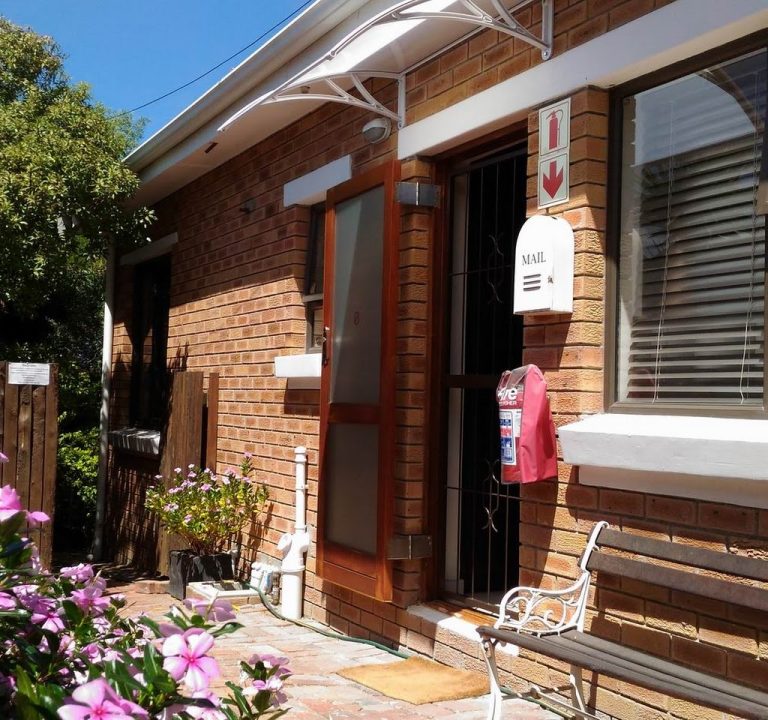
For example, Brackenfell Oppie-Kop Gaste Huis represents one of the many guest-house options travellers can consider in the broader Cape Town area. While central stays are convenient for museums and markets, the outer suburbs offer a calmer pace and easier access to wine routes, nature reserves, and scenic drives. Regardless of where you stay, a well-planned itinerary can balance iconic sights with leisurely meals and time to simply enjoy the views from a terrace or balcony. Websites such as Cape Town Tourism provide practical guides and planning tools to help map your days and reserve suitable accommodation that aligns with your interests.
As you refine your plans, keep in mind the interplay between lodging, dining, and activities. Cape Town’s dining scene ranges from casual markets and family-run eateries to sophisticated restaurants focusing on local ingredients. For a balanced visit, mix scenic viewpoints with cultural experiences, such as historic neighbourhoods, museums, and coastal trails. With thoughtful preparation, your stay in Cape Town can be both comfortable and enriching, offering a memorable blend of natural beauty, urban energy, and culinary delight. For more ideas and inspiration, explore trusted travel resources and local guides to tailor your itinerary to your pace and preferences.