Cape Town Stay: Accommodation, Areas to Consider, and Essential Activities
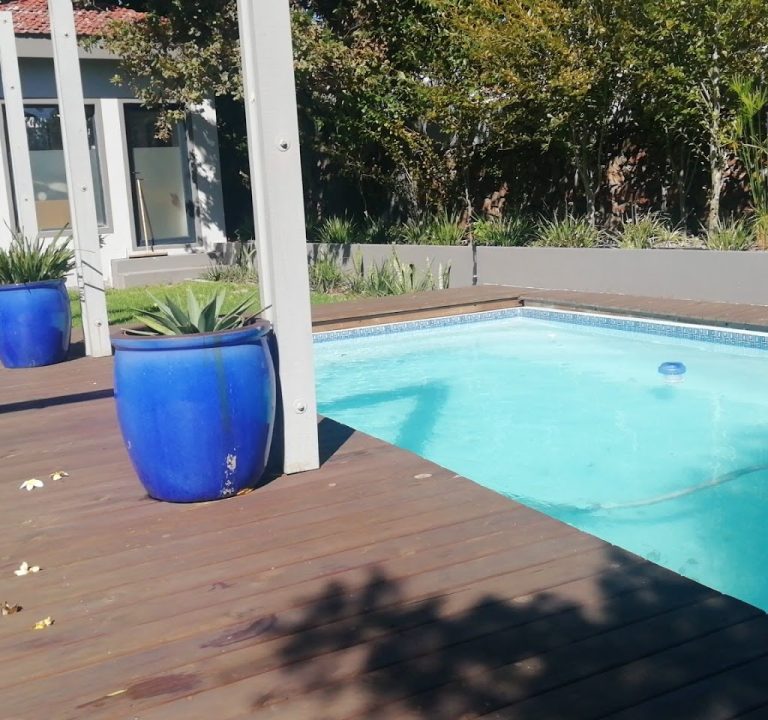
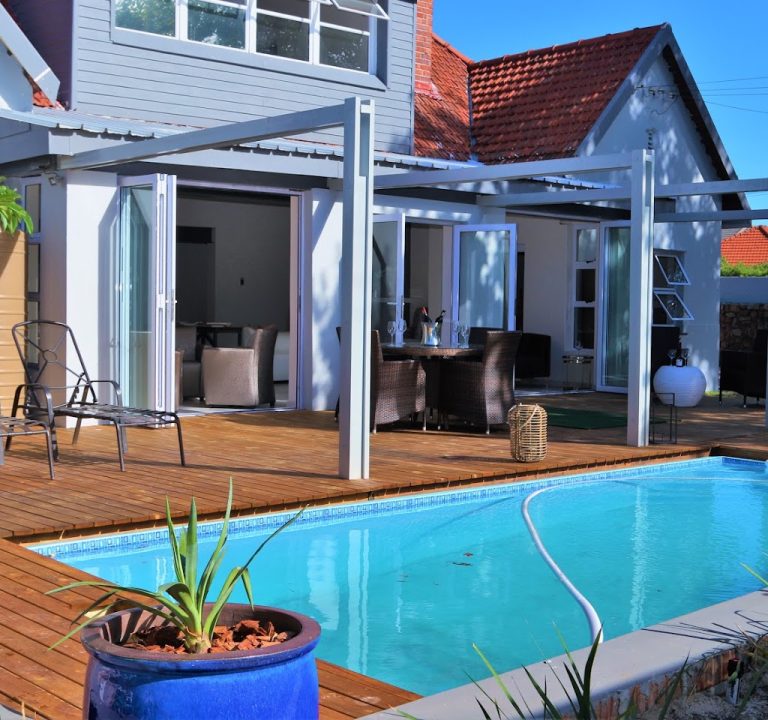
Cape Town, set between the ocean and the iconic Table Mountain, is a destination where a well-chosen base can transform a visit into a seamless blend of culture, scenery and flavour. When selecting a place to stay, think about how you want to move around the city, which neighbourhoods align with your interests, and the kind of hospitality you value. A halal-friendly bed and breakfast such as Yashemah #halal Guesthouse at UniQco Place offers a warm, home-from-home option within easy reach of city sights and the Atlantic coast.
City centre and the City Bowl offer a compact hub for exploring on foot or via short hops. This area puts universal access to urban experiences, markets, and a multitude of eateries within reach. If you prefer a waterfront breeze and lingering views of the harbour, look toward the V&A Waterfront and nearby streets. For beach days and stylish scenery, the Atlantic Seaboard areas of Camps Bay and Clifton provide sand and sunsets, while the inner-city Woodstock and observatory districts offer a blend of creative spaces, trendy eateries and small guesthouses that emphasise character and personal service. The Constantia Valley is ideal for a more relaxed, country-fresh stay with wine routes and top-notch dining within a drive of the city’s coast.
When planning where to stay, consider proximity to your days’ planned activities. If you intend to hike or take the cable car up Table Mountain, a base near the deceivingly steep network of roads around Tamboerskloof, Bo-Kaap, or Tamboerskloof can cut down travel time. If you expect long days exploring the Cape Peninsula or colourful markets, a central location with easy access to major roads and reliable transport is valuable. For parents or travellers seeking additional space or privacy, a family-friendly guesthouse or small boutique hotel with adaptable room layouts can simplify mornings and late nights after days out at the sights.
Typical amenities to look for include reliable Wi-Fi, en-suite bathrooms, secure parking or easy drop-off options, flexible breakfast arrangements, and accessible both for easing dietary requirements and halal-friendly services. If halal meals are important, check whether the property can accommodate halal dietary preferences or offer guidance to nearby restaurants. Some properties, such as specialised guesthouses, advertise halal-friendly hospitality and prayer facilities, which can significantly enhance your stay. Always confirm details with the host or management before booking, especially around meal options and kitchen access.
When it comes to transport, Cape Town’s public options include a rapid transport network, bus routes, and rideshare services. Hiring a car can give you the freedom to explore the Cape Peninsula at your own pace, with notable stops such as Chapman’s Peak Drive, the Cape of Good Hope, and scenic coastal villages a short drive from the city. Alternatively, stay in a well-connected district and rely on rideshare or organised tours for day trips. If you enjoy slow travel, choose areas with walkable streets, easy access to cafés and markets, and a pleasant pedestrian-friendly rhythm.
The best time to visit Cape Town is in the spring and autumn shoulder seasons (roughly September to November and March to May), when the weather is mild and crowds are thinner. Summer (December to February) brings longer days and sea breezes that are perfect for beaches and outdoor adventures, but can be busy, especially around top attractions. Winter (June to August) is cooler and wetter, yet the city’s museums, galleries and cosy eateries stay inviting. For travellers prioritising outdoor activities, plan around the wind and sea conditions, particularly along the Atlantic coast where prevailing winds can affect water-based trips.
Practical tips to make the most of your stay include: booking accommodation with clear cancellation policies and helpful local guidance; asking about local transport options, parking, and safe routes back to your lodging after evening outings; and keeping a flexible itinerary to accommodate weather changes or seasonal events. Always pack adaptable clothing and layers for changing conditions, particularly if you intend to spend time on the coast or in mountainous areas. In areas popular with tourists, you’ll find a range of dine-out options, from casual eateries to more refined restaurants, offering a spectrum of local and international flavours. If you have dietary requirements, make a point of discussing them with hosts or restaurant staff in advance so you can enjoy meals confidently during your stay.
- Areas to consider: City Bowl and central districts for urban access; the V&A Waterfront for harbour views; Camps Bay and the Atlantic Seaboard for beaches; Woodstock and observatory for artistic vibes; Constantia for wine and relaxed pace.
- What to look for: central location, transport access, flexible meal options, halal-friendly services, secure parking, and clear cancellation policies.
- Typical amenities: Wi‑Fi, ensuite bathrooms, air conditioning or heating, breakfast availability, and parking or easy transit access.
For travellers seeking a memorable stay with a home-like feel, Cape Town offers a range of accommodation types that suit different itineraries. Whether you choose a halal-friendly guesthouse such as Yashemah #halal Guesthouse at UniQco Place, a boutique hotel in a bustling district, or a coastal ensuite in Camps Bay, the city rewards visitors with its natural beauty, diverse cultural experiences, and world-class cuisine. Plan thoughtfully, stay flexible, and you’ll uncover a Cape Town itinerary that is not only beautiful, but wonderfully easy to navigate.