Cape Town: Accommodation, Experiences and Practical Planning for Visitors
Coupled with jaw‑dropping scenery and a vibrant cultural scene, Cape Town in the Western Cape offers a wide range of places to stay and a wealth of activities to suit every traveller. Whether you are seeking a boutique stay with urban convenience, a family‑friendly lodge near the coast, or a cosy guesthouse in a leafy neighbourhood, planning ahead helps you make the most of your time in this dynamic city and its surrounds.
When choosing where to base your visit, consider the character of the neighbourhood and your preferred pace. The City Centre and the historic historic districts provide easy access to museums, galleries and a bustle of cafés. The Atlantic Seaboard and Camps Bay offer dramatic sea views and easy beach access, while Green Point and V&A Waterfront areas pair seaside vibes with convenient transport links to the northern suburbs and cape‑side attractions. For leafy wine country escapes a short drive from the city, Constantia and surrounding valleys are ideal for day trips, picnics, and relaxed tastings.
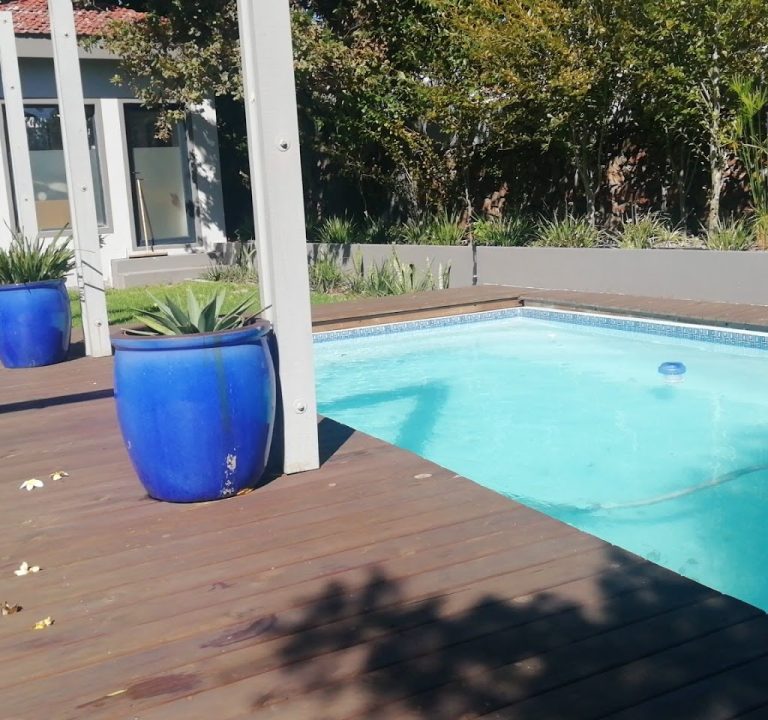
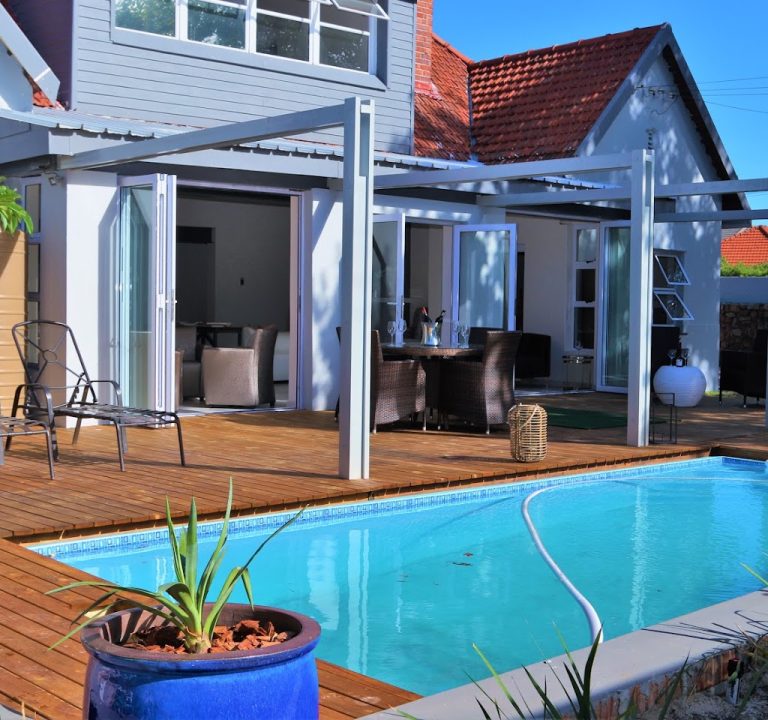
Typical accommodation in Cape Town ranges from intimate guesthouses and mid‑range hotels to boutique lodges and family‑friendly stays. Look for properties that match your priorities: a sea view or balcony, proximity to a MyCiTi bus stop or a railway station, or easy road access for self‑drive explorations. Some travellers prefer a kitchen or kitchenette for longer stays, while others prioritise a strong breakfast offering, secure parking or a small pool after a day of sightseeing. If you are visiting during peak season, early booking is advised to secure the best locations and rates.
Facilities commonly found in Cape Town’s accommodation include free Wi‑Fi, secure on‑site parking, housekeeping, and reception staff who can help tailor daily itineraries. In many guesthouses and boutique stays, you’ll discover a personal touch—local recommendations, help with restaurant bookings, and insights into neighbourhood walks. Consider accessibility needs, too: some historic buildings have stairs or limited luggage access, while newer properties may offer level access and lifts. If you are travelling with children, check for family‑friendly room configurations, cribs, or adjoining rooms.
Transport is a key planning element. Many visitors find renting a car useful for exploring the Cape Peninsula, Cape Point, and nearby wine regions, while the MyCiTi public transport network offers a straightforward way to travel within the city’s central areas and along the Atlantic seaboard. For shorter hops and city sightseeing, taxis or ride‑hailing apps are widely available. If you plan to hike Table Mountain or visit Cape Point, a car is often the most time‑efficient option, though guided tours can be convenient for a focused day without the hassle of parking in busier zones.
The best time to visit Cape Town depends on what you want from your trip. The summer months (roughly November to February) bring longer daylight hours, milder evenings, and excellent beach conditions, ideal for outdoor activities and coastal dining. Spring (September to November) and autumn (March to May) offer comfortable temperatures, good visibility for mountain views, and typically fewer crowds. Winter (June to August) can be cooler and windier, with occasional rain, but it is a fine time to explore museums, markets, and the city’s indoor attractions, often with fewer visitors and lower rates.
Plan to include a mix of natural beauty, urban exploration and local flavour in your itinerary. Iconic viewpoints along the coastline, and the nearby Cape Peninsula routes offer dramatic scenery and photo opportunities. Within the city, you can expect world‑class museums and galleries, vibrant markets, and restaurants ranging from casual cafés to fine dining, often featuring seafood, fresh produce, and influences from across Africa and the Indian Ocean. For a calmer day, consider a visit to the nearby botanical gardens or wine estates where you can stroll the grounds, sample local wines, and enjoy picturesque countryside experiences within an hour or so of the city centre.
To help you plan, here is a practical checklist for your stay:
- Decide on your base based on how you plan to spend your days (coastal relaxation vs. city sightseeing vs. vineyard adventures).
- Check for essential amenities: reliable Wi‑Fi, parking (if you drive), breakfast options, and accessibility features if needed.
- Assess access to transport: distance to major hubs, easy bus routes, and proximity to a hire car pickup if required.
- Consider weather and seasonal activities: sea swimming in summer, hiking and garden visits in spring/fall, and museums in winter.
- Plan a balanced itinerary with one or two full day trips (Peninsula route, wine valleys) plus time to explore local markets, cafés and restaurants.
In terms of dining and experiences, Cape Town offers a spectrum of options. Expect fresh seafood, Mediterranean influences, and global flavours shaped by a cosmopolitan city and nearby agriculture. Markets, casual bistros, and stylish dining rooms sit alongside iconic coastal eateries with views across the bay. If you are seeking a memorable day, consider a self‑guided coastal drive or a guided tour that highlights wildlife viewpoints, historic neighbourhoods and the natural beauty of Table Mountain by day and the city’s culinary scene by night.
Finally, practical tips to ensure a smooth stay: plan for safe storage of valuables, be mindful of peak traffic times when planning day trips, and factor in a little flexibility for weather changes. Always check property policies on cancellation and meal provisions, especially during shoulder seasons when room turnover can be higher. With thoughtful planning and an eye for local experiences, your Cape Town stay can be as relaxed or as adventurous as you wish, with comfortable accommodation serving as the perfect base for your Western Cape explorations.