Accommodation and Experiences in Cape Town: Where to Stay, What to Do, and How to Plan
Cape Town, in the Western Cape, offers a diverse tapestry of places to lay your head and things to do. From sunlit harbour walks to hilltop views and neighbourhood cafés, the city is best experienced by choosing the right base for your stay. A guest house like Pamba On 131 can provide a restful home-from-home feel within reach of several neighbourhoods, while hotels and self-catering options cater to a range of favours and budgets. When planning, consider how you want to divide your days between sights, dining, and downtime, and pick a district that aligns with your pace and interests.
Areas to consider for your Cape Town stay include:
- City Bowl and the Central City – convenient for museums, galleries, eateries, and easy access to tours and ferries.
- Atlantic Seaboard (Sea Point, Bantry Bay, Clifton, and Camps Bay) – fashionably scenic with beaches, sea breezes, and quick routes to the west coast and wine regions.
- V&A Waterfront – iconic harbour views, shopping, and a short hop to Robben Island and Table Mountain from nearby cable car bases.
- Constantia and the Southern Suburbs – leafy, relaxed streets, wine estates, and easy access to hiking trails and BnB-style stays.
- Bo-Kaap and Green Point – compact charm, cultural history, and proximity to green spaces and eateries.
What to look for when booking your accommodation in Cape Town:
- Location relative to planned activities. If your days involve a lot of Table Mountain, Cape Point, or Kirstenbosch adventures, a central or near-water location can reduce travel time.
- Type of stay. Guest houses and B&Bs offer a more personal touch and breakfast options, while hotels and self-catering apartments provide predictable services and flexibility.
- Amenities that matter to you. Look for free Wi‑Fi, secure parking, self-catering facilities, laundry access, and easy access to public transport or ridesharing.
- Reception and staff accessibility. Check how assistance is provided, whether staff are on site, and what the check-in procedures are.
- Reviews and reliability. Read recent guest feedback for cleanliness, comfort, and accuracy of listings.
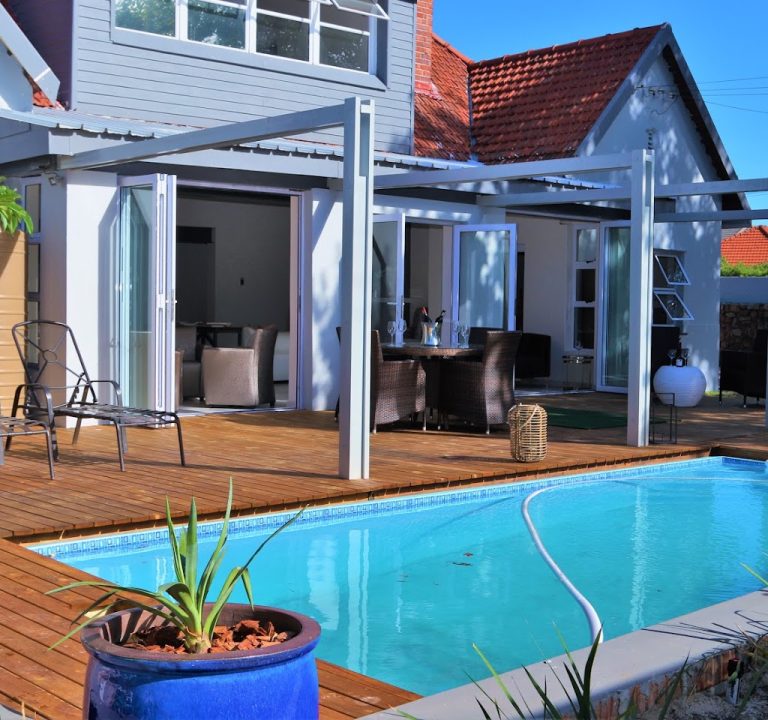
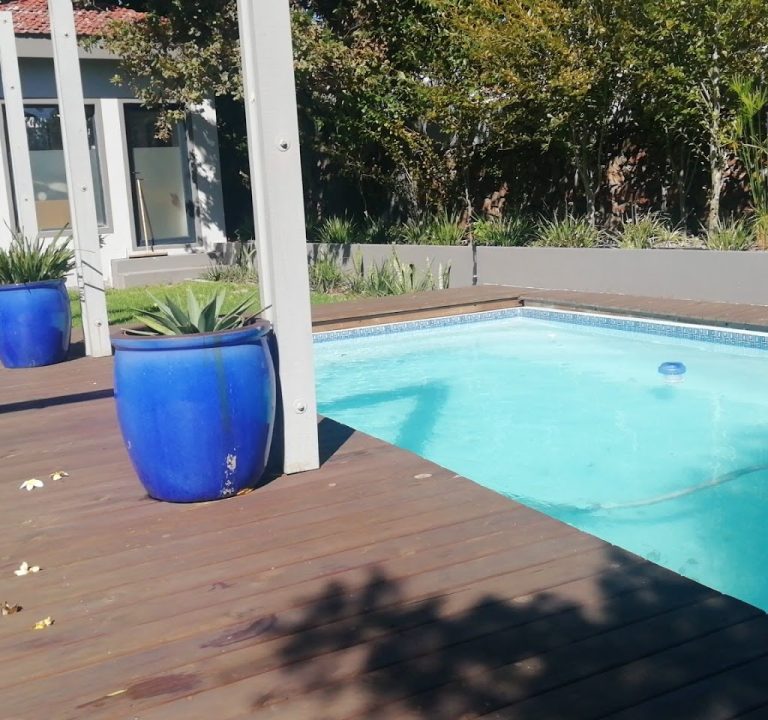
Typical amenities you might encounter include comfortable bedrooms with en-suite or shared bathrooms, complimentary breakfast, tea and coffee stations, and climate control. Some properties offer private terraces, garden spaces, or pool access. In many Cape Town stays, free Wi‑Fi is standard, with parking either on-site or nearby. If you’re travelling with family or a group, look for larger suites or flexible configurations, such as interconnecting rooms or self-catering facilities.
Transport and getting around: Cape Town is well-served by a mix of car hire, taxis, and ridesharing. The city operates a reputable public transport network in the form of bus services (including the MyCiTi network) that connect major routes, while many guest houses and hotels offer shuttle options or can assist with car hire. If you plan day trips to the Cape Peninsula, wine regions, or nature reserves, renting a car provides the most flexibility, though guided tours are widely available and often include collecting you from your accommodation.
Best time to visit Cape Town varies with interests. The summer months (late November to March) bring warm, sunny days ideal for beaches and outdoor activities, while spring (September to November) offers blooming gardens and milder weather. Autumn (March to May) and winter (June to August) are cooler and can be brilliant for fewer crowds and dramatic coastal scenery, though some outdoor attractions operate on reduced schedules. If you’re aiming to see whale activity, plan for the late winter to spring period along the False Bay coastline.
Practical tips to help you plan a smooth stay:
- Book early for peak seasons, especially if you’re visiting over holidays or long weekends. Cape Town is a popular gateway city, and rooms can fill quickly.
- Pre-arrange airport transfers or understand your pick-up options, so your arrival is seamless after a long flight.
- Check safety and accessibility at your chosen area. Some parts of the city offer quieter night-time surroundings, while others buzz with nightlife; choose a base that aligns with your comfort level.
- Ask about security features, such as controlled access, well-lit entrances, and on-site staff availability.
- Plan day trips with a backup plan for weather. Cape Town’s landscapes are spectacular in sunshine and dramatic during storms, so have indoor options such as museums or cafés in your itinerary.
Must-visit experiences and broad recommendations for all visitors include taking a cable car or long scenic walk to enjoy panoramic views of the city and surrounding peaks, exploring the historic districts with their mosaic of cultures, and sampling a range of cuisines at casual bistros and refined restaurants. In terms of activities, tourists typically enjoy beaches along the Atlantic Seaboard, coastal walks, botanical gardens, and harbour-based tours that showcase the region’s maritime heritage. For those seeking culinary variety, Cape Town offers a range of eateries from casual cafés to modern dining rooms, often anchored by fresh seafood, farm-to-table ingredients, and influences from diverse cultures.
For inspiration and planning resources, consider consulting official tourism information and visiting Cape Town’s official site to understand current openings, hours, and seasonal offerings. Pamba On 131, as a guest house option, can provide a cosy base within a welcoming neighbourhood, with staff ready to share local tips and practical considerations for a memorable stay. With careful planning, your Cape Town stay can balance restful accommodation, easy access to attractions, and memorable dining experiences, making the most of this vibrant South African city.
Explore more about Cape Town and plan your stay at Cape Town tourism for up-to-date ideas, routes, and tips to tailor your visit to your interests and timetable.