Accommodation and experiences in Cape Town: planning your stay and making the most of the Western Cape
Cape Town offers a diverse mix of guest houses, boutique hotels, lodges and self‑catering apartments that suit a range of travel styles and budgets. When planning a visit, think about what you want to see and how you want to experience the city. Do you prefer the buzz of the city centre, the beaches of the Atlantic Seaboard, or the quiet of leafy Constantia? The right base makes day trips and evenings out smoother and more enjoyable.
Areas to consider when choosing where to stay include:
- City Bowl and the central Foreshore for easy access to museums, galleries, nightlife and a wide choice of eateries.
- Atlantic Seaboard (-sections such as Sea Point, Green Point, Bloubergstrand, and Camps Bay) for ocean views, long beaches, and a cosmopolitan dining scene.
- V&A Waterfront precinct for a compact, walkable hub with harbour-side charm and convenient transport links.
- Southern Suburbs and Constantia for a quieter, greener stay with proximity to renowned wine estates and scenic drives.
- Bo-Kaap and the city fringe for historic charm, colourful streets and easy access to local markets and cafés.
When booking, look for several practical amenities that will smooth a stay in Cape Town. A comfortable bed and good insulation for cooler evenings are important, given the varied climate. Wi‑Fi is essential for planning day trips, and often for checking ferry schedules, weather forecasts, or last‑minute restaurant reservations. Breakfast included can save time in busy mornings, while on-site parking is a real plus in busy districts where street parking can be scarce. If you plan to explore beyond the peninsula, ask about shuttle services or partnerships with reputable tour operators.
Think about transport during your stay. Cape Town is relatively compact in the city bowl, but the surrounding areas require either a car or reliable local transport. The MyCiTi bus network is a straightforward way to travel between major hubs, while ride‑hailing and car‑sharing services are common choices for evenings out or day trips to Cape Point, Boulders Beach, or the Constantia wine route. If you enjoy scenic drives, consider a short hop to the Atlantic coast for spectacular coastal views and photo opportunities. Many guest houses can arrange trusted transfers or can advise on public transport options.
The best time to visit Cape Town depends on what you want from your trip. The summer months (roughly November to February) are warm and ideal for beach days and outdoor adventures like hiking Table Mountain or exploring coastal towns. Spring (September and October) and autumn (March to May) offer milder weather, fewer crowds, and often more comfortable conditions for long walks, wine tastings, and city sightseeing. Winter (June to August) brings cooler, wetter weather, which can be perfect for museums, galleries, markets, and indoor dining experiences. If you’re chasing superb sea colours and windy beaches, plan for late winter to early spring when the Atlantic coast can be at its dramatic best.
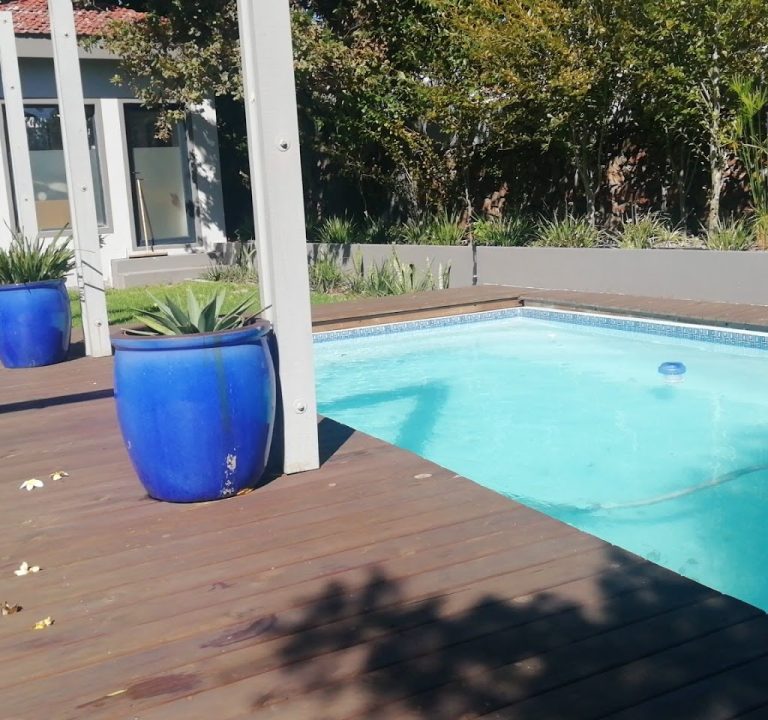
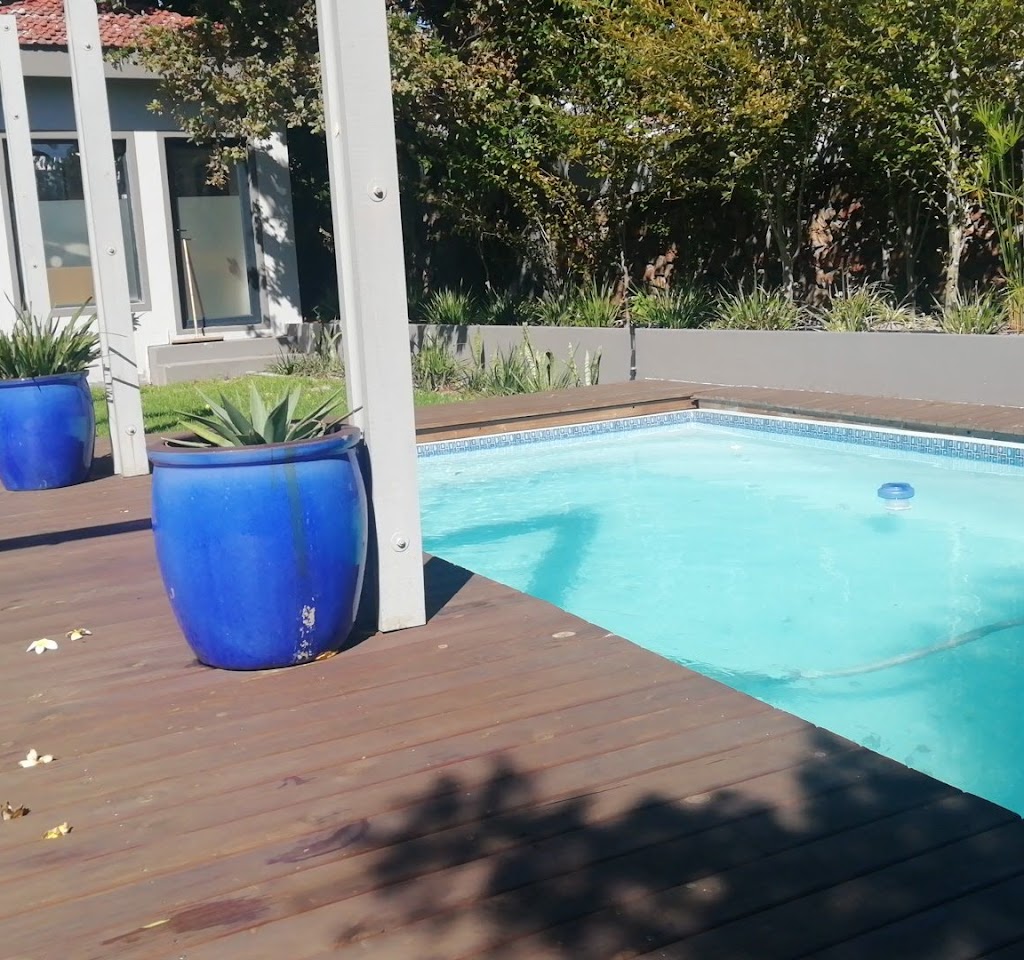
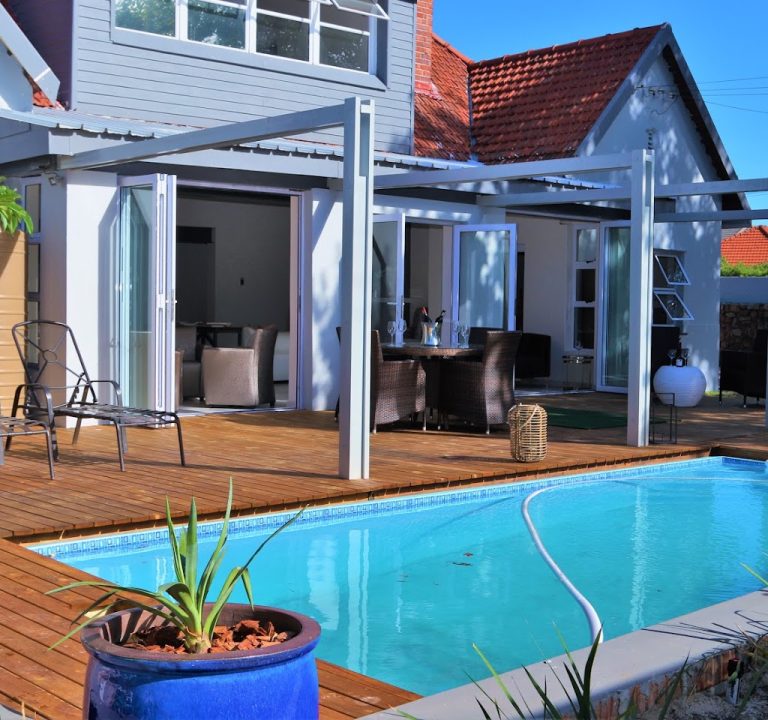
Accommodation in Cape Town typically ranges from characterful guest houses with personalised service to modern hotels with high-end facilities. Expect a mix of stylish rooms, en‑suite bathrooms, and thoughtful touches such as daily housekeeping, high‑quality linens, and tea and coffee provisions. Many properties offer flexible room configurations, from compact doubles to family suites, and some provide self‑catering options or common lounges and outdoor spaces. A pool or braai (barbecue) area is a common perk in guest houses and lodges, especially in hillside or suburban settings with views. For those seeking culinary convenience, some places boast in‑house breakfast rooms or easy access to a curated selection of nearby eateries and markets.
Dining and experiences in Cape Town often linger beyond breakfast. The city is renowned for its diverse food scene, ranging from cafés with strong coffee culture to fine‑dining restaurants that celebrate seasonal produce. Look for guest houses that can help you reserve tables or suggest neighbourhood gems where you can sample local flavours. While specific restaurant names and price points vary, you can expect a mix of contemporary fusion, coastal seafood, and traditional South African dishes, with many venues emphasising sustainability and local sourcing. For tailored experiences, inquire about guided walks, harbour cruises, or township visits organised through reputable operators. General guidance from your host or concierge can help you plan a day that blends nature, culture and cuisine.
Useful practical tips for a smooth stay:
- Book well in advance for peak seasons (summer and school holidays) and aim to confirm cancellation terms that suit your travel plans.
- Check the proximity to your planned activities—Table Mountain access, beaches, markets, and transport hubs can save you time.
- Prepare for variable weather: layers are handy, even on sunny days, as coastal winds can be brisk.
- Respect local safety guidance, particularly when exploring outdoor areas and coastal paths after dusk.
- Consider a day trip plan that includes a wine estate or nature reserve to balance city exploration with scenery and relaxation.
For a stay that feels thoughtful and well‑placed to explore Cape Town, consider a guest house or boutique hotel that offers a welcoming atmosphere, practical amenities, and helpful local insights. If you wish to browse options or learn more about areas, you can visit official tourism resources for Cape Town and the Western Cape, which provide practical planning tips, transport guidance, and suggested itineraries. For specific properties like Nia on 131, a guest house with a focus on guest comfort and personalised service, check the property’s official page or reputable booking platforms to confirm room configurations, facilities, and any seasonal offers.