Wolf House: Accommodation and travel guide for Cape Town, Western Cape
Cape Town offers a kaleidoscope of places to stay, from intimate bed & breakfasts to stylish guesthouses and upmarket boutique hotels. When planning a stay centred on a place like Wolf House, it helps to think about which neighbourhoods align with your priorities, whether you’re chasing dramatic coastal views, easy access to attractions, or a quiet, leafy retreat close to wine routes. The following guidance aims to help you choose a base, understand what to look for when booking, and make the most of your time in and around the city.
Areas to consider include the City Bowl for characterful streets, proximity to museums and the harbour, and a vibrant dining scene. The Atlantic Seaboard and Camps Bay offer postcard-worthy beaches and sunset vistas, while Constantia and the neighbouring Winelands are ideal for slower days among hillside estates and terrace dining. If you prefer a multicultural atmosphere with cobbled lanes and colour, the Bo-Kaap area can add a cultural dimension to your stay. Each neighbourhood has its own rhythm, so think about how you plan to move around and what kind of mornings you want—sunrise over the ocean, or a bistro breakfast within short walking distance.
Typical amenities in well-run guesthouses and B&Bs in Cape Town range from private ensuite bathrooms and delicious breakfasts to access to common lounges, gardens, and sometimes pools. Many properties offer free Wi‑Fi, secure parking or easy access to public transport, and helpful front-desk information about local experiences. When booking, consider what matters most to you: a dedicated host with local tips, convenient breakfast service, a kitchen or self-catering options, or a peaceful room with blackout shutters for restful nights after busy days exploring the city and its surroundings.
Transport is a practical consideration. The city’s hilly terrain and wide coastal distances mean that a car can be a convenient option for exploring beyond the immediate neighbourhood. However, well-located accommodations often have good access to MyCiTi buses, Uber, or taxi services, making day trips to the Winelands, Kirstenbosch, Table Mountain, or the V&A Waterfront straightforward. If you plan to hike Table Mountain or visit protected areas, check if your stay includes parking and how easy it is to start your day from your base. For short breaks in the heart of town, staying within walking distance of cafés, markets, and museums can add a relaxed rhythm to your itinerary.
Timing your visit can influence crowds and prices. Spring (September to November) and autumn (March to May) are shoulder seasons with pleasant temperatures and fewer tourists, offering calmer days for sightseeing and outdoor meals. Summer brings longer days and beaches, but sometimes heavier traffic and peak rates in popular areas. Winter in Cape Town is mild by many standards, though some days can be cooler and windier along the Atlantic coast. If you’re drawn to outdoor experiences such as coastal walks, winelands excursions, or garden routes, plan with daylight hours in mind and allow time for seasonal variations in weather and access to certain routes.
What to look for when booking a stay to suit a city-and-sea itinerary:
- Accessibility to your planned activities, whether it’s markets, beach walks, or hiking trails.
- Desk or work-friendly spaces if you’ll need to combine business with leisure.
- Private or shared facilities, including whether breakfast is included and if there are self-catering options.
- Room layout and comfort, such as a comfortable bed, good natural light, sound insulation, and privacy.
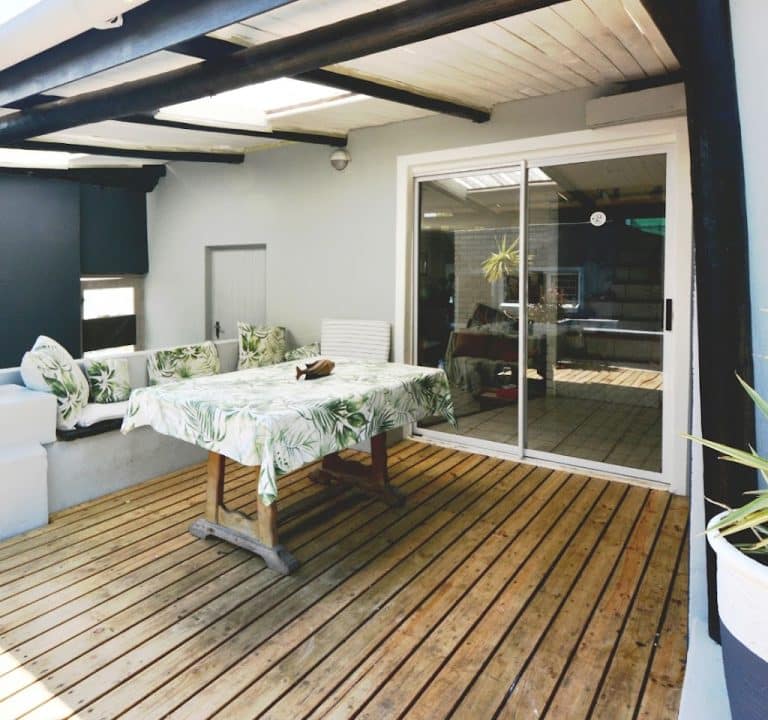
- Outdoor spaces like a balcony, sun terrace, or garden to enjoy the Cape Town climate.
- Parking arrangements and relationships to nearby public transport.
- Host or service quality, including local dining recommendations and practical tips for navigating the city safely.
Restaurants and experiences tend to mirror the city’s diverse palate. You’ll find a spectrum from casual cafés offering hearty breakfasts to elegant eateries focused on seasonal produce and seafood. In broader terms, expect a strong emphasis on fresh ingredients, seafood from nearby shores, and Latin-tinged or African-influenced menus in many establishments. Whether you’re seeking a laid-back brunch, a waterfront dining experience, or an intimate tasting menu, Cape Town presents ample opportunities to pair meals with dramatic views and friendly service. Local guides and guesthouses often have up-to-date recommendations for must-visit markets, sunset spots, and family-friendly days out, helping you balance iconic sights with less-trodden paths.
To make the most of your stay, it helps to plan a balanced itinerary: a couple of days dedicated to iconic sights, a full day or two for coastal drives or wine country, and a few evenings reserved for neighbourhood favourites close to your accommodation. Consider a light, flexible schedule that allows time for spontaneous discoveries—whether that means a hidden courtyard café, a crafts market, or a coastal lookout with sweeping views of the Atlantic. And remember practicalities such as sun protection, hydration, and sensible footwear for hilly streets and rocky paths—Cape Town rewards curve-busting explorations with rewarding views, no matter your pace.
If you’re looking to pair your stay at Wolf House with tailored local experiences, many accommodation providers offer curated recommendations or partnerships with guides for hiking, coastal walks, wine tours, and township-cultural encounters. Booking ahead for popular experiences, especially in peak seasons, helps ensure you don’t miss out on the activities that interest you most. For more inspiration, regional tourism websites and the hosts’ own pages can point you to a range of options that fit your travel style, from scenic day trips to immersive city experiences.