Accommodation and Attractions in Cape Town, Western Cape
Cape Town offers a remarkable mix of住宿 choices, from elegant hotels and boutique guesthouses to self‑catering apartments and hillside lodges. When planning a stay, start by choosing which part of the city best suits your interests and pace: the vibrant urban energy of the City Bowl, the sun‑soaked beaches and dramatic cliffs along the Atlantic Seaboard, or the green, wine‑land vibe of Constantia and the southern reaches of the Cape Flats. Each area brings its own rhythm, scenery and access to key sights, making it easy to tailor a trip around whether you want iconic views, relaxed beaches, or cultural immersion.
In terms of booking considerations, look for properties that offer the essentials you value most: reliable Wi‑Fi and workspaces if you need to stay connected, a comfortable bed, adequate heating or cooling for Cape Town’s microclimates, and convenient access to public transport. If you’re driving, check on-site parking and proximity to main routes. For those prioritising scenery, many hotels and guesthouses advertise rooms with balcony or terrace views over the Atlantic Ocean, Table Mountain, or the harbour. For families or groups, serviced apartments with a kitchenette can simplify meals and budgeting during a longer stay.
Typical amenities to expect include en‑suite bathrooms, housekeeping, secure parking, and complimentary breakfasts or light meals. Boutique hotels and guesthouses often feature personalised service, locally sourced decor, and intimate common spaces. In popular neighbourhoods, properties may arrange airport transfers, guided walks, or in‑house recommendations for restaurants, cafes and day trips. When booking, read recent guest reviews for practical details such as noise levels, accessibility, and the reliability of elevator access or stair sizes in older buildings.
Transport around Cape Town is straightforward, though it helps to plan ahead. The MyCiTi bus network covers many central routes and tourist hubs, while MyCity and train services connect to the southern suburbs and beyond. Rideshare apps are widely used and convenient for evening dinners or short trips to the V&A Waterfront and the inner city. If you’re exploring the Winelands or Cape Point, consider a guided day tour or a rental car for flexible travel. For scenery lovers, mornings are often best for viewpoints and hiking, when the light is soft on the mountains and the ocean.
Best time to visit Cape Town depends on what you are hoping to do. The city enjoys a Mediterranean climate with warm, dry summers (roughly September to April) and cooler, wetter winters (May to August). Summer brings coastal heat and longer beach days, while spring and autumn offer pleasant temperatures with fewer crowds at popular sights. Springtime flowers along the Cape’s green belts are a highlight, and winter can be ideal for museum visits and indoor experiences, with the coast occasionally experiencing dramatic swells and moody skies. Regardless of season, layering is prudent, as conditions can change quickly from sun‑drenched to breezy in a matter of hours.
When planning a broader itinerary, consider a mix of activities: a cable‑car journey or guided walk up Table Mountain for panoramic city and sea views; a visit to the V&A Waterfront for shops and markets; a day trip to Cape Point and the Cape of Good Hope for dramatic coastal scenery; and a stroll through Kirstenbosch National Botanical Garden to enjoy Cape flora. Cultural experiences include exploring the colourful Bo‑Kaap neighbourhood, discovering Cape Town’s modern art scene, and touring historic sites that reflect the city’s diverse heritage. For a relaxed day, enjoy a seaside stroll along the Atlantic Seaboard or a food‑and‑wine excursion in nearby Stellenbosch or Constantia.
When it comes to dining, Cape Town’s restaurant scene ranges from casual cafés and seafood shacks to fine dining that emphasises farm‑to‑table ingredients. Many establishments focus on seasonal produce and sustainable sourcing, with menus that reflect the Cape’s coastal bounty and winelands terroir. If you are visiting with family or friends, look for places offering shared plates or tasting menus that accommodate different tastes and budgets. For a flavourful evening, pair a meal with a locally produced wine, and leave room for a sweet French or Cape Malay influence that you might find in desserts or pastries.
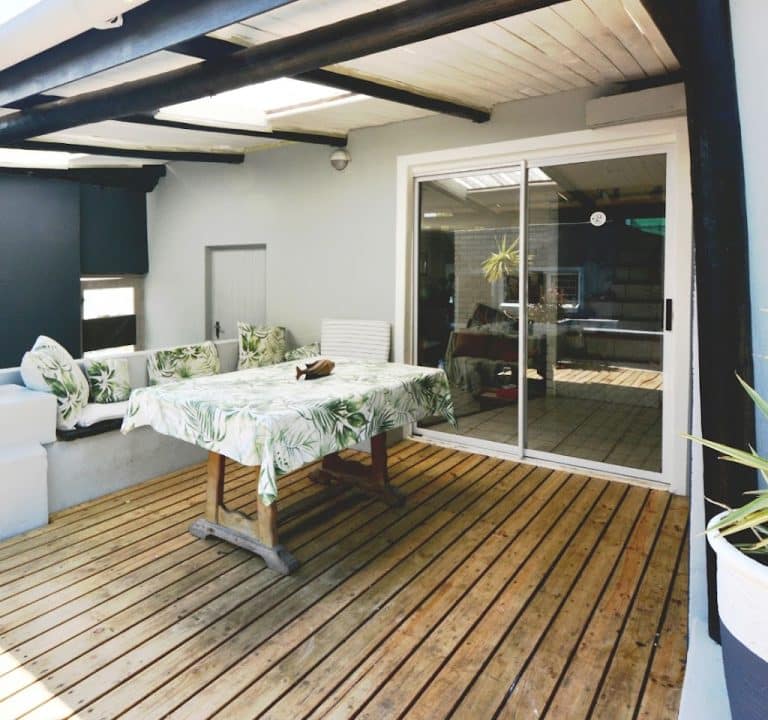
If you are considering accommodation in Cape Town, boutique options such as Villa Nerina illustrate the range of stay experiences available. These properties often offer intimate settings, personalised service and stylish interiors, making them a good fit for travellers seeking character alongside comfort. As you select a base, use a trusted official or tourism site to compare neighbourhoods, read guest feedback, and confirm practical details such as breakfast arrangements and accessibility. For ongoing inspiration and practical planning tips, you can explore resources at Cape Town’s official tourism portals and related travel guides.
Practical planning tips at a glance:
- Pack for variable weather: layers, a light waterproof, and sun protection.
- Book well in advance for peak seasons, especially December to February and over long weekends.
- Choose accommodation with easy access to reliable transport or parking if you plan day trips.
- Check for on‑site amenities you value most, such as a pool, a balcony with a view, or a kitchenette.
- Consider a mix of experiences: natural beauty, cultural sites, and a few standout restaurants.
For more ideas and practical details on planning a stay in Cape Town, visit the city’s official tourism pages and trusted travel guides. Whether you are drawn to dramatic coastal scenery, gourmet dining, or a comfortable base for exploring the Winelands, Cape Town offers a rich tapestry of options to suit a diverse range of travellers. Cape Town tourism can be a helpful starting point to tailor an itinerary that fits your interests and budget.