Accommodation and Beyond: Planning a Stay in Cape Town, Western Cape
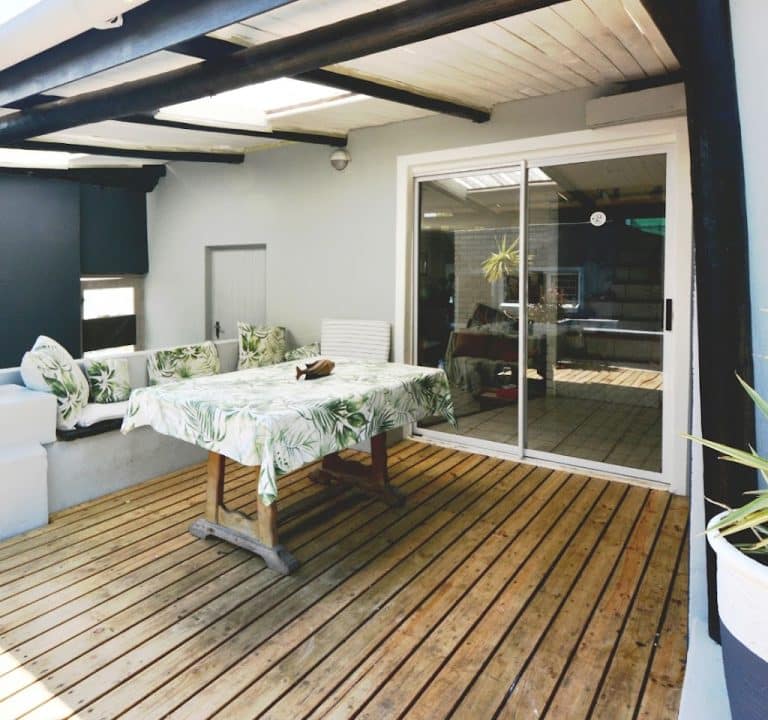
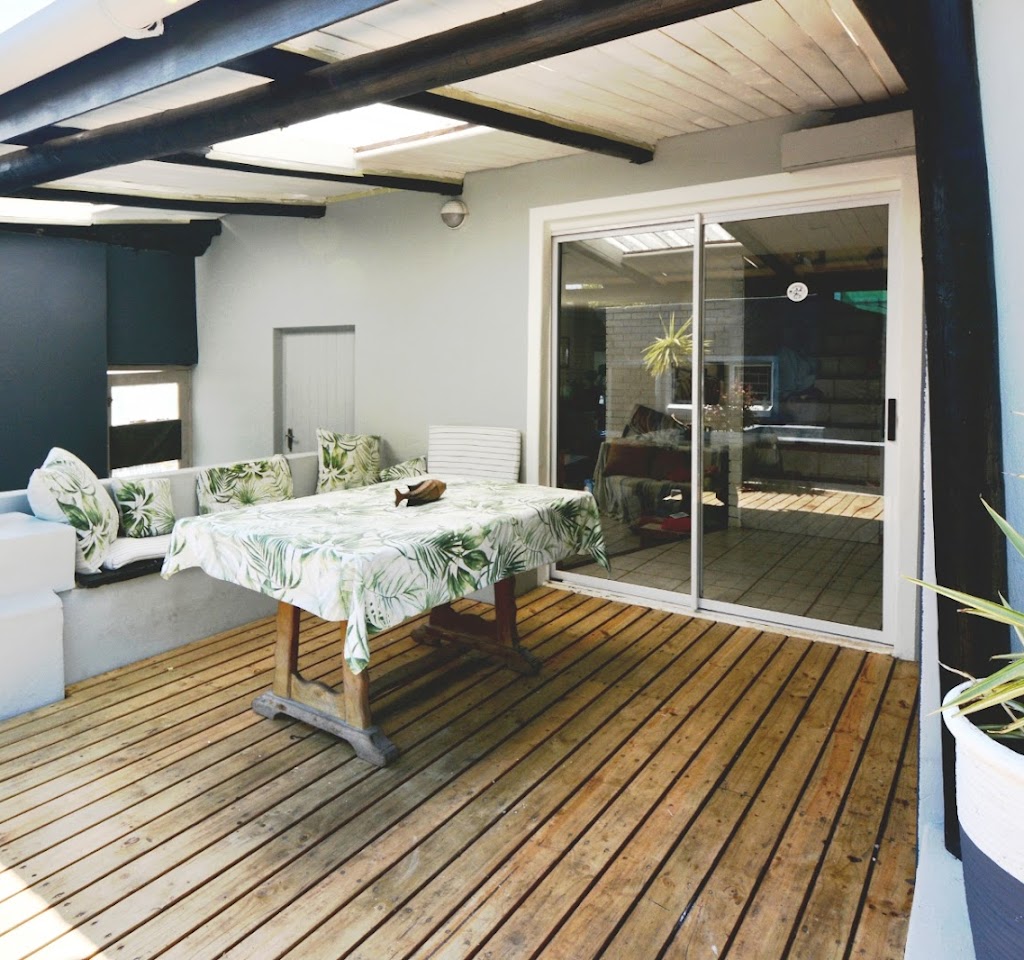
Cape Town is a destination of remarkable contrasts, where mountains meet the sea and pine-scented valleys sit alongside vibrant urban life. When planning a stay, it helps to think in terms of neighbourhoods, transport convenience, and that elusive balance between views, atmosphere and practicality. From boutique B&Bs to family-friendly lodges and seaside escapes such as a Seaside holiday home in Kommetjie, the city offers lodging that can suit every travel style and budget.
Areas to consider include the iconic Atlantic Seaboard and the Western Seaboard for coastal scenery and easy access to beaches and dining, the fertile Constantia Valley for wine-toched escapes and tranquil suburbs, and the historic city bowl for proximity to museums, markets and nightlife. For a more relaxed family break, the Southern Suburbs and the Cape Winelands region a short drive away provide leafy streets, larger rooms and convenient parking. When choosing where to stay, think about access to public transport or reliable hire cars, as some attractions are spread across the region and traffic can be challenging at peak times.
Typical accommodation options in Cape Town range from stylish guesthouses and small hotels to self-catering apartments and lodges. Look for characteristics that enhance your stay: a welcoming communal area, secure parking, good Wi‑Fi, household basics, and a clear housekeeping schedule. If you value views, many properties offer balconies or sun decks with ocean or mountain panoramas. For families or groups, multi-bedroom units with a kitchenette or a dining area can provide practical self-catering flexibility. If you prefer a more personalised stay, a boutique guesthouse often combines individual décor with thoughtful service and local recommendations.
In terms of amenities, consider whether you need a kitchen or kitchenette, laundry facilities, and inclusions such as breakfast, transfers, or guided experiences. Many venues will offer on-site parking, which can be a major convenience given Cape Town’s sometimes congested streets. For longer stays, a self-catering option can help you manage your budget and mealtimes, while a hotel or B&B with breakfast included offers a simple start to the day before exploring the city’s diverse scenes.
Transport is an important planning element. The city’s geography means that some attractions are clustered, while others are a short drive away. If you will rely on public transport, check proximity to MyCiTi bus stops or rail links, and be aware that peak hours can affect travel times. If you plan to explore the Cape Peninsula or the Winelands, consider renting a car or arranging a guided day trip. For shorter hops, Uber and traditional taxis are commonly available, though doing a little planning around travel times can save waiting periods and help you make the most of your day.
The best time to visit Cape Town depends on your priorities. Summer (December to February) brings warm weather and long days ideal for beaches and outdoor activities, but it is also peak tourist season. Autumn (March to May) offers pleasant temperatures and quieter streets, with the added charm of colour-rich landscapes. Winter (June to August) is milder than many European destinations and can be ideal for fewer crowds and dramatic coastal scenery with occasional rain. Spring (September to November) often gives a balance of pleasant temperatures and blooming fynbos in the surrounding nature reserves. If you are chasing specific activities—like swimming with penguins near the Cape Point, whale-watching further afield, or hiking in nature reserves—plan around seasonal conditions and reserve activities in advance where possible.
When it comes to attractions, Cape Town offers a broad mix of experiences. You can expect world-class viewpoints and natural scenery, historic sites, museums, and markets offering crafts and fresh produce. For a balanced visit, pair a day of iconic sightseeing—such as the Peninsula route or a table-top cable car experience—with time to wander neighbourhoods, cafés and restaurants where locals gather. Dining ranges from casual bayside spots to contemporary eateries that celebrate local produce and global flavours. Wherever you go, you’ll find chefs who draw on the Cape’s rich culinary heritage: vibrant seafood, chargrilled dishes, regional wines, and indulgent pastries that reflect the city’s cosmopolitan character. If you would like recommendations, most guesthouses, hotels, and lodges will be happy to share recent favourites based on guest feedback and seasonal options, and many will offer maps or personalised routes to easterly and westerly hubs of activity.
Practical tips to help you plan your stay:
- Book in advance for peak seasons and popular areas, and confirm cancellation policies that suit your travel style.
- Ask about parking provisions and access times if you will be arriving late or leaving early.
- Enquire about safety features and access to 24-hour reception or on-site staff who can assist with local directions and transit tips.
- Request information on nearby supermarkets, pharmacies, and medical facilities to avoid last‑minute hassles.
- Check if the property can arrange transfers or airport shuttles, particularly if you are arriving after a long journey.
Besides accommodation, consider pairing your stay with a few well-timed experiences. Gentle coastal walks with panoramic views, a visit to a scenic harbour or a garden district, and a curated tasting at a local winery can enrich your itinerary. For those seeking authentic local flair, markets, bakeries, and cafés near your lodging can offer a flavour of the daily rhythm of Cape Town life. Whether you opt for a cliff-top guesthouse, a compact city apartment, or a Seaside holiday home in Kommetjie, Cape Town invites you to tailor your stay to your interests and pace while keeping a practical eye on transport, amenities, and comfort. For further planning resources, you can explore regional tourism sites and the accommodation provider’s website to confirm current offerings and seasonal highlights.