Cape Town Accommodation, Attractions and Planning Your Stay
Cape Town, set against the dramatic backdrop of Table Mountain and the sparkling Atlantic coastline, offers a wide range of places to stay and experiences to match every pace of travel. From stylish boutique hotels in historic districts to family-friendly guesthouses near beaches, the city provides options that combine comfort, character and easy access to exciting sights. When planning a stay, consider not only the room, but the neighbourhood, transport links and the rhythm of the day you want to enjoy.
Areas to consider define your surroundings and hours of operation for attractions and eateries. The V&A Waterfront is well placed for access to ferries, museums and modern dining, with upmarket hotels and serviced apartments close by. Gardens and leafy neighbourhoods such as Khayelitsha’s informal surrounds or the serene Constantia Valley offer a more relaxed pace and easy proximity to wine routes and mountain trails. For those who want beach life, Camps Bay and Clifton provide stylish, sea-facing stays within a short drive of the city centre, while Green Point and Bo-Kaap offer cultural vibrancy and close access to city sights. Each area has its own feel, so think about whether you prioritise sea views, mountain access, nightlife, family-friendly conveniences or a quieter base from which to explore.
When booking, look for a few practical essentials that can make or break a trip. Consider room layout and privacy, especially if you’re travelling as a couple, family or a group. Check whether the property offers flexible cancellation, secure parking, Wi‑Fi reliable enough for remote work or streaming, and clear guidance on check-in times. If you plan to explore by car, verify parking arrangements; if you’ll rely on public transport, note proximity to MyCiTi bus routes or train stations. For longer stays, features such as a kitchenette or self-catering options, laundry facilities, and on-site dining can add convenience and value. If you value personalised service, boutique hotels and guesthouses often provide curated local tips, guided walks or breakfast options that reflect the neighbourhood character.
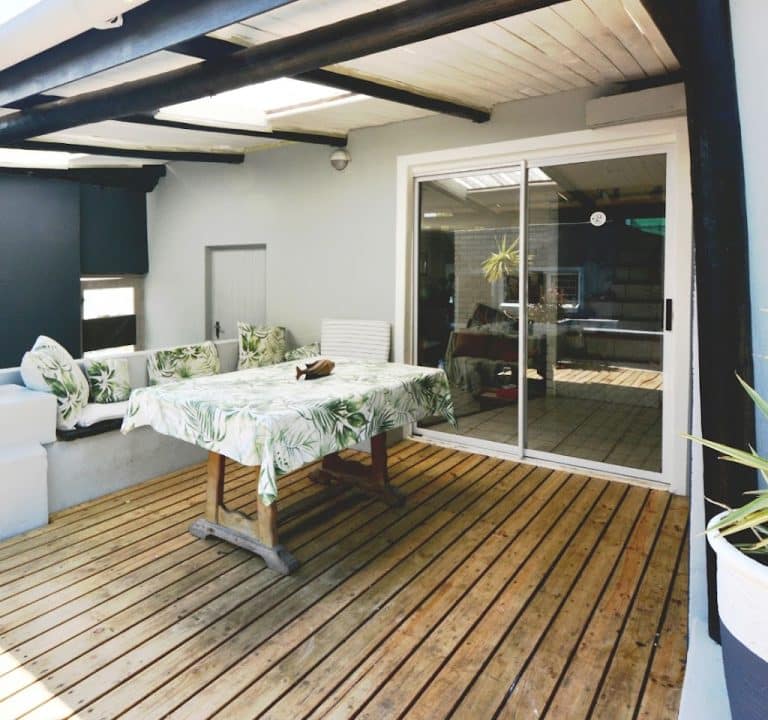
Typical amenities found in well-appointed Cape Town stays include comfortable en-suite bedrooms, reliable broadband, air conditioning or ceiling fans for the warmer months, and sometimes outdoor spaces such as courtyards or balconies with mountain or ocean views. Many properties offer breakfast either included or available on request, access to shared lounges or terraces, and occasionally spa facilities or fitness corners. A simple, well-run space with clean, well-maintained common areas often makes the stay more enjoyable, especially after a day of sightseeing or outdoor activities.
Transport in Cape Town is part of the experience. The city is navigable by a mix of rental cars, rideshare services and guided tours. If you’re staying near the city centre or the Waterfront, you’ll find many attractions within walking distance or a short ride. For mountain excursions or wine routes, a car can be convenient, though guided tours and hop-on-hop-off options are popular alternatives. Consider how you’ll get to iconic sites such as Table Mountain, the Cape Peninsula, Cape Point, or Kirstenbosch National Botanical Garden, and whether your accommodation can assist with early breakfasts, packed lunches, or easy access to tours.
The best time to visit Cape Town blends weather, crowds and events. Spring (September to November) brings mild temperatures and blooming gardens, while autumn (March to May) offers pleasant conditions for city strolling and vineyard visits. Summer (December to February) is lively with longer days and beach-friendly weather, but can be busy around peak holidays. Winter (June to August) is cooler and occasionally rainy, yet it can be a good time for museum days, indoor dining and crisp coastal walks. If you’re chasing specific events or seasonal activities, consult local guides or your accommodation host for updated recommendations and booking windows.
Practical tips to help you plan smoothly:
- Book early for high-demand periods, especially over school holidays and major festivals.
- Ask about early check-in or late check-out and any baggage storage if your flights align with reception hours.
- Check for outdoor spaces or shaded areas, particularly if you value balcony time or a courtyard for morning coffee.
- Consider a mix of bases across the city to reduce daily travel time—one night near the Waterfront and a couple of nights closer to a mountain or coastal area can be ideal.
- Look for properties with sustainable practices, local sourcing for breakfasts, and recommendations for safe, scenic walks or hikes.
When it comes to eating out and experiencing the city, Cape Town’s dining scene spans casual cafés, vibrant market stalls and refined restaurants that celebrate local produce. You’ll find plenty of options offering global flavours alongside South African favourites. For a broad sense of the city’s culinary character, seek venues that emphasise seasonal ingredients, coastal seafood dishes and modern takes on traditional dishes. Pair meals with a slow scenic walk along the coastline, a sunset view from a hilltop, or a cultural stroll through historic districts to round out a day of exploration.
As you plan your stay at a coastal or city centre base—perhaps a coastal boutique option such as Cape Dutch Sea Cottage or another nearby property—you’ll discover how a well-chosen base helps you make the most of Cape Town’s beaches, mountains and world-class cuisine. With thoughtful planning, your itinerary can balance restful mornings, active afternoons, and memorable evenings, letting you enjoy the city’s beauty and hospitality at your own pace.