Accommodation and Experiences in Cape Town: Where to Stay and What to Do
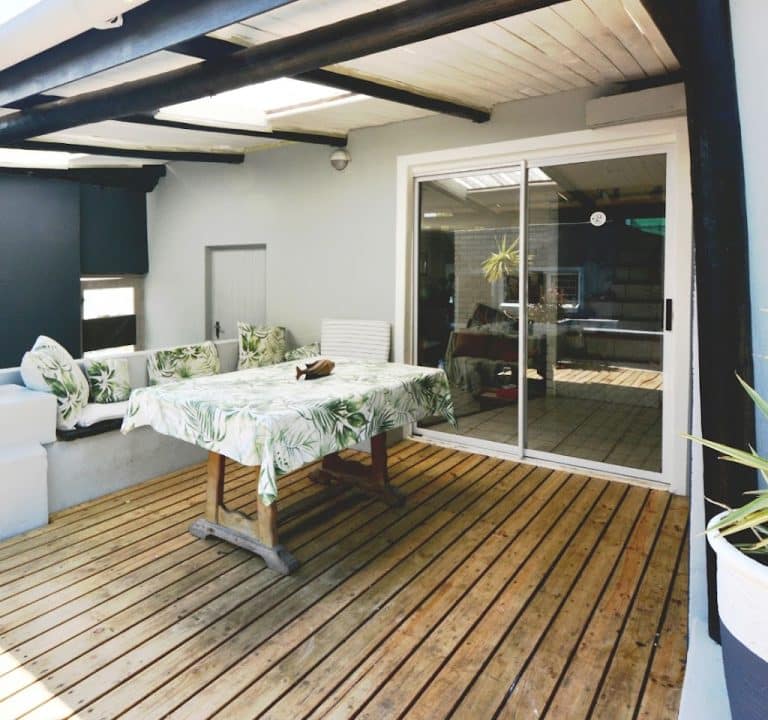
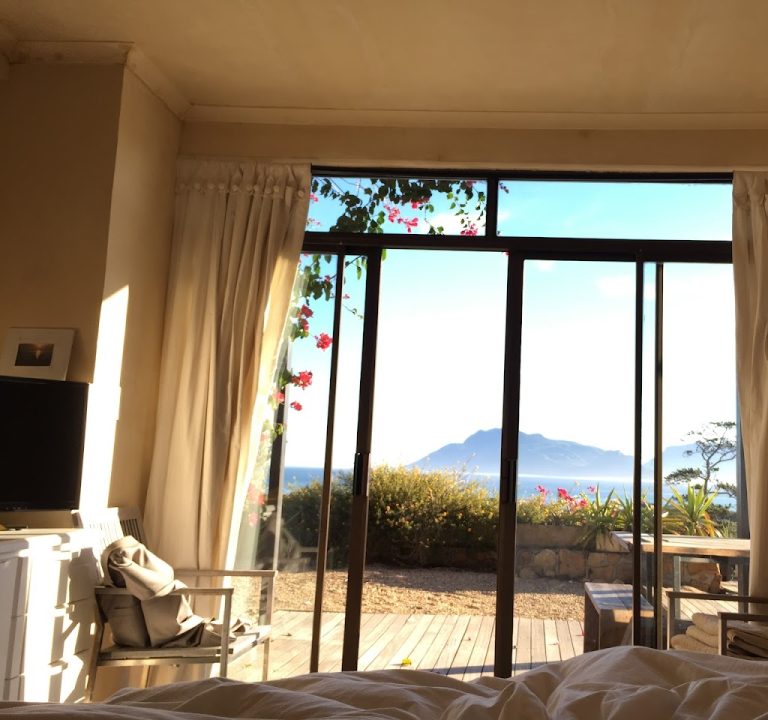
Cape Town offers a rich mix of accommodation options to suit every traveller, from stylish hotels in the city centre to cosy guesthouses near the Atlantic coast. When planning a stay, consider the character of each neighbourhood, proximity to attractions, and the pace you want from your visit. For an example stay, Old Kommetjie Bach Hideaway presents a laid‑back option on the southern edge of the city, with easy access to beaches and coastal walks. Use such options as a reference point when exploring others in the broader Cape Town region.
Areas to consider include the City Bowl and the central business district, which place you within walking distance of museums, markets, and vibrant eateries. The V&A Waterfront area blends scenic harbour views with modern hotels and easy access to harbour cruises and ferry routes. Camps Bay and Clifton on the Atlantic Seaboard offer a glamorous beach experience, with many places to stay that provide sunset vistas and a relaxed, coastal vibe. For a more tranquil hillside stay, Constantia and Tokai are renowned for wine estates and leafy streets, while Green Point and De Waterkant offer convenient access to parks, stadiums, and quick routes to the northern suburbs and the peninsula. Kommetjie and other southern outposts deliver a quieter beach atmosphere and direct access to coastal paths, which appeals to travellers seeking space and natural scenery.
When you book, look for typical hotel and guesthouse amenities that match your needs. Key features include reliable Wi‑Fi, secure on‑site parking, a comfortable desk or workspace if you require it, and flexible cancellation policies. Self‑catering options can be practical for families or groups, while breakfast inclusions save time in busy mornings. Some properties highlight sustainable practices, which may be important if you prefer to travel with a lighter footprint. Accessibility features, luggage storage, and 24‑hour reception are also useful considerations depending on your plans and flight times.
Transport within Cape Town is well served by a combination of buses, trams, and ridesharing apps. The MyCiTi bus network covers much of the city centre, Atlantic Seaboard, and southern suburbs, offering an affordable way to move between neighbourhoods. For more flexible travel, ridesharing services and private transfers are widely available, particularly for trips to the Cape Point peninsula or other day trips. If you hire a car, check parking facilities and whether your accommodation provides secure spaces. Coastal roads along Chapman's Peak and the Atlantic Seaboard offer scenic drives, but traffic can be heavy in peak season, so plan travel times accordingly.
The best time to visit Cape Town depends on your priorities. Summer (November to February) brings sunny days ideal for beaches and outdoor activities, though it is also peak tourist season. Spring (September to November) and autumn (March to May) offer milder weather with good conditions for hiking Table Mountain or exploring Kirstenbosch Botanical Gardens. Winter (June to August) has cooler, wetter days but can still be pleasant with fewer crowds and excellent restaurant and wine‑tasting options in Constantia and nearby regions.
Attractions span natural landscapes, cultural experiences, and coastal activities. Iconic experiences include ascending Table Mountain by cable car or via guided walks, visiting the Cape Peninsula and Cape Point for dramatic scenery, and exploring the city’s historic precincts such as the Bo‑Kaap neighbourhood. Wildlife encounters are popular, with penguin colonies at Boulders Beach and marine life along the coastline. Garden and wine routes in Constantia, Stellenbosch, and nearby areas offer relaxed day trips with scenery and tastings. On the dining front, Cape Town’s restaurant scene ranges from refined fine dining to casual cafés and markets, often highlighting fresh seafood and farm‑to‑table produce sourced from the Western Cape region. For a broader culinary experience, choose districts known for street‑level cafés, vibrant markets, and waterfront dining without attributing any single establishment a specific name or price point.
Planning tips to make the most of your stay:
- Map out a sensible base for your trip: choose a core neighbourhood and plan day trips from there to reduce daily travel time.
- Ask about parking, break times for quiet rooms, and balcony or ocean‑view options when available.
- Consider a mix of activities: one nature day (Table Mountain or peninsular drive), one cultural day (museums or markets), and one leisurely beach day if weather permits.
- Check seasonal offerings at wine estates and botanical gardens to align with your interests and travel dates.
- Book attractions or tours through reputable providers or your accommodation to ensure smooth logistics, especially during peak season.
When it comes to making the most of Cape Town, combining a comfortable base with access to diverse landscapes—beaches, mountains, vineyards, and vibrant urban areas—will help you craft a balanced itinerary. Whether you opt for a chic hotel overlooking the Atlantic, a cosy guesthouse in a leafy suburb, or a boutique stay near the harbour, the city’s hospitality scene is well geared to hosting a memorable South African experience. For planning resources and up‑to‑date visitor information, you can explore official tourism websites and travel guides that provide current maps, itineraries, and practical tips for getting around the region. Websites with official tourism guidance can be helpful references for current attractions and recommended routes during your stay.