Accommodation and Experiences in Cape Town, Western Cape
Cape Town combines spectacular scenery with a user‑friendly mix of stays, from intimate BnB rooms to chic city‑centre apartments and rustic lodges on the edge of the Atlantic. When planning a stay, it helps to think about how you want to move around, what kind of environment you prefer, and which activities will shape your days. The city’s neighbourhoods each offer a distinct feel, so a well‑chosen base can dramatically streamline your itinerary while keeping travel times reasonable.
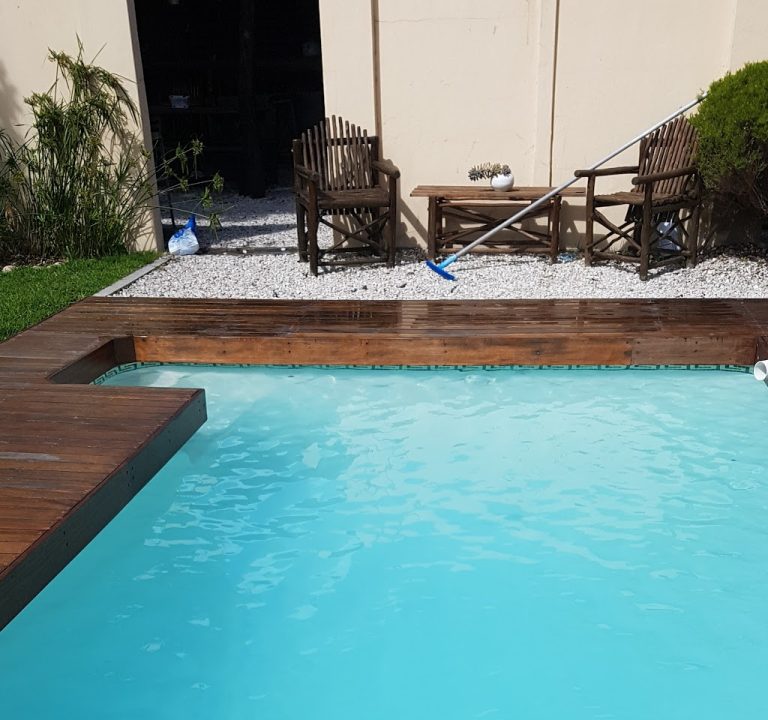
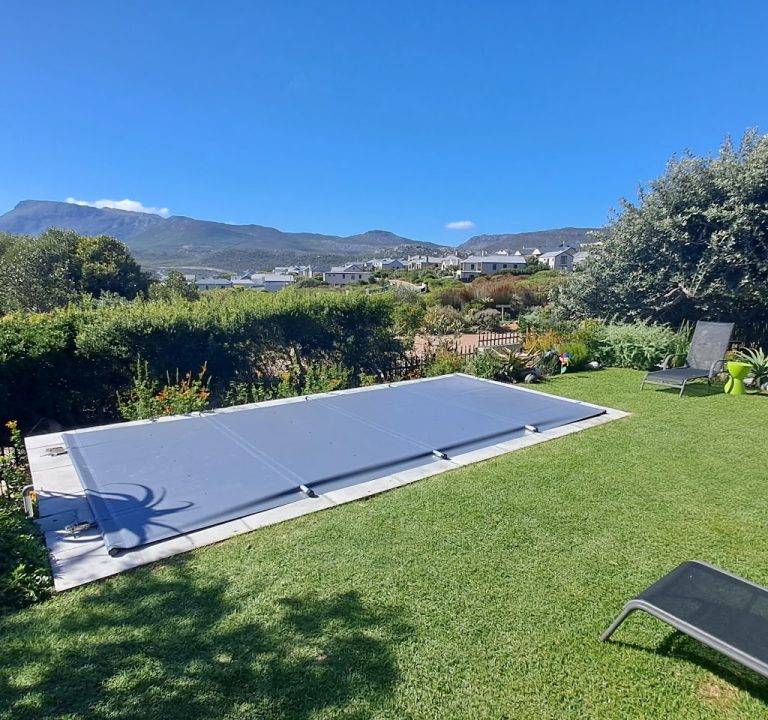
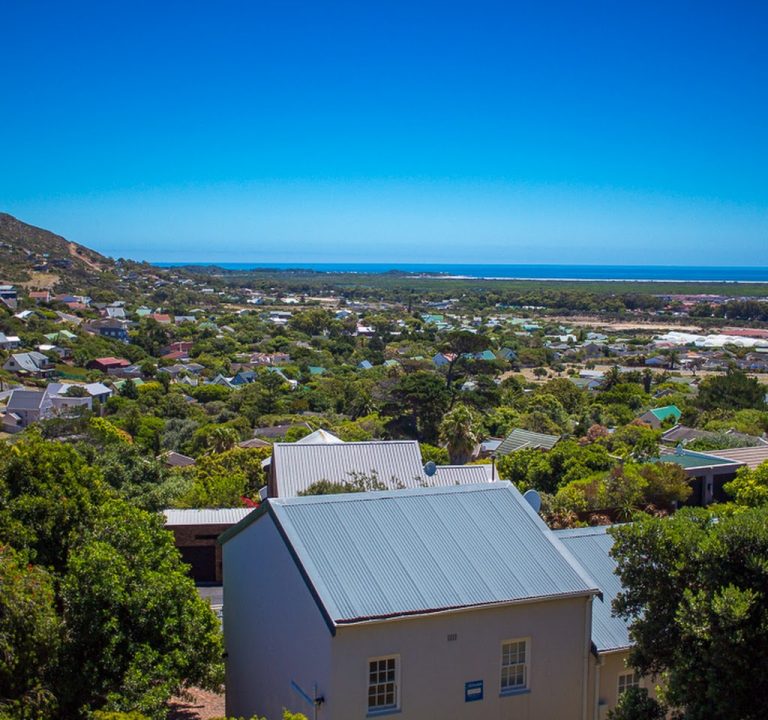
Wingate Escape, as an example of indoor lodging in a convenient part of the city, can serve as a comfortable home base with easy access to both the natural scenery and urban amenities. If your focus is a relaxed stay with straightforward access to local life, you’ll want to compare options such as guesthouses in leafy suburbs, boutique hotels in the City Bowl, and self‑catering apartments near the V&A Waterfront. Each option has its own strengths: guesthouses often provide a personal touch and included breakfasts; city hotels offer on‑site facilities and concierge services; self‑catering apartments deliver flexibility for longer visits or family groups.
Areas to consider include:
- City Bowl and the central business district for easy access to museums, galleries, and a vibrant dining scene.
- Green Point and the Atlantic Seaboard (including Sea Point and Camp’s Bay) for proximity to beaches and stunning ocean views.
- Observatory and Oranjezicht for a bohemian vibe, markets, and a more residential pace.
- Kirstenbosch and the Constantia Valley for a greener, wine‑country experience just outside the urban core.
When you book, look for practical amenities that match your plans. Essential elements include reliable wi‑fi, secure parking or easy access to public transport, and clear information about check‑in procedures. If you anticipate early starts for mountain outings or long daylight hours, ask about flexible check‑in and late‑checkout options. For families or groups, consider apartments with cooking facilities, multiple bedrooms, and sensible living space rather than a single hotel room. If you are a traveller with mobility needs, check access features such as lift access, step‑free routes, and proximity to lifts or ramps in common areas.
Transport is a key planning factor in Cape Town. The MyCiTi bus network offers citywide coverage and is a cost‑effective way to move between major hubs, while Uber and other ride‑hailing services provide door‑to‑door convenience for evenings out or short hops between attractions. If you are renting a car, verify parking availability at your accommodation and understand the city’s driving rules and parking zones. Some areas are best enjoyed on foot or by a scenic drive, especially along the Atlantic Seaboard where views are dramatic and traffic can be busy at peak times.
Best time to visit Cape Town depends on what you want from your trip. Spring (September to November) brings blooming gardens and pleasant harbour breezes, while autumn (March to May) offers mild days and fewer crowds. Summer (December to February) is peak season, with many outdoor events and busy beaches, but sea breezes and long daylight hours make it an attractive choice for outdoor lovers. Winter (June to August) is cooler and wetter, yet affords dramatic coastlines and calmer beaches, along with excellent winery touring in nearby valleys. Pack layers for rapid weather shifts, especially if you plan to hike Table Mountain or explore coastal paths.
Typical amenities you may encounter in well‑rated Cape Town properties include en‑suite bathrooms, comfortable living spaces, tea and coffee facilities,wifi, and access to shared or private outdoor spaces such as balconies or courtyards. Many guesthouses and lodges provide breakfast or offer a self‑catering option, and some hotels include on‑site restaurants, fitness rooms, or small spas. If you value sustainability, look for properties that emphasise energy efficiency, water conservation, and community involvement in the surrounding neighbourhood.
Attractions and experiences come in many forms and are easy to integrate into a varied itinerary. Iconic landscapes such as Table Mountain and the Cape Peninsula offer hiking, cable‑car rides, and picture‑perfect viewpoints that make for memorable mornings or afternoons. The city’s coastline and beaches provide opportunities for swimming, kayaking, or simply strolling along promenades with sea spray and views of the Twelve Apostles. Cultural experiences might include museums, galleries, and markets where local crafts and foods are showcased. For food lovers, Cape Town’s dining scene ranges from casual seaside eateries to refined restaurants with seasonal menus that showcase regional produce. Alongside meals, you can plan wine‑tasting days in nearby Constantia or Stellenbosch, allowing you to combine scenic drives with vineyard tours in a relaxed pace.
Practical tips to help you get the most from your stay: book ahead in peak seasons but remain flexible where possible, so you can adjust plans to weather or personal energy levels. Confirm how transport will work for your daily itinerary, and build in buffer time for travel between scenic stops and meals. Read recent guest reviews to understand what experiences have changed, particularly around breakfast options, parking, and noise levels in busy periods. Finally, when researching websites, look for clear cancellation policies and accurate descriptions of the property, neighbourhood, and accessibility features.
For further ideas and practical planning, you can explore official tourism resources online, which provide broad guidance on areas to visit, seasonal events, and entry points for activities around Cape Town and the Western Cape. A well‑selected stay in Cape Town can feel like a gateway to the region’s natural beauty, cosmopolitan energy, and welcoming hospitality. Start planning your itinerary with a bias towards comfortable bases, sensible transport options, and a balance of outdoor highlights and culinary discoveries.