Choosing a Cape Town stay: accommodation, neighbourhoods, and a flavour of what to do
Capitals by the sea, Cape Town’s appeal lies just as much in its diverse places to stay as in the scenery that surrounds them. From intimate guest houses tucked into leafy suburbs to contemporary rooms with views of the mountains, visitors can find spaces that suit short city breaks or longer explorations of the Western Cape. When planning a stay, think about what you want to get out of the trip: sandy shores, gastronomy, wine routes, or hiking and wildlife. With a little advance planning, you can balance your accommodation choice with easy access to the city’s main sights and a taste of local life.
Neighbourhoods and areas to consider include:
- The V&A Waterfront and the surrounding harbour area for easy access to orientation walks, harbour views, and a range of eateries and ferry services.
- City Bowl and leafy inner suburbs, where boutique guest houses and budget-friendlyB&Bs share streets with cafes, galleries, and parks.
- Green Point and Sea Point, popular for coastal walks, oceanfront promenades, and a mix of self-catering flats and guesthouses with mountain or sea views.
- Camps Bay and Clifton, known for their dramatic scenery and boutique stays close to sand and stylish dining, best for a scenic getaway.
- Constantia and the southern suburbs, ideal for a quieter stay, world-class wineries, and larger properties with private gardens.
What to look for when booking a property in Cape Town involves balancing location, comfort, and practicalities. A few practical considerations:
- Location relative to planned activities: if you want easy access to Table Mountain or Robben Island, choose a base that minimises long transfers.
- Type of accommodation: guest houses and boutique B&Bs offer a personal touch, while hotels and lodges may provide more predictable services and facilities.
- Room configuration and privacy: check whether rooms share entryways, the presence of ensuite bathrooms, and whether there is a separate lounge or balcony for relaxation.
- Facilities and meals: whether breakfast is included, whether there is a kitchen or self-catering option, parking availability, and on-site laundry if you’re staying for a while.
- Safety and access: look for well-lit entrances, secure parking, 24-hour reception, and nearby convenience stores or transport links.
- Reviews and host responsiveness: recent guest comments can reveal how well the property matches its description and how helpful staff are with arranging local recommendations.
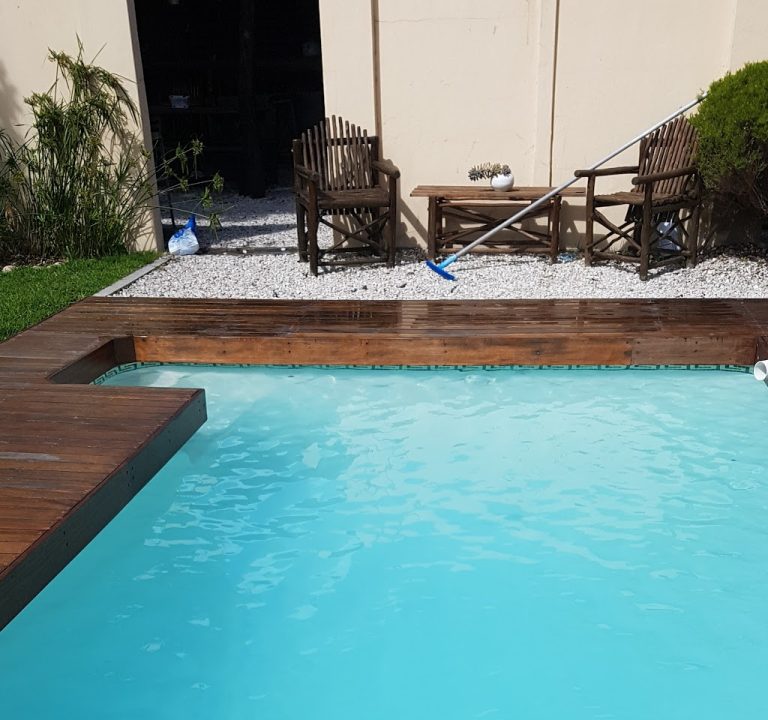
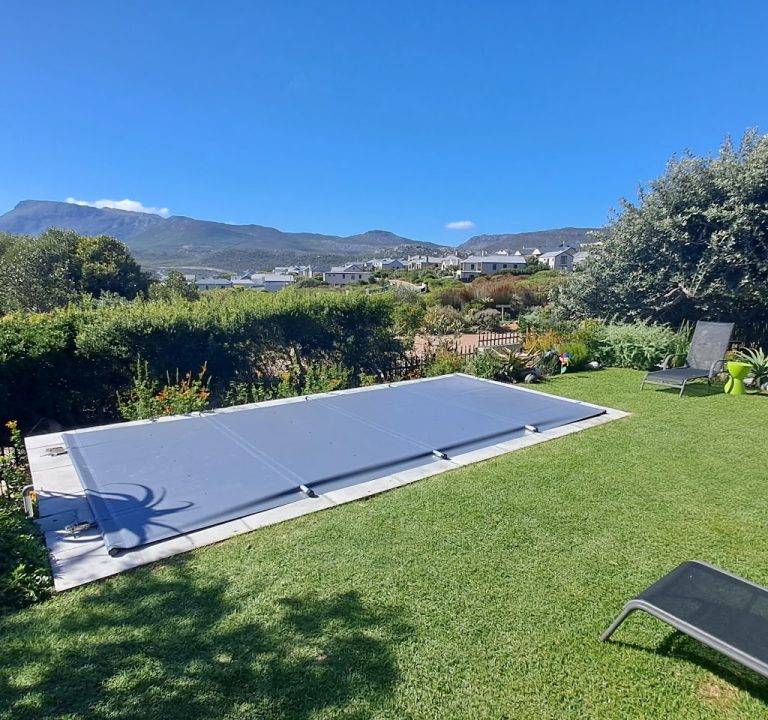
Typical amenities you might encounter include free Wi‑Fi, air conditioning or fans, tea and coffee facilities, private patios or balconies, and daily housekeeping. Some properties offer swimming pools, gardens, or outdoor spaces that invite a relaxed morning or sunset mood. Laundry services, shuttle arrangements, and concierge-style guidance to activities can be particularly valuable for first-time visitors.
Transport in Cape Town is an important consideration. The MyCiTi bus network covers many tourist corridors, while Uber and other ride-hailing services are widely available. If you prefer independence, consider a rental car, especially if you plan day trips to the Cape Peninsula, Simon’s Town, or the Constantia wine route. For safety and convenience, it’s sensible to organise airport transfers or pre-book a trusted driver for longer day trips.
Best time to visit Cape Town depends on what you want to do. The summer season (roughly December to February) brings longer days, warmer seas, and a lively city atmosphere, ideal for beach days and outdoor dining. Winter (June to August) is cooler and cloudier, with a different mood and fewer crowds, which can be a good time for tasting rooms and cultural events. Shoulder seasons—spring (September to November) and autumn (March to May)—often offer pleasant weather and quieter streets, with opportunities to enjoy gardens, hikes, and low-season rates on accommodation.
When planning an itinerary, a balanced mix of natural exploration, city culture, and dining experiences tends to create a fuller stay. A practical approach is to cluster activities by area: base yourself in one or two zones, with a few half-day trips to nearby landscapes, and reserve evenings for local dining and markets. For example, a stay that includes time near the mountains for sunrise views, followed by days exploring the coastline and the central city, can maximise your experience without lengthy travel in peak traffic.
Accommodation examples such as a guest house in a convenient district or a boutique stay with thoughtful details can act as a comfortable home base. Cape Town’s hospitality scene ranges from intimate properties to larger, well-supported establishments, each offering its own sense of place. For inspiration and planning, visit official tourism sites or reputable travel guides to read about areas, routes, and practical tips for stays in Cape Town. Always verify current access conditions and local advisories before travel, and consider contacting hosts or guest house managers to tailor your stay to your interests.
In summary, the best Cape Town stay blends a thoughtful location with reliable comfort, easy transport links, and opportunities to enjoy the city’s landscapes and flavours. Whether you gain sunrise mountain views from a hillside guest house or sunset sea vistas from a coastal retreat, your choice of neighbourhood and amenities will shape the rhythm of your visit and help you make the most of your time in the Western Cape.