Staying in Cape Town: where to stay, what to plan, and how to enjoy the city
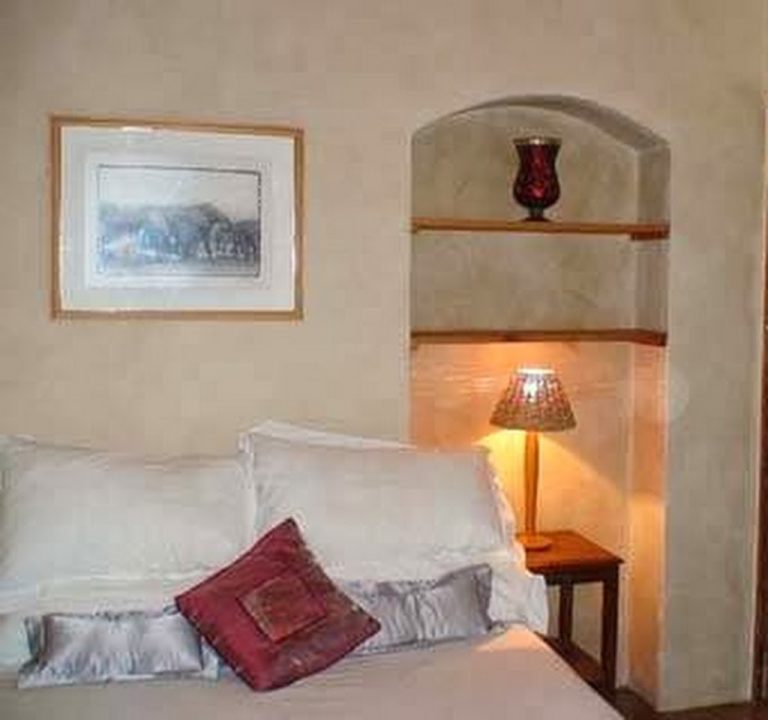
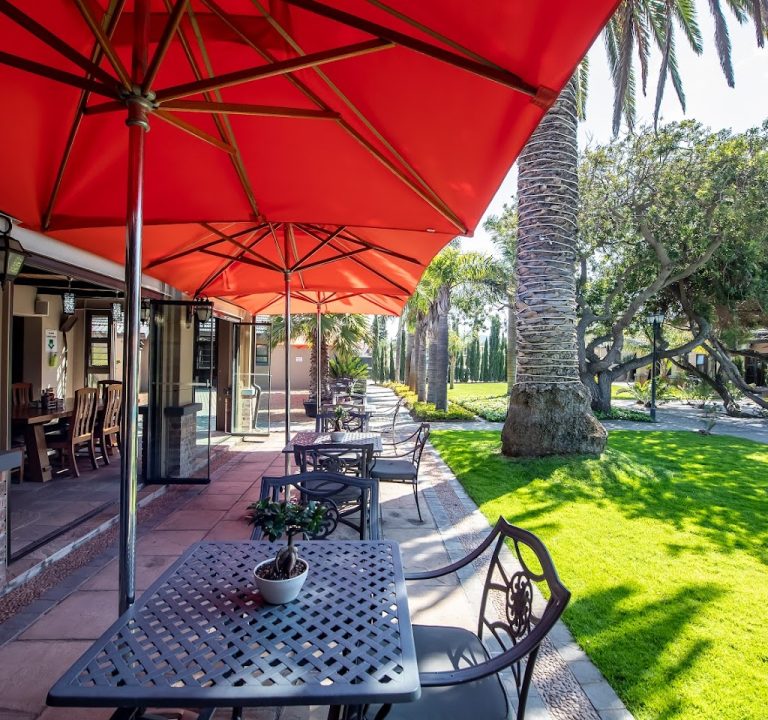
Cape Town is a city of contrasts, where dramatic coastlines meet rugged mountains and a vibrant cultural scene sits alongside world‑class dining and easy access to nature. When planning a stay, choosing the right neighbourhood can shape your experience—from the buzz of the City Bowl to the coastal calm of the Atlantic Seaboard, or the leafy tranquillity of Constantia. For those seeking a guest-house ambience with a personal touch, properties such as Wild Olive Garden Cottage offer a homely base that blends location with comfort.
To get the most from your visit, consider the type of accommodation you prefer. Guest houses and B&Bs can range from intimate, family‑run spaces to stylishly designed retreats with a self‑catering element. In Cape Town, many properties feature essentials such as Wi‑Fi, private or shared bathroom facilities, daily housekeeping, and on‑site parking. Some offer additional conveniences like kitchenettes or small self‑contained units, ideal for travellers who enjoy a blend of independence and local hospitality. When evaluating options, ask about parking security, access after hours, and proximity to transport links or popular routes.
Neighbourhoods to know, and what they offer:
- City Bowl / Central Cape Town — close to museums, markets and the V&A Waterfront; convenient for shorter stays and walking access to sights, restaurants, and nightlife.
- Table Mountain vicinity — gateway for hikes and cable car trips; a good base if you want early-start adventures and spectacular views.
- Atlantic Seaboard (including Green Point and Sea Point) — coastal scenery, beaches, promenades, and a mix of boutique hotels and guest houses; good for families and couples who want sea air and easy dining options.
- Constantia Valley — vineyards, quiet leafy streets, and larger guest properties; ideal for a slower pace and day trips to winelands.
- Woodstock and Observatory — creative hubs, markets and a more local vibe; convenient for guests who enjoy exploring on foot or cycling routes.
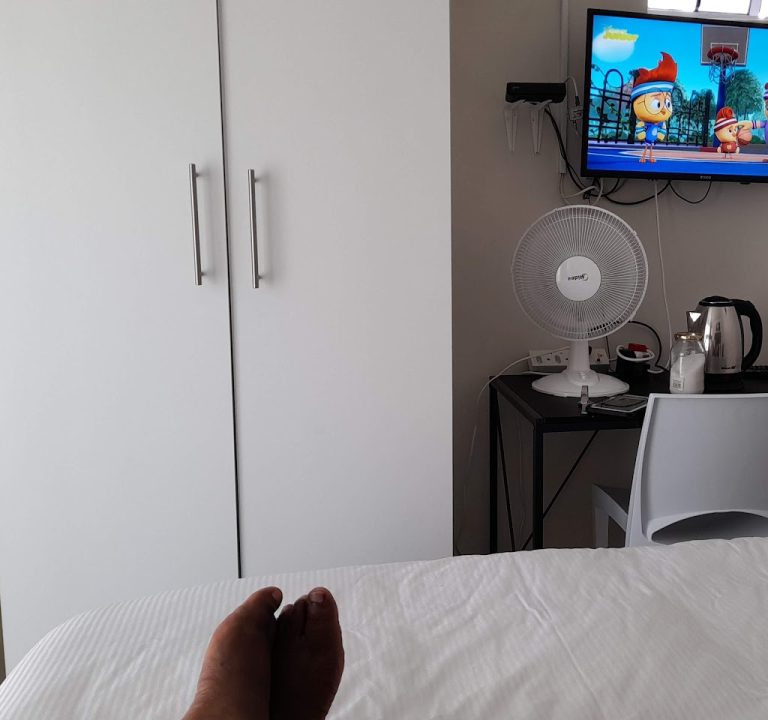
Typical amenities you might encounter include high‑speed Wi‑Fi, air conditioning or fans, and en‑suite bathrooms. A well‑located base will also offer information on local transport and easy access to attractions. If you plan day trips, check whether the property can arrange or recommend a trusted tour operator for trips to the Cape Peninsula, Cape Point, or the Cape Winelands. Some guest houses provide a light continental breakfast or a self‑service option, which can be convenient for early starts when you want to maximise daylight hours for sightseeing.
Transporting around Cape Town is straightforward, though it helps to plan ahead. The MyCiTi bus network covers many tourist sights and major suburbs, with routes linking to the city centre and the Atlantic Seaboard. Taxis and rideshares are widely available, and some guest houses can arrange transfers or recommend reputable drivers. If you are driving, sourced parking information is essential, as on‑street parking can be restricted in busy areas. For trips to the Cape Peninsula, a guided tour or a day‑rental car is common, as these routes showcase coastal scenery, beaches and viewpoints worth slow exploration.
Best time to visit Cape Town depends on your activities. The dry season, typically from November to March, offers long days and excellent coastal conditions, perfect for beaches, outdoor dining and easy access to Table Mountain’s viewpoints. Winter months (June to August) bring cooler weather and occasional rain, which can be ideal for visiting Kirstenbosch Gardens, penguin beaches a bit further along the coast, and wine estates with cosy tasting rooms. Shoulder seasons—April/May and September/October—deliver comfortable temperatures and fewer crowds, which some travellers favour when exploring city streets and markets. Always check the local forecast and plan outdoor activities for early mornings or late afternoons when the light is best for photography.
When budgeting, allow for modest meals in neighbourhood eateries, occasional fine dining experiences, and day trips to the Cape Winelands or the Cape Point reserve. For those staying in guest houses or self‑catering spaces, a mix of self‑catering with opportunistic dining at nearby cafés is common. Speak to your host about supermarket proximity and suggested local suppliers for supplies if your unit includes a kitchenette. On your first morning, ask for a short orientation from your host—these tips can save time and enhance your visit.
Attractions and experiences in general terms include coastal walks along scenic promenades, visits to viewpoints overlooking Table Bay, and explorations of cultural districts with markets and crafts. Outdoor enthusiasts can seek guided walks or sunrise viewpoints, while families may plan gentle days at botanical gardens, animal sanctuaries, or coastal nature reserves. Food lovers will find a thriving scene—from casual street‑style eateries to modern, chef‑led venues—plus markets where you can sample fresh produce and regional specialities. For those seeking longer discoveries, day trips to the Cape Winelands for wine tastings, or trips to surrounding towns to learn about local history, offer memorable ways to broaden an itinerary. More information and inspiration can be found at the property’s website or local tourism resources, which often provide up‑to‑date suggestions and practical planning tips.
Example accommodation reference: Wild Olive Garden Cottage is a guest house that emphasises comfortable rooms and a welcoming atmosphere. When selecting a stay, compare how hosts describe the spaces, the amenities offered, and how the location aligns with your planned schedule. For further details and booking considerations, you can visit the property’s listing or partner websites to view availability and guest reviews.
In short, Cape Town rewards careful planning and flexible itineraries. Choose a neighbourhood that suits your pace, verify essential services with your host, and build days that balance iconic sights with time to relax and enjoy the city’s hospitality. For more information and ideas, explore reputable travel resources and the provided site links to assist with your booking decisions.