Accommodation in Cape Town: Where to stay and how to plan your visit
Cape Town offers a diverse range of places to stay, from stylish boutique lodges tucked into the winding lanes of historic suburbs to modern aparthotels with sweeping views over the harbour and ocean. When planning a stay, it helps to think about what you want from your trip—be it easy access to beaches, a buzzy urban scene, or leafy tranquillity close to wine farms. The city is compact enough to explore by combination of walking, taxi apps, and reliable public transport, but some planning will save time and make your trip more enjoyable.
One useful approach is to cluster your stay by area, so you can minimise lengthy transfers between day trips. The following neighbourhoods are popular for different reasons:
- City Centre and the V&A neighbourhood: A vibrant mix of cafes, restaurants, museums, and nightlife, with many apartments, guesthouses, and boutique hotels within easy walking distance of attractions.
- Atlantic Seaboard: Includes areas such as Sea Point, Green Point, and Camps Bay, offering sea views, promenades, and a higher-end selection of lodges and boutique hotels.
- Constantia and Stellenbosch corridor: Ideal for wine lovers and those seeking a quieter stay with gardens, wine estates, and countryside scenery nearby.
- Southern Suburbs and the inner Cape Fold: Great for family-friendly lodging, larger guesthouses, and easy access to Kirstenbosch Gardens and Table Mountain’s southern slopes.
When booking, look for a few key features that will shape your comfort and convenience. A generous breakfast can be a good way to start a busy day, while en-suite bathrooms save time in the mornings. Practical amenities such as secure parking or easy access to public transport, reliable wifi, and well‑equipped kitchens or kitchenettes in self-catering options can make a big difference for longer stays. If you are visiting in high season, confirm flexible cancellation policies and whether the property offers late check-in, as Cape Town’s flight schedules and domestic connections can be variable.
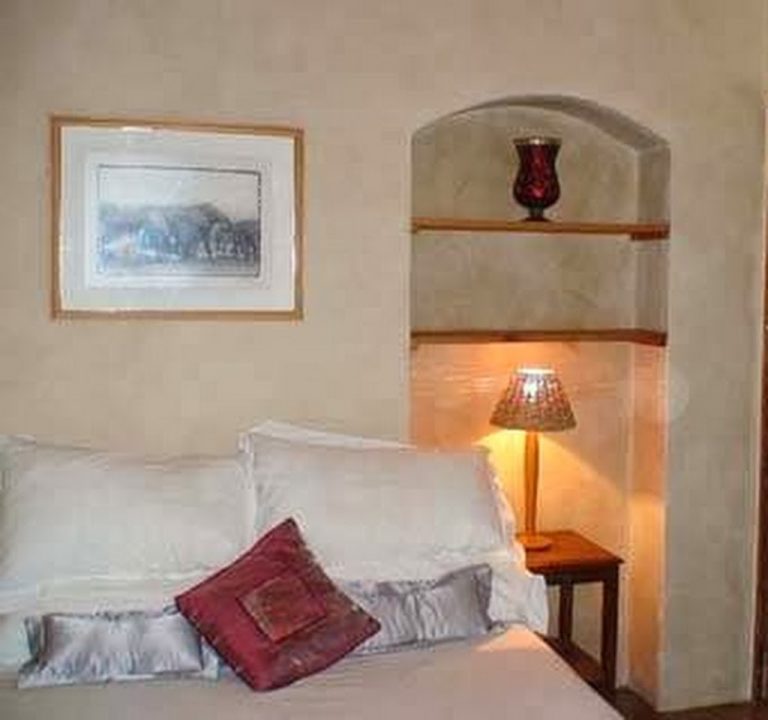
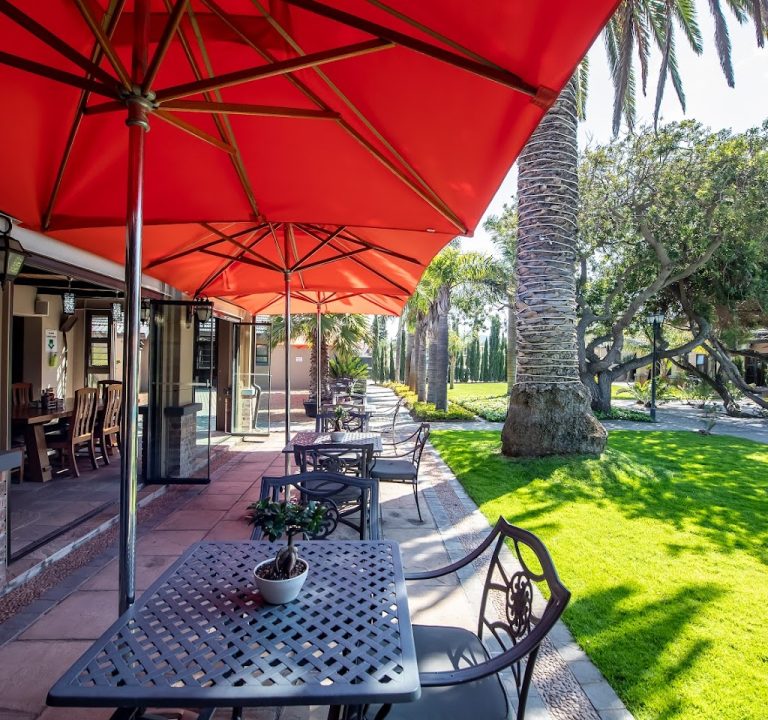
Accommodation in Cape Town ranges from intimate guesthouses and boutique lodges to stylish B&Bs and small hotels. A well-chosen stay will often reflect the character of the area—scenery via sea or mountain views, architectural details that echo Cape Town’s heritage, or a green garden setting. An example to consider is izuba lodge, a lodging option that may provide the kind of relaxed, comfortable atmosphere that suits travellers seeking a balanced mix of privacy and personal service.
Transport to and around the city is straightforward, but a little planning helps. For many visitors, Uber or established ride-sharing apps offer a convenient way to reach restaurants and sights without worrying about parking. The city’s MyCiTi bus service covers major routes and is a cost-effective option for shorter hops between suburbs and the city centre. If you plan to explore beyond the city, a rental car gives you freedom to visit the Cape Peninsula, Constantia wine routes, or the winelands in a day trip. Always check the latest local traffic information and road closures, especially during peak tourist periods and event weekends.
Best time to visit Cape Town depends on your priorities. The summer months (November to February) bring warm, sunny days ideal for beach time and outdoor activities, though evenings can be breezy, especially along the Atlantic seaboard. Winter (May to August) is cooler and wetter, a good period for fewer crowds and dramatic storms along the coast, with options to explore museums, markets, and indoor venues. Spring and autumn offer a pleasant compromise—mild temperatures and lower humidity, with good conditions for outdoor hikes and scenic drives up to the Cape Point and along the Chapman’s Peak route.
Alongside your accommodation, consider what to do and where to dine. Cape Town’s landscape invites a blend of experiences: a cable-car ride or hike up Table Mountain for panoramic city views; a scenic drive along Chapman’s Peak and across the Peninsula; and visits to the Kirstenbosch National Botanical Garden set against the Eastern Slopes of Table Mountain. For meals, there is a wide spectrum from casual bistros to refined dining, with emphasis on fresh seafood, regional produce, and multicultural influences that characterise the city’s culinary scene. In most areas you’ll find a mix of casual eateries, farmers’ markets, and stylish restaurants offering seasonal menus and local produce.
Practical tips for a smooth stay include packing layers to cope with wind and changing temperatures, especially near the coast and on Table Mountain. Bring a light waterproof layer for sudden showers and comfortable walking shoes for uneven pavements and hillside paths. If you plan to self‑drive, obtain an international driving permit if required, and be mindful of peak-hour traffic into the city centre. Always bookmark a couple of backup dining options and a nearby supermarket or convenience store, in case you return late from an excursion. Finally, respect local safety guidelines and keep valuable belongings secure, particularly in crowded areas and during night-time hours.
With careful preparation, a Cape Town stay can combine comfortable accommodation with easy access to spectacular scenery, engaging activities, and memorable dining experiences. Whether you choose a harbour‑side lodge, a tranquil guesthouse in the subtropical suburbs, or a chic city‑centre apartment, planning around your preferred pace and interests will help you make the most of this diverse and inspiring destination. For further inspiration, explore reputable tourism resources and the official Cape Town visitor information site to tailor your itinerary to your dates and interests.