Accommodation and Experiences in Cape Town: Planning Your Stay
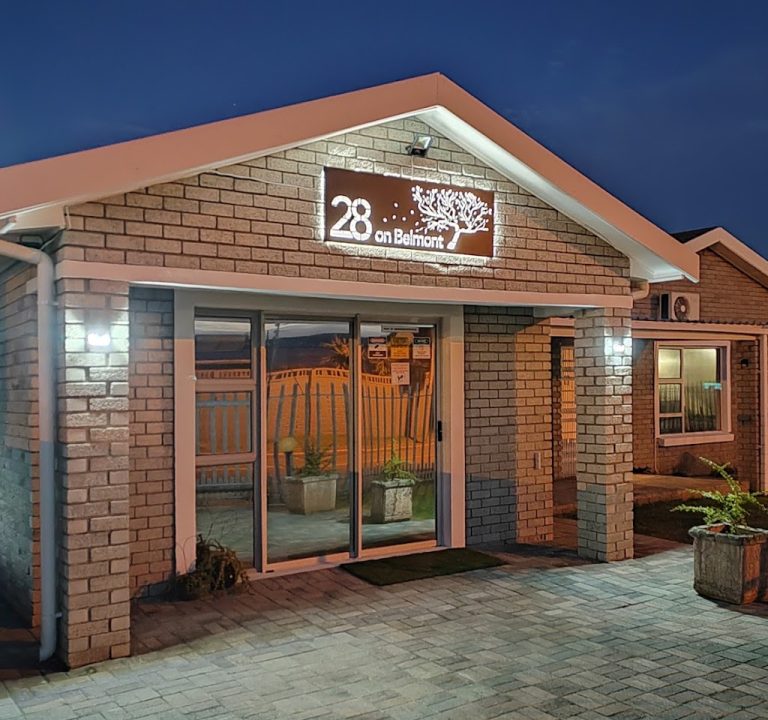
Cape Town, set between the dramatic Table Mountain and the Atlantic Ocean, offers a diverse mix of neighbourhoods, styles of accommodation and a wealth of experiences. When planning a stay, it helps to think about how you want to move around, what sort of atmosphere you prefer, and which sights you most want to prioritise. From self-catering studios to boutique guesthouses and modern hotel apartments, there are options to suit a range of budgets and travel styles. A convenient option is to consider self-catering studios that provide flexibility for longer visits or family trips, such as those listed on booking platforms. For example, the 28 On Belmont Self Catering Studio presents a compact, well-equipped base in a family-friendly area with easy access to central sights and the Atlantic coast; more information can be found on its booking page.
Areas to consider when booking include:
- City Bowl and the Central Business District: Within easy reach of museums, markets, and a lively dining scene. Best for travellers who want walkable access to sights and late-night eateries.
- V&A Waterfront and the Harbour: A waterside hub with restaurants, views of the harbour, and convenient access to ferries and excursions. This area is ideal for first-time visitors seeking a scenic base with plenty of organised activities.
- Atlantic Seaboard (Green Point, Bantry Bay, Camps Bay): Known for stunning ocean views, palm-lined beaches and stylish hotels. Great for beach days, sunset drinks, and coastal strolls.
- Constantia Valley and Southern Suburbs: A quieter, leafy setting ideal for travellers seeking vineyard day trips, tartly air and a more relaxed pace. Perfect for longer stays or couples looking for a peaceful retreat.
- City fringe lofts and guesthouses: A cosy middle ground that often offers excellent value and easy access to day trips while staying close to urban conveniences.
What to look for when booking a place to stay in Cape Town? Consider these practical points:
- Proximity to planned activities: If you want to hike Table Mountain, explore the colourful Bo-Kaap, or take a day trip to the Cape Peninsula, choose a base with straightforward transport links or a walkable core.
- Transport options: Cape Town’s MyCiTi bus network and Uber/ride-hailing services are helpful. If you’re renting a car, check parking and access to routes that avoid peak traffic.
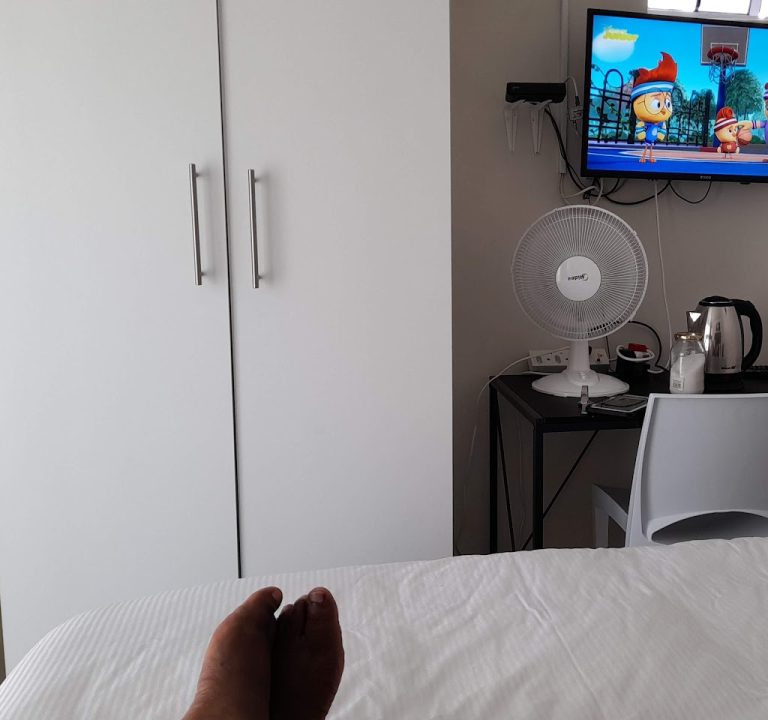
- Amenities and comfort: Look for a well-equipped kitchen if you plan to self-cater, reliable wi‑fi, air conditioning for hot summer days, and secure on-site parking if you’re driving.
- Safety and security: Pick accommodation with good building security and a reputable neighbourhood. In coastal areas, natural scenery may be accessed after dark with care; plan evening plans accordingly.
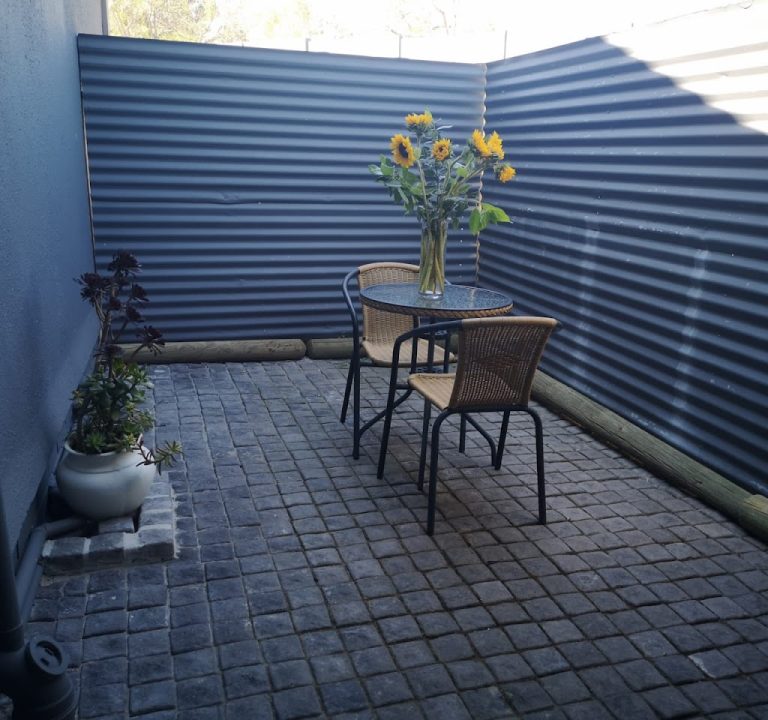
- Space and flexibility: Self-catering studios and boutique suites often provide a compact yet well-organised layout, while larger guesthouses or hotels may offer separate lounges or terraces for relaxing after a day of sightseeing.
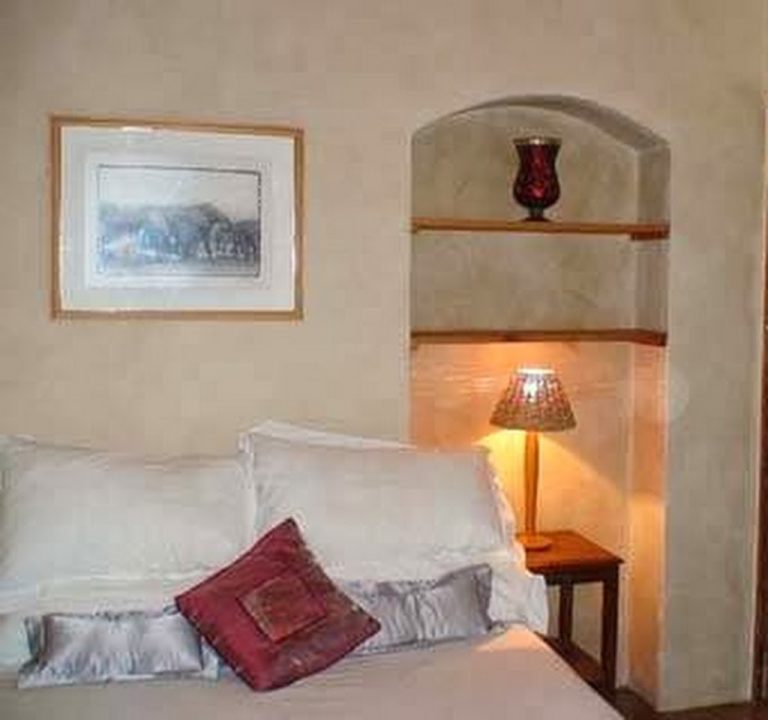
Typical amenities you might expect include en-suite bathrooms, tea and coffee facilities, and quality bedding. Some properties offer on-site conveniences such as swimming pools, small gyms, or private balconies with sea or mountain views. If staying in a self-catering studio, you may find a compact kitchen or kitchenette with provisions like a fridge, kettle, and cooking basics, enabling you to enjoy breakfasts before heading out for the day.
When planning what to do, consider balancing classic sights with local, traveller-friendly experiences. Must-do attractions in broad terms include a cable car or hike to see Table Mountain's iconic summit, a visit to the V&A Waterfront for shopping and views, and a trip to the Cape Peninsula for striking coastal scenery and wildlife. Suburban markets, craft routes, and food districts offer a taste of Cape Town’s diverse culture without the crowds of peak season. For nature lovers, Kirstenbosch National Botanical Garden and nearby nature reserves provide shaded walks and spectacular views. For a deeper sense of history, Robben Island is a potent reminder of Cape Town’s past. It’s wise to check access and ferry schedules in advance, as availability can vary with tides and weather.
Dining in Cape Town ranges from casual eateries with surf-and-tish vibes to stylish modern bistros offering seasonal menus. Rather than naming specific restaurants, look for spots with fresh, locally sourced ingredients and menus that reflect the city’s cosmopolitan influences. Eating out is often an opportunity to try seafood along the Atlantic coast, robust South African favourites, and vibrant international dishes, sometimes with wine recommendations from nearby regions.
Best time to visit Cape Town spans spring and autumn when the weather is mild and the city is less crowded than in peak summer. Whale watching is most rewarding in winter and spring along the coast, while summer invites long beach days and outdoor adventures. If you’re seeking good value, shoulder seasons often offer calmer experiences with easier access to popular viewpoints and a broader range of accommodation options.
Practical planning tips to close with:
- Book accommodation with flexible dates where possible to adapt to weather or unexpected plans.
- Check transport links from your base to Table Mountain, Robben Island, and the Cape Peninsula route to optimise your days.
- Pack sun protection, layers for cooler evenings, and good walking shoes to maximise comfort on varied terrain.
- Look for properties with clear location descriptions, nearby supermarkets, and handy public transport stops.
- Explore a mix of stay types during your trip, combining a central urban base with a quieter, scenic suburb for different experiences.
For a convenient starting point, you can explore options such as 28 On Belmont Self Catering Studio through its booking page, which highlights a compact, self-contained option convenient for visitors who want autonomy and proximity to Cape Town’s core sights. With careful planning, your Cape Town stay can blend comfortable accommodation, practical logistics, and memorable experiences into a balanced and enjoyable visit.