Staying in Cape Town: accommodation, planning, and local highlights
Cape Town is a city of distinct neighbourhoods and landscapes, from dramatic coastlines to sheltered valleys and bustling cultural hubs. When planning a stay, consider how you want to pace your visit: city days with easy access to nature, or beachfront relaxation with quick hops to top sights. A well‑chosen base makes it easier to enjoy both the extraordinary scenery and the hospitality that South Africa is known for.
Areas to consider include the City Bowl for proximity to museums, theatres, and the historic heart of the city centre; the Atlantic Seaboard, where dramatic ocean views and stylish apartment hotels abound; and the V&A Waterfront, ideal for easy dining, shopping, and access to boat trips. For wine lovers and quieter streets, Constantia and the Southern Suburbs offer leafy ambiance, larger guesthouses, and easy drives to Kalk Bay or Muizenberg. If you’re keen on a beach holiday with access to surfing and family-friendly beaches, the Atlantic Seaboard and False Bay coastlines are worth exploring. Finally, day trips to the Cape Peninsula allow you to visit dramatic viewpoints, seal colonies, and the famed Cape Point, all within a scenic drive from central Cape Town.
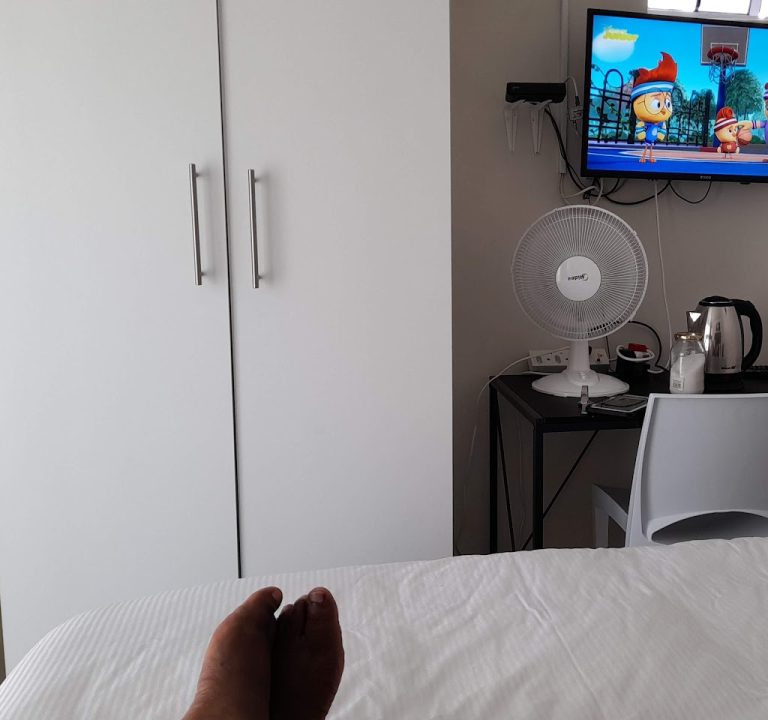
When choosing accommodation, think about your priorities. If you want a social scene and quick access to restaurants, a boutique hotel or guesthouse in the heart of the city or the Waterfront can be ideal. For families or travellers seeking space and a kitchen, self‑catering apartments in Atlantic Seaboard or Constantia offer flexibility. If you’re after a tranquil retreat, a country house or small lodge in the winelands or on the slopes above the city can provide a restful backdrop to your days. Many properties in Cape Town provide breakfast options, private parking, and Wi‑Fi; some offer pools, sea views, or easy access to scenic hikes from the doorstep.
Typical amenities to look for include secure parking or easy parking nearby, reliable Wi‑Fi, and a good level of cleanliness and maintenance. A well‑equipped kitchen or kitchenette can be a real convenience, particularly if you’re staying a few days. Reception hours and local staff knowledge are also valuable, especially for arranging tours, shuttle services, or restaurant recommendations. Accessibility is worth checking if you have mobility considerations, as some older buildings may have stairs or limited lift access. If you’ll be renting a car, confirm parking arrangements and proximity to major routes; if you’re relying on public transport, consider locations near MyCiTi routes or railway stations for straightforward access to downtown and the southern suburbs.
Best time to visit Cape Town depends on your priorities. Summer (December to February) brings long days and vibrant outdoor life, but it’s also the peak tourist season, so expect busier streets and higher prices. Shoulder seasons in spring and autumn (September to November, March to May) can offer pleasant weather with fewer crowds and good value. Winter (June to August) is cooler and wetter, yet it can still be a good time for indoor cultural experiences and cosy evenings, with often fewer visitors. Keep the marine layer in mind: mornings can be chilly and breezy near the coast, while afternoons may warm up under the sun. If you plan to visit the Cape Peninsula or Robben Island, book ahead and allow for wind or weather-related delays on boat tours.
Planning your daily itinerary can be helped by grouping activities by geography. Start with a morning excursion up Table Mountain or a scenic coastal drive, followed by mid‑day explorations of historic sites or galleries, and finish with sunset views and a relaxed dinner. When it comes to dining, Cape Town’s culinary scene is diverse, ranging from modern bistros to long-standing seafood venues and ethical, farm‑to‑table eateries. Rather than naming specific establishments, look for places with warm hospitality, a balanced menu, and a neighbourhood vibe that mirrors your stay. If you prefer guided meals, several reputable operators offer neighbourhood food walks or day trips that showcase local produce, markets, and wine regions nearby.
Practical tips for a smoother stay:
- Book in advance for peak periods and outdoor attractions, especially table‑going experiences and sea safaris.
- Check cancellation policies and weather contingencies for activities that are weather‑dependent.
- Confirm transport options from your accommodation to key sights and dining districts; Uber and local taxis are common, and some areas have reliable shuttle services.
- Pack layered clothing to adapt to coastal winds and the changing microclimates across the city and the peninsula.
- Ensure you have a plan for safe local travel at night, particularly if you plan to dine outside the central areas.
For further inspiration and practical trip ideas, official tourism resources offer sample itineraries, safety tips, and maps to help you plan a balanced stay. Cape Town rewards curious travellers with its remarkable scenery, welcoming hospitality, and a rich tapestry of experiences that can be tailored to virtually every travel style. Whether you’re seeking a chic city retreat, a seaside escape, or a countryside hideaway within reach of the winelands, a thoughtful choice of accommodation will anchor an unforgettable visit.
To explore more about the region and plan your stay, you can visit the official tourism site for Cape Town and the Western Cape for ideas on hotels, guesthouses, and travel planning: Cape Town and Western Cape tourism.