Accommodation and Attractions in Cape Town, Western Cape
Cape Town offers a diverse mix of self-catering retreats, boutique guesthouses, stylish hotels and lodges, all set against a backdrop of mountains, beaches and harbour views. Whether you are seeking a cosy apartment for a city break or a well-equipped base for exploring the Cape Peninsula, planning ahead will help you make the most of your stay. A good starting point is to think about the neighbourhoods that suit your pace and interests, and then match them to the amenities and access you value most.
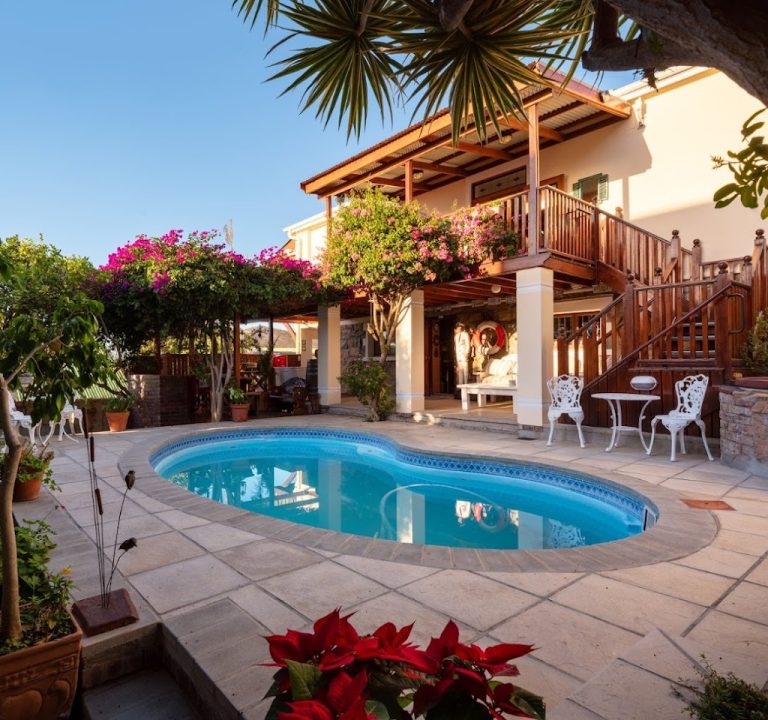
Whale House, for example, represents a category of self-catering accommodation that can suit travellers who appreciate flexibility and a homely setup. Self-catering options range from compact studios to spacious multi-bedroom apartments with private kitchens, living areas and outdoor space. These can be especially convenient for families, groups or travellers who prefer the convenience of cooking their own meals after long days of sightseeing. When selecting a self-catering option, consider layout, daily cleaning options, on-site parking, and how close you are to transport links and local markets or supermarkets.
For those who want to soak up the city’s buzz, the City Bowl and nearby central districts offer stylish guesthouses and boutique hotels within easy reach of Cape Town’s historic sites, museums, markets and a thriving dining scene. If you prefer sea air and sunset walks, the Atlantic Seaboard towns, including Camps Bay and Clifton, provide resort-style settings with dramatic coastline and close proximity to beaches. For a more relaxed, leafy atmosphere, Constantia Valley’s wine estates and guesthouses offer a tranquil contrast and handy access to scenic hiking trails and golf courses.
When planning where to stay, consider these practical factors. Transport links are important for most visitors. The MyCiTi bus network covers many parts of the city and can be a cost-effective way to explore, while Uber and other ride-hailing apps offer convenience in areas less served by bus routes. If you plan day trips to the Cape Peninsula, a property near the city centre with easy access to major routes can save time. Parking may be essential in popular areas, so look for properties with on-site or secure parking. If you are visiting in peak season, booking well in advance is advisable, especially for larger groups or sought-after locations near beaches or the harbour.
Typical amenities you may encounter in Cape Town accommodation include reliable Wi-Fi, well-equipped kitchens or kitchenettes, white‑goods such as a dishwasher or laundry facilities, comfortable living spaces, and outdoor spaces such as balconies or gardens. Many well‑appointed properties offer daily or weekly housekeeping, secure access, air conditioning or heaters, and toiletries. In self‑catering or apartment-style stays, a good kitchen setup — with a stove, oven, fridge and sufficient utensils — can make a big difference to your enjoyment and budget. A thoughtful touch is a welcome guide to nearby markets, coffee shops, and offbeat experiences, helping you feel at home from day one.
Best time to visit Cape Town depends on what you want from your trip. The summer months (roughly November to February) bring warm days, plenty of outdoor events and easy beach access, while autumn and spring offer pleasant weather for hiking and city strolling with fewer crowds. For marine activities and wildlife experiences, planning ahead in late winter to early spring can give you options for penguin viewing along the coast or whale watching further along the Peninsula during migration periods. Always check local weather patterns and seasonal advisories, especially if you are planning outdoor adventures or coastal drives.
Accommodation in Cape Town commonly fronts two broad experiences: stylish, central stays for city exploration and relaxing, scenic bases closer to the coast or wine country. If you are staying in a central district, you’ll likely enjoy access to museums, galleries, markets and a variety of dining options. If you opt for a coastal or winelands‑adjacent residence, you can balance easy beach time with day trips to nature reserves, nature walks and vineyard experiences. In all cases, read reviews with attention to cleanliness, responsiveness of hosts or management, and how nearby transportation and nightlife might affect your stay.
To help with planning, here are some practical tips:
- Check proximity to dining and grocery options, so you can balance convenience with the desire to sample local cuisine.
- Look for properties with flexible cancellation policies, particularly if travel plans might shift.
- Confirm access to parking or reliable transport options, especially if you are driving along the coast or visiting outer areas.
- Examine cancellation windows for activities and excursions when you book, to avoid losing deposits if plans change.
- Ask hosts or property managers about accessibility, noise levels, and safety considerations in the neighbourhood.
When it comes to dining and experiences, Cape Town’s scene ranges from casual coastal bistros to fine dining venues and vibrant manors set in wine country. Visitors can enjoy a variety of tasting rooms, markets and casual eateries that emphasise fresh, seasonal produce. For those who enjoy nature-based experiences, a mix of coastal walks, nature reserves and scenic vantage points offer memorable moments, whether you rise early for a gentle harbour stroll or end the day with a sunset over the Atlantic. For ideas on routes, scenic drives and local markets, consult a current tourism guide or a trusted travel resource online, which can provide up-to-date information on openings and events while you plan your itinerary.