Planning a Cape Town stay: where to base yourself, what to expect, and getting the most from your visit
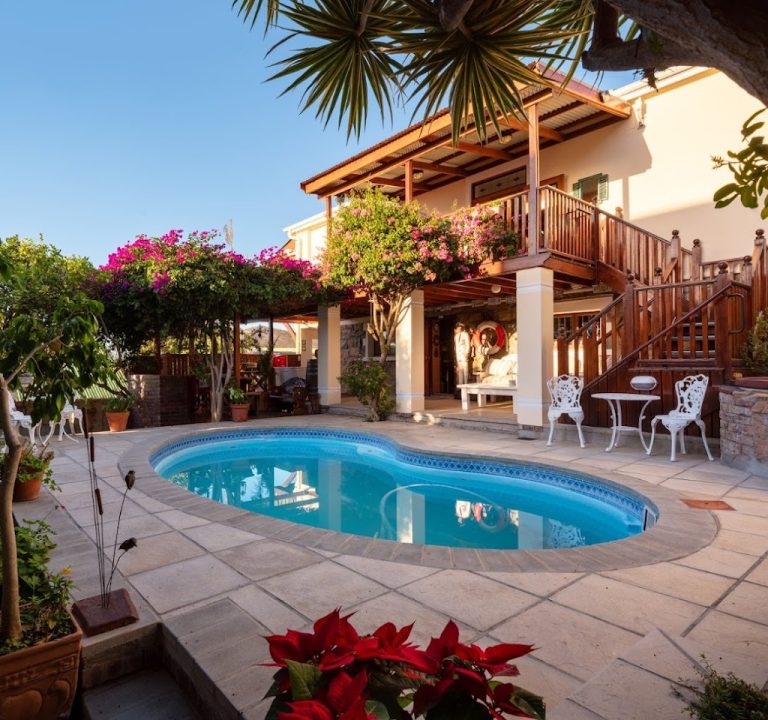
Cape Town is a city of great contrasts, where leafy estates sit beside dramatic coastlines and world‑class dining sits alongside intimate guesthouses. When planning a stay, consider both your preferred pace and the areas that best suit your interests. A well‑located base makes it easier to explore the city, its beaches, winelands and wildlife experiences without long daily drives. For a versatile option, a self‑catering holiday home such as Karibu Cottage Simonstown can offer a cosy, independent stay with easy access to the cape’s southern coastline and penguin haunts, while still being within reach of central Cape Town.
Where to stay matters as much as what you do. If you want city buzz and iconic views, the City Bowl and the V&A Waterfront area deliver convenience, vibrant dining scenes, and proximity to the Cable Car for Table Mountain. For beaches and sunset walks, Camps Bay, Clifton, and Sea Point are popular choices, each offering a different flavour of coastal living. For wildlife and nature lovers, the Atlantic Seaboard corridor provides stunning scenery with easy access to coastal trails. Head to the southernmost tip for nature reserves and sweeping ocean vistas, or consider Constantia for wine estates and green hills just a short drive from the city.
When booking accommodation, look for practical amenities that will save you time and money. Essential elements include reliable Wi‑Fi for planning daily activities, a well‑equipped kitchenette or kitchen, on‑site parking or easy street parking, air‑conditioning or heating, and clear access to common transport routes. If you prefer a quieter retreat, a cottage or guesthouse with a private entrance and a small outdoor seating area can provide a relaxing base after day trips to the Cape Peninsula or the winelands. If you’re travelling with family or a group, an apartment or holiday home with multiple bedrooms and a living room can offer better value and space than multiple hotel rooms.
Transport is a key consideration in Cape Town. The MyCiTi bus network covers many popular routes, but for flexible exploration—especially along the Cape Peninsula and in winelands pockets—car hire or private transfers are convenient. In areas like Camps Bay or the V&A Waterfront, walkability is a real plus, while Simonstown and the Southern Suburbs are better accessed by car. Secure parking is a welcome feature in busy areas, as street parking can be limited at peak times. If you prefer a car but want to avoid city centre congestion, choose a base with easy access to major routes and a shorter drive into the northern suburbs or the peninsula drives.
Best time to visit Cape Town varies with what you want to experience. Spring (September to November) brings wildflower blooms and milder weather, while autumn (March to May) offers pleasant temperatures and fewer crowds. Summer (December to February) brings longer days and coastal activities, but it can be busy and breezy near the beaches. Winter (June to August) is cooler and rainier, yet you’ll find fewer crowds and atmospheric coastal scenery. For outdoor adventures like hiking Table Mountain or taking a scenic drive along Chapman’s Peak, aim for dry days and early starts to make the most of daylight and views.
Attractions and experiences span natural beauty, culture, and maritime heritage. Iconic viewpoints and walks abound, from Table Mountain’s summit routes to coastal paths along the Peninsula. The Cape Peninsula offers opportunities to see penguins, seals, and rugged shoreline at various viewpoints. In the city, attractions often unfold in accessible clusters—enjoying cultural museums, markets, and harbourfront experiences near the waterfront, followed by sunset suppers in nearby dining districts. For a broader sense of the region, day trips to the Constantia Valley, nearby winelands towns, and nature reserves can be rewarding, with guided tours allowing you to learn the landscape, flora, and history behind each place you visit.
Dining conversations in Cape Town are lively and diverse. You’ll find everything from casual cafés with sunny courtyards to refined restaurants showcasing South African produce and flavourful seafood. To keep plans flexible, look for accommodation with kitchen facilities or nearby markets where you can stock up and prepare a light meal after a day outdoors. If you’d rather dine out, many neighbourhoods offer a mix of modern South African fare, Mediterranean influences, and coastal seafood, complemented by sunny terraces and vibrant street life. Always check current tips on local eateries and reservations, as popular spots can book up, especially in peak seasons.
Practical planning tips at a glance:
- Choose a base aligned with your priorities—city access vs. beach access, or a quieter coastal village vibe.
- Check amenities that save time: parking, reliable Wi‑Fi, self‑catering facilities, and laundry options.
- Consider transport needs: proximity to MyCiTi routes or the convenience of a private car hire arrangement.
- Book in advance for peak travel periods, particularly around the festive season and school holidays.
- Balance beach days with nature outings and cultural experiences to avoid burnout.
For travellers seeking a flexible, home‑like stay, Karibu Cottage Simonstown offers a practical example of a self‑catering option in the region. Located in a coastal suburb with easy access to sea views and a range of day trips, it can serve as a comfortable home base while you explore the southern coastline, the penguin viewpoints, and nearby nature reserves. For more information and to view the listing, visit the property page at https://agency.capeholidays.info/listings/bedroom-self-catering-cottage/.