Accommodation and experiences in Cape Town: planning your stay in the Mother City
Cape Town offers a diverse tapestry of places to stay, from characterful guest houses in leafy neighbourhoods to stylish boutique hotels along the Atlantic Seaboard. When planning a visit, think about your priorities: coastal scenery, proximity to indoor and outdoor activities, access to dining, or a quieter residential vibe. The city’s mix of neighbourhoods means you can tailor your stay to your interests, whether you want easy beach access, mountain views, or a cultural immersion in historic districts.
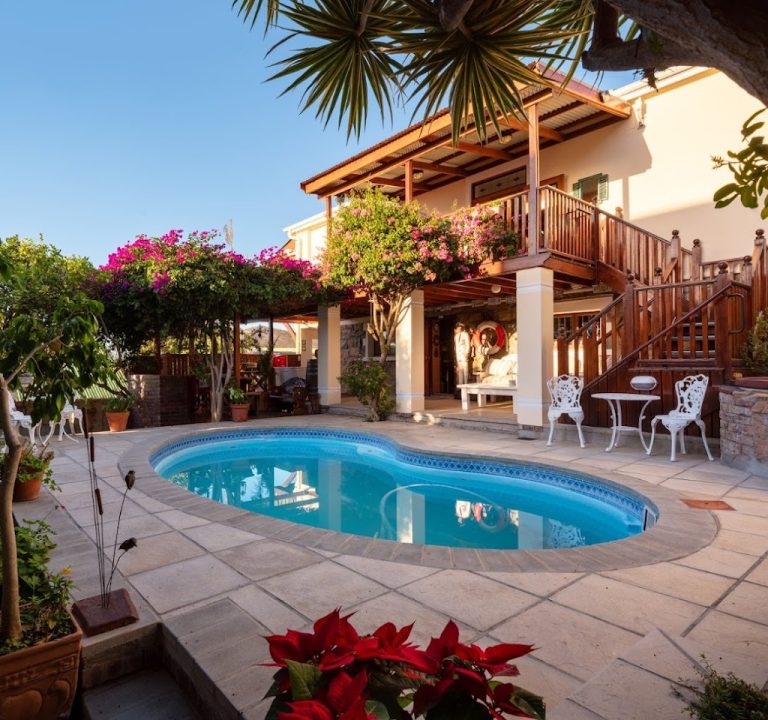
One reliable option for a comfortable and friendly stay is a guest house offering a personal touch and breakfast options. A well located guest house can feel like a home away from home, with hosts who can provide local tips on routes, eateries, and less touristy spots. For example, a traditional guest house in a central area can serve as an ideal base for day trips and short excursions, while a seaside or leafy suburb can offer more relaxed mornings and quicker access to outdoor activities.
Areas to consider when choosing a base include:
- City Bowl and the De Waterkant: central, walkable, with easy access to attractions, restaurants, and public transport.
- Atlantic Seaboard (including Camps Bay and Bantry Bay): long sandy beaches, dramatic coastline, stylish dining and nightlife, but usually a higher price point.
- Green Point and the Victoria & Alfred Waterfront: water views, convenient transport links, and plenty of dining and entertainment options.
- Constantia and the eastern slopes of the Table Mountain range: tranquil, leafy suburbs with easy access to wine estates and hiking routes.
- Southern Suburbs and the Constantia Valley: quieter streets, boutique stays, and convenient access to wine routes and nature reserves.
When you book, consider what you value most in an accommodation: the inclusion of breakfast, parking availability, security, on-site facilities such as a pool or communal lounge, and the host’s willingness to share local knowledge. For stays centred on nature and outdoor activities, a guest house with a straightforward transfer option to Table Mountain, Kirstenbosch, or coastal paths can save time and enhance your days elsewhere.
Typical amenities worth looking for include en-suite bathrooms, reliable Wi‑Fi, adequate heating or cooling, and flexible check-in arrangements. A well-appointed kitchen or self-catering option can be convenient for longer stays or budget-conscious travellers. If you plan to explore vineyards or day trips beyond the city, ask about parking and range of transfer options or proximity to public transport hubs. It’s also practical to check cancellation policies and any house rules that may affect your stay, especially if you’re travelling as a family or with a group.
Transport in Cape Town is well served by a mix of public transit and ridesharing. The MyCiTi bus network provides urban routes with affordable fares, while Uber and other ride-hailing services offer convenient door-to-door travel. If you intend to explore the surrounding coastline or winelands beyond the city, a rental car can provide flexibility. Regardless of transport choices, locating accommodation within reasonable walking distance to shops, cafés, or transit stops can ease daily logistics.
The best time to visit Cape Town depends on what you want from your trip. The summer months (approximately December to February) are warm and lively, ideal for beaches and outdoor activities, though beaches can be crowded and popular spots fill up quickly. Spring and autumn offer mild temperatures and lingering colours around the mountains, making them excellent for outdoor exploration and photography. Winter (June to August) brings cooler, wetter weather but fewer crowds and opportunities to enjoy indoor attractions, markets, and cosy dining experiences. Pack layers, a light rain jacket, and comfortable walking shoes to cover the city’s varied terrains.
When planning your itinerary, mix a few must-see experiences with time to wander. In the city, you might spend a morning taking the scenic cable car or aerial tram to enjoy panoramic views of the landscape, followed by a stroll through historic districts and markets. Across the city’s peninsular and along the coast, you can combine scenic viewpoints with beaches and outdoor walks. For a broader sense of the region, consider a day trip to the Cape Peninsula or a wine-tasting tour in Constantia or nearby valleys, taking in the backdrop of the Table Mountain range and ocean vistas.
For dining, Cape Town offers a spectrum from casual eateries to elegant establishments. Look for venues that showcase local produce and seafood, along with global flavours. Many areas feature a mix of informal cafés and fine-dining rooms, with options suitable for families, couples, and groups. Booking ahead is advisable during peak seasons, and many places publish menus or sample offerings on their websites, allowing you to plan your meals around your activities.
Special stays can enrich your visit. For example, booking a guest house such as The Cheriton Guest House in Cape Town can provide a thoughtful, compact experience with a historical sensibility and a central location. Their website offers insight into room configurations, nearby conveniences, and regional accessibility, helping you align your stay with your planned activities and transport routes. You can learn more at their official site: The Cheriton Guest House.
Practical tips to finish your planning:
- Start with a rough two- or three-area plan to cluster activities and cut travel time.
- Check accessibility and direction for any trails or viewpoints to avoid long climbs in heat.
- Look for properties with clear local guidance from hosts or front desk staff about safety and transport.
- Book coastal stays early in high season to secure better rates and preferred room types.