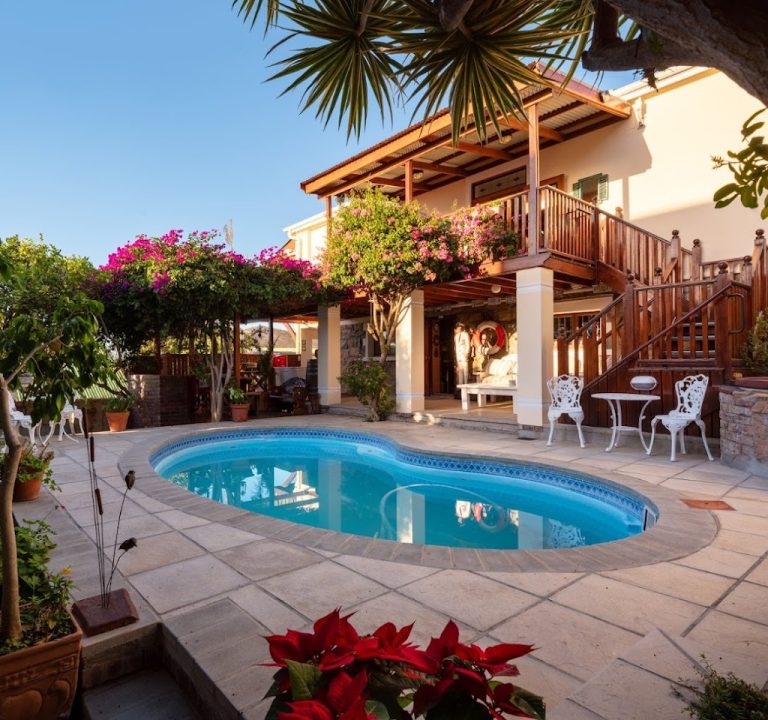
Planning a Stay in Cape Town: Accommodation, Areas to Consider, and Local Experiences
Cape Town, a city of extraordinary scenery and diverse neighbourhoods, offers a range of accommodation to suit different travel styles. Whether you prefer a chic city apartment with sunrise views over the harbour, a cosy coastal guesthouse along the Atlantic Seaboard, or a rustic lodge near the winelands, planning ahead can help you get the most from your visit. The key is to align your choice with what you want to do, how you like to move around, and the kind of ambience that makes you feel at home.
When deciding where to stay, think about accessibility to transport, safety, and the character of the area. The City Bowl and Green Point are near the heart of the action, with easy access to cafés, museums, and the V&A Waterfront. The Atlantic Seaboard, including areas such as Camps Bay and Sea Point, tends to offer dramatic coastline views and a more relaxed beach vibe. Constantia and the False Bay coast provide more rural pleasures, wine routes, and quieter streets. For a creative scene and easier access to hip eateries and markets, neighbourhoods such as Woodstock or Observatory can be appealing. If you plan day trips to the Cape Peninsula or the winelands, a stay near a major transport hub can save time.
Typical amenities vary by property type, but most travellers look for comfortable beds, reliable heating or air conditioning, secure Wi-Fi, and thoughtful touches such as a well-equipped kitchenette or access to a communal living space. Properties aimed at families or longer stays often feature washing facilities, parking, and self-catering options. If you’re travelling light, a stylish hotel room with daily housekeeping, a private concierge service, and on-site dining can be especially convenient. For those seeking sustainability, many places emphasise energy efficiency, recycling, and water-wise practices, which can be a meaningful consideration in Cape Town.
To help you plan a practical stay, consider these planning essentials:
- Location relative to the things you want to do: mountain access, beaches, or city sights.
- Transport options: proximity to MyCiTi or railway links, convenience of rideshare services, and parking if you’re driving.
- Room configuration and flexibility: en-suite bathrooms, separate living spaces, and accessibility features if needed.
- Whether breakfast is included, or if you’ll be dining out for most meals.
- Safety and neighbourhood vibe, particularly after dark in busier districts.
- Sustainability and waste management policies, water usage during drier months.
Best time to visit Cape Town typically spans from late spring to early autumn in the Southern Hemisphere, with mild, sunny days through most of the year. December to February brings peak beach weather, while March to May and September to November offer shoulder-season perks such as fewer crowds and pleasant touring conditions. Winter (June to August) is cooler and rainier, but can be ideal for fewer crowds and dramatic coastal scenery. If you’re planning outdoor activities like hiking and wildlife watching, check the forecast and sea conditions beforehand, particularly along the Cape Peninsula and in the surrounding nature reserves.
Transport within Cape Town is generally straightforward, though planning ahead saves time. City-centre stays provide easy access on foot to sights and eateries, with the MyCiTi bus network offering reliable links to many tourist areas and beaches. Trains connect coastal towns and some suburbs, while rideshare apps and car rentals are widely available. If you’re exploring beyond the city—towards the Winelands, Simon’s Town, or Cape Point—consider a guided tour, a day trip with a reputable operator, or a rental vehicle with a flexible return. Many guesthouses and hotels can arrange airport transfers or provide local guidance on the best routes and travel times.
Attractions in Cape Town span natural beauty, history, and culture. Iconic viewpoints reveal dramatic panoramas of Table Mountain and the Atlantic coastline. Nature reserves and table-top walks offer easier routes for all fitness levels. In the city, galleries, markets, and waterfront promenades provide frequent opportunities to explore South Africa’s heritage and contemporary arts scene. Dining in Cape Town is diverse, from casual seaside bistros to sophisticated eateries, where menus showcase fresh seafood, seasonal produce, and regional flavours. When planning meals, you can expect menus to reflect the city’s multicultural influences without fixed prices or claims; try a mix of markets, casual cafés, and well-regarded restaurants to experience the breadth of local dining.
Practical tips for a smooth stay: book well in advance for peak seasons, especially if you have specific neighbourhoods in mind. Bring a light layer for cooler evenings near the coast, and a hat and sunscreen for daytime glare. Respect local water guidelines during dry periods, and consider supporting properties that implement energy-efficient practices. If you’re unsure about a neighbourhood, ask your host or the property manager for tips on safety, best routes, and upcoming events. Always check the cancellation policy, as weather, visa requirements, or travel plans can change. With thoughtful planning, Cape Town offers a memorable blend of comfortable accommodation, striking scenery, and a welcoming, adventure-friendly spirit.
For ideas on planning and inspiration, you can explore official tourism resources and reputable travel guides online, including general information about Cape Town’s neighbourhoods, transport options, and seasonal highlights. More details can be found at official tourism sites and city guides which provide practical visitor information to help you tailor your stay to your interests. Cape Town Tourism and related regional pages can be a helpful starting point for planning your itinerary and understanding local transport and experiences. For travel beyond the city, regional transport services and day-trip operators offer a range of safe, well-organised options.