Cape Town: Accommodation, attractions and planning your stay
Cape Town offers a rich mix of places to stay and things to do, from stylish boutique hotels to comfortable guesthouses and modern lodges. When planning a visit to this coastal city, it helps to think about what kind of experience you want, how you’ll use your days, and which neighbourhoods align with your interests. The city is set against mountains, sea and harbour, so your choice of location can shape your overall pace and scenery—from hillside vistas to sandy beaches and bustling harbourfronts.
Where you stay often determines access to sights, dining and transport. Central busy districts are convenient for sightseeing and nightlife, while coastal areas provide easy beach access and a more relaxed vibe. If you are staying longer, a neighbourhood with quieter streets and good transport links can feel like a home base and help you return easily after day trips or long explorations. For a practical balance, many visitors choose to split their stay between two areas—one with easy city access and another closer to the sea or the slopes of the Table Mountain range.
What to look for when booking is guided by comfort, convenience and accessibility. Key amenities to consider include reliable Wi‑Fi, on-site parking or easy street parking rules, a well-equipped kitchen or tea/coffee facilities, and generous storage for gear if you’re visiting for outdoor pursuits. Check reviews for soundproofing, as some older buildings near busy streets can be noisier. If you’re travelling with family or friends, look for family rooms or interconnected suites. For couples or solo travellers seeking a quiet retreat, verify room layouts and access to shaded outdoor seating or a small garden. Breakfast options, if available, are a great time-saver, while a property with a good waterfront or mountain outlook can add to the stay without extra travel time.
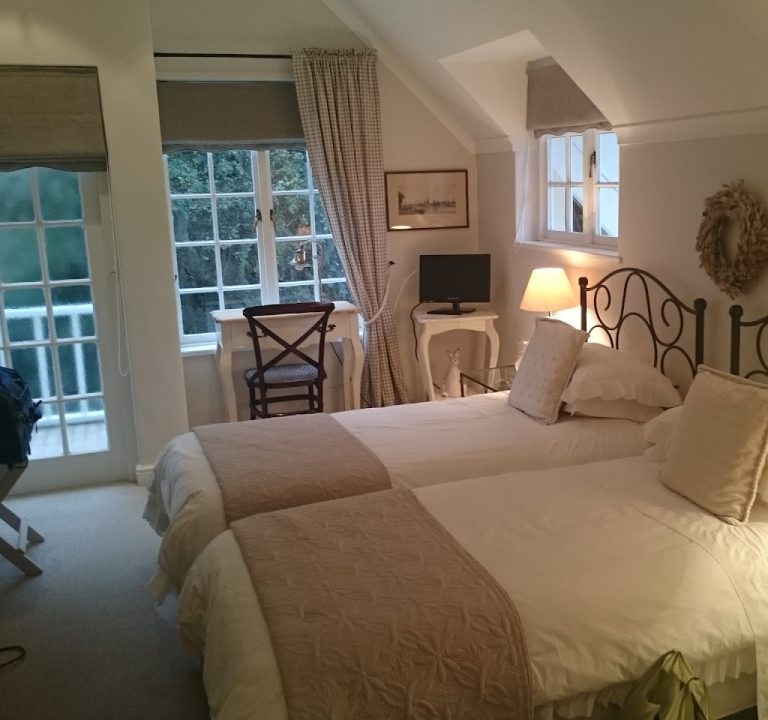
Typical comforts you might encounter in Cape Town’s accommodation range from stylishly designed rooms with en-suite bathrooms to self-contained studios and apartments. Many properties offer climate control, daily housekeeping, and thoughtful touches such as coffee stations, well-equipped kitchens, and reliable security. In some lodges and guesthouses, you’ll find communal spaces such as lounges, terraces or pools, offering opportunities to mingle with other travellers or simply unwind after a day of exploring. If you’re visiting in peak season, early booking is advisable for the best possible rates and choice, especially for seaside locations and properties with panoramic views.
Transport in Cape Town is well set up for visitors. The MyCiTi bus network provides routes across the city, including to popular beaches and the V&A Waterfront. Taxis and rideshare apps are plentiful for short trips, and some properties offer shuttle services or bike rental. If you plan to explore beyond the city centre, consider locations within a short drive of the scenic route along the Atlantic Seaboard or the Constantia Valley wine route. For those who enjoy hiking, staying near Table Mountain or a line of short, scenic trails can cut travel time and add a sense of adventure to each day.
The best time to visit Cape Town is dictated by weather and crowd levels. The city enjoys a Mediterranean climate, with warm, dry summers and mild, wet winters. Summer (roughly November to February) is ideal for outdoor activities, sea swimming, and watersports, though it is also peak tourist season. Shoulder seasons—spring and autumn—often offer pleasant temperatures, fewer crowds and better value on accommodation. Winter brings cooler days and occasional rain but can be a good time for indoor cultural experiences, dining, and fewer crowds at popular sites. Plan around outdoor activities such as a cable car ride up Table Mountain or a visit to penguin colonies on the nearby coast, and check opening times for gardens, museums and markets, which can differ seasonally.
When it comes to experiences, Cape Town offers a broad spectrum. You can plan a day visiting iconic viewpoints and nature reserves, enjoy scenic drives along the coastline, or book guided walking tours of historic districts. Dining ranges from casual bistros to fine‑dining eateries that emphasise seafood, local produce and South African flavours. For those seeking culture, you’ll find art galleries, markets, craft stores and live music across various neighbourhoods. If you’re after family-friendly activities, many beaches and parks provide safe play areas and opportunities for picnics or gentle strolls with spectacular backdrops.
Practical tips to help you plan:
- Book accommodation with easy access to transit or parking if you rely on a car or public transport for day trips.
- Consider a mix of stays in different areas to experience both the city’s bustle and its coastal calm.
- Check cancellation policies and whether a property offers flexible dates in case plans change.
- Pack layers for quick changes in the weather, particularly if you plan outdoor activities on the mountains or along the coast.
- Prioritise online resources or official tourism sites for current opening times and seasonal events.
For a balanced itinerary, start with a few nights near the city centre or the V&A Waterfront to enjoy harbour views and easy dining options, then allocate time for a day trip to the Cape Peninsula’s scenic drives, the winelands region, or the penguin beaches depending on your interests. With a thoughtful approach to accommodation and timing, Cape Town can offer a memorable stay that blends natural beauty, culture and culinary discovery in one unforgettable visit.