Cape Town: a practical guide to accommodation, attractions and dining
Cape Town is a city of remarkable contrasts, where coastal beauty meets modern comfort. Planning a stay here means balancing scenery, convenience and value, while choosing a neighbourhood that matches your pace and interests. From the harbour and the City Bowl to the leafy Constantia valleys and the sandy shores of Camps Bay, there are places to suit every traveller. Among the lodging options, boutique hotels, guesthouses and self-contained apartments offer varying degrees of character and flexibility, making it easy to tailor your trip.
When selecting where to stay, consider proximity to the areas you most want to explore. If you crave ocean views and vibrant nightlife, the Atlantic Seaboard and Camps Bay provide spectacular scenery with a cosmopolitan feel. For easy access to museums, markets, and historic sites, the City Bowl and the V&A Waterfront are convenient bases with frequent transport links. For wine enthusiasts, Constantia and surrounding valleys offer tranquil, leafy streets and a more relaxed pace, while Simonstown and the Cape Peninsula offer wildlife and coastal adventures a short drive away.
What to look for when booking
- Location, location, location: neighbourhood character, views, and quiet streets versus proximity to pubs and restaurants.
- Room types and layouts: private balconies, ensuite bathrooms, safe storage, and flexible sleeping arrangements for families or groups.
- Amenities: air conditioning or heating, reliable Wi‑Fi, practical workspaces, on-site parking or easy parking nearby, and self-catering facilities if desired.
- Transport access: easy access to major roads, hop-on hop-off routes, or proximity to MyCiTi bus stops and train stations for sustainable travel.
- Guest services: helpful hosts, guided local tips, arranged transfers, and recommendations for day trips or experiences.
- Sustainability and safety: clear housekeeping practices, secure access, and environmental considerations where important to you.
Typical accommodation styles you might encounter
- Boutique hotels and guesthouses: stylish rooms with personalised service, often in historic or characterful buildings.
- Self-catering apartments: convenience and privacy, with kitchen facilities, ideal for longer stays.
- Luxury lodges and boutique retreats: higher-end experiences with curated décor and premium amenities.
- Budget-friendly guest rooms: compact but comfortable options in central areas, suitable for travellers who prioritise location over space.
Transport and getting around
Cape Town’s geography means some places are better reached by car, while others are easily walkable or reachable by public transport. If you’re staying near the city centre, you’ll likely be able to explore on foot or by taxi and ride-hailing apps. For coastal suburbs and the Cape Peninsula, a hire car provides flexibility for day trips to the Chapman's Peak Drive, Chapman’s Peak views, and the penguins at Boulders Beach. Consider a short-term transit pass for city-based sightseeing days to keep travel straightforward and cost-effective.
Best time to visit
Cape Town experiences a temperate climate with wet winters and dry summers. Peak tourist months are spring and autumn (roughly September to November and February to April) when the weather is mild, outdoor activities are comfortable, and crowds are more manageable than in mid-summer. Winter (May to August) brings cooler winds and occasional rain, but it can also be a good time for fewer crowds and lower accommodation rates. If you’re chasing Cape Town’s iconic scenery—fynbos splendour, ocean vistas, and mountain views—spring is particularly rewarding when wildflowers are in bloom and outdoor activities remain appealing.
Practical tips for a smooth stay
- Plan ahead for popular experiences and book in advance where possible, especially around the peak seasons and major public holidays.
- Check access to outdoor adventures that may require permits or guided services, such as rugged coastal hikes or animal-spotting trips.
- Pack layers to accommodate rapid changes in weather, especially if you’ll be exploring hills or the coast.
- Budget for a mix of dining experiences, from relaxed cafes to more refined venues, while leaving room for spontaneous discoveries.
- If you’re considering a wine country day trip, combine a scenic drive with a guided tasting or a cellar-loop to maximise your time.
Dining and experiences in general terms
Cape Town’s dining scene ranges from casual harbour-side eateries to contemporary bistros and fine dining establishments. Expect seafood fresh from the Atlantic, farm-to-table dishes highlighting South African produce, and cosmopolitan flavours influenced by global cuisines. For experiences, you can plan urban cultural tours, markets with local crafts, and scenic drives along the coast or up Table Mountain. While specific venues and menus can change, the city’s culinary vitality generally emphasises quality ingredients, attentive service, and a sense of place.
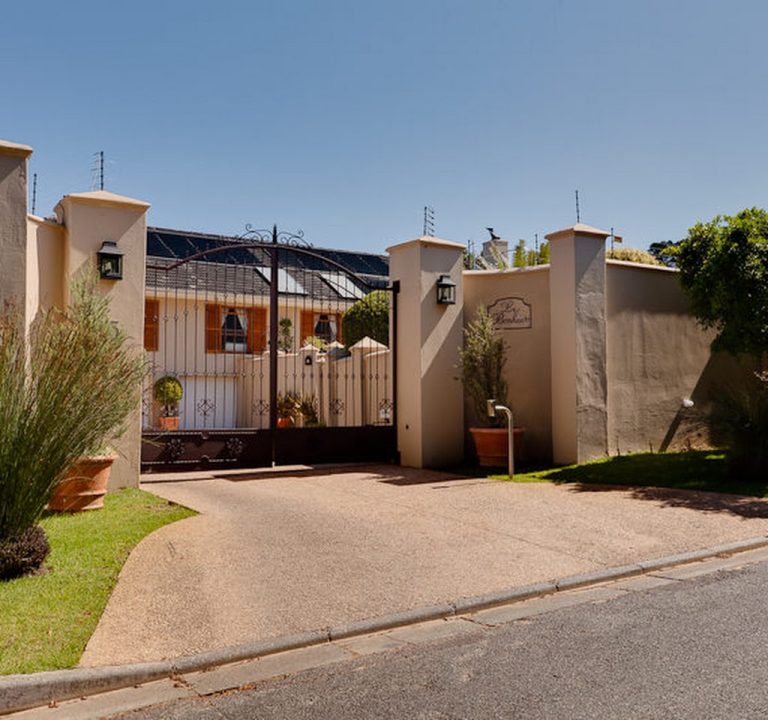
Accommodation options for a stay in Cape Town include examples such as stylish boutique properties and well-located guesthouses. An example of a modern stay is De Verdwaalde Boer, a hotel in the region that showcases approachable comfort within a convenient location. For more information, you can visit the official site at http://www.deverdwaaldeboer.com/.
Want a starter checklist before you book?
- Decide your priorities: sea views, central access, or a quiet retreat.
- Compare cancellation policies and recent guest reviews.
- Confirm what’s included in the rate (breakfast, parking, housekeeping frequency).
- Check access to public transport and parking arrangements.
- Look for clear contact details and a straightforward booking process.