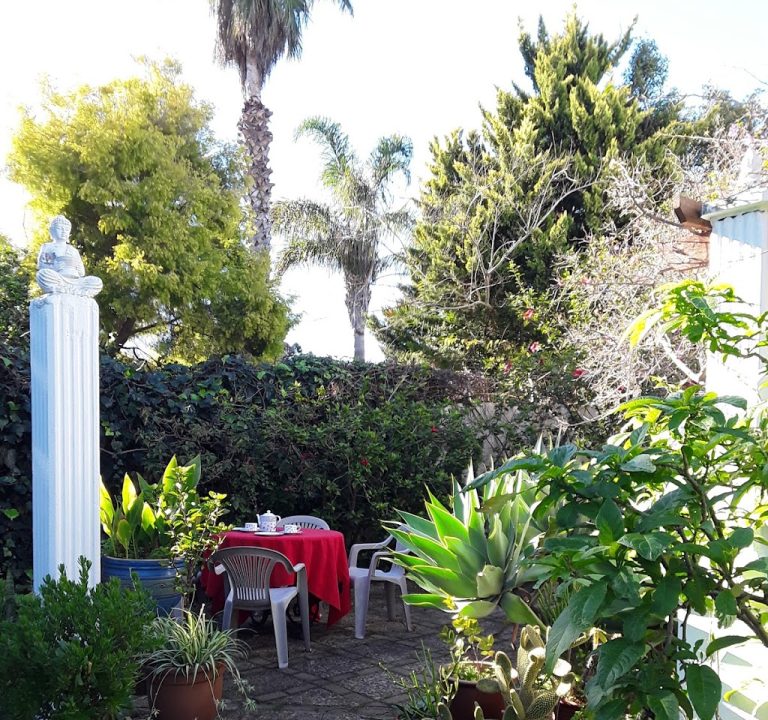
The Coach House at Hillwood is a Guest house establishment in Cape Town, Western Cape, South Africa
The Coach House at Hillwood, Cape Town: An Overview
Set against the foothills and leafy streets of Cape Town, The Coach House at Hillwood presents a characterful retreat that blends period charm with a contemporary sense of ease. While the official site hosts essential details about the property, this overview takes a broader view of what such a stay typically offers for travellers seeking a quiet base from which to explore the Western Cape’s urban and natural highlights. The Coach House at Hillwood operates as a szeret of hospitality that aims to provide a restful stopover in a city region famed for its scenic backdrop and vibrant cultural scene.
From a visitor’s perspective, the accommodation style suggested by the name evokes a sense of intimate, homely spaces—an enterprise that historically served as a coach stop or carriage house in its past. In contemporary terms, this often translates to a compact, well-arranged dwelling with private spaces that prioritise comfort and convenience. The setting in Cape Town’s Western Cape situates guests within reach of a city that has earned global recognition for its coastal beauty, dramatic mountain views, and a climate that invites outdoor exploration most of the year. For travellers who value ease of access and a more personalised atmosphere than a large hotel can offer, this kind of property can be an appealing option.
Because the available website content does not enumerate specific room types, on-site facilities, or detailed policies, it is prudent for potential guests to view the property’s official page for the most up-to-date information. When direct details are not stated, a stay of this type typically emphasises a comforting, home-away-from-home vibe with spaces designed for relaxation after a day of sightseeing, business, or leisure. Guests can generally expect to find well-kept interiors, tasteful decor, and a quiet neighbourhood ambience that supports restful sleep and easy daytime planning. The on-site experience is often complemented by practical conveniences that make short breaks convenient, whether travelling for work, a weekend escape, or a longer stay in the region.
Affording a sense of place is a hallmark of properties like The Coach House at Hillwood. The surrounding area in Cape Town offers a blend of residential charm and proximity to popular routes for exploring the Atlantic coast, the city’s historic corners, and nearby natural assets. For travellers, this means the opportunity to plan day trips or short outings with relative ease, balancing downtime at the property with opportunities to immerse in Cape Town’s famed landscape and culture. While specific attractions, dining options, and guided experiences are not itemised on the provided content, the setting itself can act as a convenient hub from which to discover nearby highlights and local favourites.
visitors seeking guidance on what to do during a stay will find that many guest‑facing properties in this category prioritise curated experiences and practical tips. This can include suggestions for local eateries, markets, short walks, and scenic viewpoints that showcase the area’s distinctive character. In addition, guests may benefit from a straightforward booking process via the property’s official web presence, along with direct links to related resources, so that planning remains simple and correspondingly flexible. The emphasis tends to be on a hassle-free stay, where comfortable rooms, reliable housekeeping, and a respectful host approach create a positive foundation for a travel itinerary.
Who is The Coach House at Hillwood best suited for? The answer, in broad terms, points to travellers who value a quieter, more private environment with a sense of place. It can be an appealing option for couples seeking a cosy retreat, solo travellers needing a convenient base from which to explore Cape Town, or small groups looking for shared, intimate accommodation that avoids the formality of larger hotels. The characterful nature of a coach house often appeals to guests who enjoy a charming, story-rich setting that complements the region’s rich heritage and scenic appeal, without demanding a high level of formality.
Practical travel tips for prospective guests include checking the official site for address specifics, booking conditions, and any seasonal variations in availability or rates. travellers are encouraged to consider transport needs in advance, given the city’s geography and the potential to rely on private hire or car rental to navigate the broader Cape Town area. A well‑planned itinerary may combine restful days at the property with focused explorations of the city’s coastal routes, Table Mountain access points, and the Western Cape’s renowned outdoor experiences. For those who appreciate a degree of flexibility, keeping an eye on direct website updates and legitimate booking channels can help secure a stay that aligns with personal timing and preferences.
- For more information and to explore current offerings, visitors can visit the property’s official website: https://coach-house-at-hillwood.business.site/
Cape Town
Western Cape
Constantia, Cape Town
South Africa


Cape Town: Where to stay, what to see, and how to plan a memorable visit
Cape Town is a city of contrasts, where dramatic coastline meets rugged mountains and a welcoming hospitality scene. When planning a stay, consider how you want to balance convenience with scenery: do you favour sweeping sea views, leafy neighbourhoods, or easy access to the city’s cultural hubs? The right base can shape your days—from sunrise walks on the shores of the Atlantic to sunset cocktails with a view over Table Mountain.
Areas to consider for accommodation include the following. The City Centre and Green Point offer good central access to sights, museums, and nightlife, with many boutique guesthouses, hotels, and self‑catering apartments within easy reach of transport links. The Atlantic Seaboard, including Camps Bay and Bantry Bay, is prized for its shuttle-free strolls along the promenade and spectacular ocean vistas. For a more relaxed, leafy escape, Constantia and Tokai provide proximity to wine estates and mountain trails, often with tranquil garden settings. Bo-Kaap, with its pastel houses and steep streets, offers convenient access to the city’s colourful history, while Hout Bay presents a laid‑back coastal vibe and a frequent gateway to scenic coastal drives. When choosing a stay, think about transport options, parking, and how much time you’ll spend on exploring by foot versus using public transport or rideshare services.
Typical amenities to look for when booking include daily housekeeping or continental breakfast, secure parking or easy street parking, Wi‑Fi, self‑catering facilities in apartments or studios, and reliable access to laundry services. If you value outdoor spaces, seek options with terraces or verandas that invite morning coffee with Table Mountain views. For business or longer stays, consider properties with workspaces, strong Wi‑Fi, and convenient in‑room facilities. Family travellers often appreciate quiet rooms, on‑site parking, and easy kitchen access, while couples may prioritise intimate settings, spa access, or boutique design touches.
Transport in Cape Town is well supported by a combination of MyCiTi buses, Uber and other ride‑hailing apps, and car rentals. Within most neighbourhoods, you can stroll to cafes and markets, but for coastal viewpoints or the Cape Peninsula day trips, a car offers flexibility. If you plan to visit popular peaks or nature reserves, starting early helps avoid queues and midday heat. For those who prefer guided insights, many guesthouses and boutique hotels can arrange day tours or provide suggestions on private guides for coaching your itinerary around nature reserves, wine routes, and historical sites.
The best time to visit Cape Town blends weather, activities, and crowds. Spring (September to November) brings blooming fynbos and mild temperatures, ideal for hikes and outdoor pursuits. Autumn (March to May) offers pleasant shoulder-season warmth and fewer crowds, while summer (December to February) is when beaches buzz with activity and events, though sun can be strong and afternoons carry a breeze off the sea. Winter (June to August) is cooler and wetter, yet the city is vibrant with cultural programming and coastal scenery that feels dramatic in overcast skies. Pack layers, a light rain shell, comfortable walking shoes, and a good sunhat for daytime explorations along the coast and in the parklands.
When exploring attractions, you’ll find a spectrum of experiences suitable for all interests. Iconic natural scenery sits alongside cultural histories, from dramatic mountaintop views and marine reserves to galleries, markets, and historic neighbourhoods. Half‑day or full‑day trips are common, whether you’re tracing the edges of Table Mountain, cruising along the Atlantic coast, or venturing to Cape Point and the Cape Peninsula’s rugged outskirts. While prices vary, most visitors are drawn to areas that offer both scenery and easy access to dining options and markets, enabling spontaneous meals with a view or a casual seaside feast after a day outdoors.
Dining in Cape Town reflects the city’s diverse culture, from seafood shacks beside the coast to elegant brasseries in the city centre and modern eateries in atmospheric neighbourhoods. Expect a mix of seafood, grill (braai) flavours, Mediterranean‑influenced dishes, and international fare that mirrors the cosmopolitan nature of the city. Local markets provide an opportunity to sample fresh produce, street food, and small‑batch treats. While exact dishes and prices vary, you’ll typically find refreshing seafood options, hearty stews,– and light, flavourful plates that showcase Cape flavours and seasonal ingredients. Many places offer al fresco dining with mountain or harbour views, making dinner part of the experience itself.
To help you plan a stay, here are practical tips to consider when booking and visiting:
- Read recent guest reviews focusing on security, quiet hours, and staff responsiveness.
- Check the proximity to MyCiTi stops or major roads if you plan to rely on public transport or car trips.
- Look for flexible booking terms in case your plans shift due to weather or activity changes.
- Booking a room or apartment with hot water readily available and good heating/cooling helps for all seasons.
- Ask about self‑catering or breakfast options to match your daily routine and energy levels for excursions.
For a distinct option to peruse during your planning, you may wish to explore boutique accommodations such as guest houses that offer a personalised stay and a local touch. One example of a guest house with a dedicated focus on hospitality can be found at the following site: The Coach House at Hillwood.
In short, Cape Town rewards visitors who mix nature with culture, and who choose a base that aligns with their daily plans, whether it’s beach walks at sunrise, mountain hikes, or evenings exploring markets and dining districts. With careful planning, your stay can be as vibrant and diverse as the city itself.
Sorry, no records were found. Please adjust your search criteria and try again.
Sorry, unable to load the Maps API.
Why Claim Your Listing?
Claiming your listing on the B&B Finder directory website is a valuable opportunity for business owners. Here are five reasons why you should consider claiming your listings:
Control Over Business Information: By claiming their listing, business owners can ensure that all the information presented is accurate and up-to-date. This includes details such as contact information, address, pricing, and available services or amenities. Accurate information helps prevent customer confusion and improves overall satisfaction.
Enhance the Listing: Once a listing is claimed, owners can enhance it by adding more comprehensive information and rich media, like high-quality photos and videos. These additions can make the listing more attractive and engaging to potential customers, thereby increasing the likelihood of bookings.
Marketing Opportunities: Claiming a listing can also open up additional marketing opportunities. Owners may be able to participate in promotional campaigns, special offers, and other marketing activities organized by the directory. This can increase visibility and attract more customers to the business.