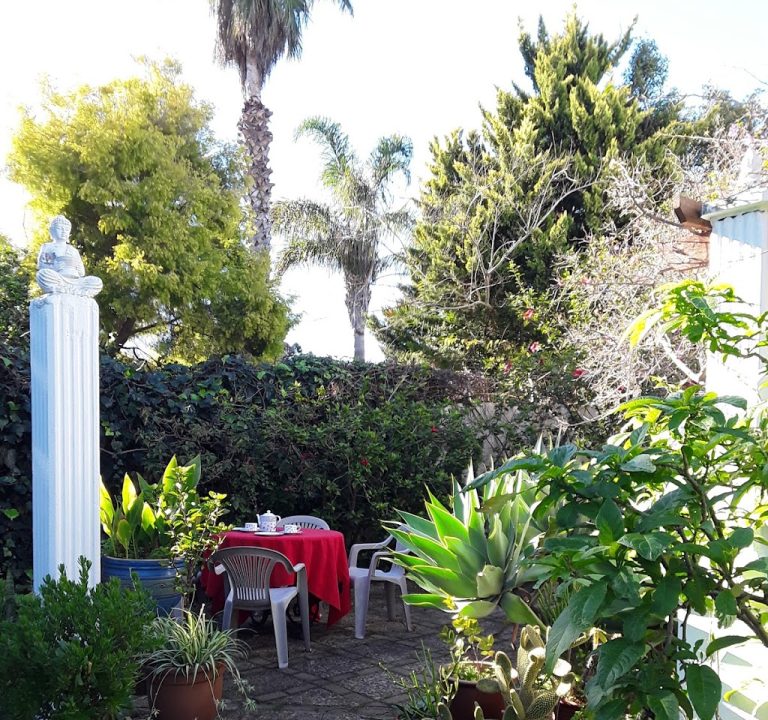
Bellevue Cottage is a Cottage establishment in Cape Town, Western Cape, South Africa
Cape Town
Western Cape
Bel Ombre, Cape Town
South Africa


Where to stay in Cape Town: accommodation options, planning tips and must-see attractions
Cape Town offers a diverse mix of neighbourhoods, styles of accommodation and experiences, making it possible to tailor a stay to almost any itinerary. Whether you are seeking a cosy sea-view cottage, a chic boutique hotel in the city centre, or a quiet guesthouse perched on the hillside, planning ahead helps you balance convenience, price and atmosphere. This guide highlights practical considerations for choosing where to stay, what to expect from typical amenities, and how to make the most of your time in this iconic South African destination.
Accommodation ranges from intimate B&Bs and guesthouses to self-catering cottages and larger boutique hotels. In coastal areas the sea breeze and views are a major draw, while in the City Bowl you’ll find easy access to dining, nightlife and culture. If you prefer wine guides and gardens, Constantia and the Constantia Valley offer leafy tranquillity and short drives to Cape Town’s southern suburbs. For a beach-forward stay with a cosmopolitan feel, areas along the Atlantic Seaboard such as Camps Bay and Clifton provide long sandy beaches and a stylish scene, whereas the Bo-Kaap and central city precincts offer cultural immersion and convenient access to museums and historic sites.
When selecting accommodation, consider proximity to what you want to do most. A stay near the V&A Waterfront and the central business district keeps attractions, eateries and day trips walkable or a short ride away. A location close to the mountains makes breezy mornings ideal for hikes or scenic drives along the Atlantic Seaboard. Think about transportation needs, too: a car offers flexibility for exploring the Cape Peninsula and wine regions, while MyCiTi buses or trains can reduce reliance on driving and parking concerns in busy areas.
Typical amenities vary by property type but generally include comfortable bedding, reliable Wi‑Fi, en-suite bathrooms, and self-contained cooking facilities in self-catering options. Boutique hotels and guesthouses often feature curated decor, standout breakfast offerings, and thoughtful touches such as private balconies, sea views, or access to shared lounges. If you are travelling with family or a group, look for multi-bedroom cottages or suites, kitchens or kitchenettes, and ample storage. For business travellers, check desk space, quiet rooms, and convenient transport links.
Practical planning tips to keep in mind as you search:
- Room configurations: confirm bed sizes, the number of bathrooms, and whether a room has a view of the ocean or mountains. Family-friendly options may offer sofa beds or connected rooms.
- Access and parking: if you are driving, verify on-site parking or easy street parking permits, as options in central areas can be limited or expensive.
- Security and safety: choose properties with secure entrances, well-lit surroundings, and clear guidance on local safety considerations.
- House rules and flexibility: check cancellation policies, minimum stay requirements, and whether earlier check-in or late check-out can be arranged.
- Local experiences: some properties partner with tour operators or offer curated experiences such as hiking routes, markets, or vineyard visits. Ask what’s on offer and whether they can tailor recommendations to your interests.
- Waste and water considerations: Cape Town’s climate means occasional water-use restrictions; some properties encourage water-saving practices or provide information on rainfall patterns and garden irrigation.
Getting around will shape your days. For short hops and sightseeing, staying near major hubs like the city centre or popular beaches makes sense. For day trips to the Cape Winelands, Cape Point, or whale-watching at Simon’s Town, a car is very convenient, though guided tours and organised day trips are a stress-free alternative. If you prefer not to drive, the city has a growing network of rideshare options and public transport, but plan extra time for peak periods.
The best time to visit Cape Town depends on your priorities. Summer (December to February) brings warm, sunny weather ideal for beaches and outdoor activities, though it can be busy. Autumn (March to May) offers mild temperatures and calmer crowds, with a dramatic display of autumn colours in the Kirstenbosch gardens. Winter (June to August) brings cooler, wetter days but good value and fewer crowds, with conditions suitable for coastal walks and cultural events. Spring (September to November) is typically pleasant, with blooming flowers in the Cape Floristic Region and pleasant outdoor conditions for hiking up Table Mountain or coastal walks.
Top sights and experiences to include as you plan your itinerary (in broad terms, without specific ticket prices):
- Iconic viewpoints: a cable car or hike up Table Mountain for panoramic city and ocean vistas, weather permitting.
- Coastal scenery and wildlife: a scenic drive along the Atlantic coast, with stops to observe penguins at a protected reserve, or a tranquil beach day in a more sheltered bay.
- Historical and cultural sites: explore the city’s districts and museums that showcase Cape Malay heritage, colonial history, and contemporary art scenes.
- Natural spaces: stroll in nearby gardens and nature reserves, or hike along trails that reveal the peninsula’s dramatic rocky coastlines and lush fynbos.
- Food and drink: savour a range of dining options from casual eateries to refined restaurants that prioritise seasonal ingredients and local produce, with opportunities to sample wines from nearby wine routes.
- Shopping and markets: visit markets and artisan shops for crafts, spices, and local foods, all within easy reach of most central or seaside stays.
For a well-rounded stay, consider pairing a city-base with a couple of restful nights in a quieter suburb or coastal village. Bellevue Cottage, if you are exploring self-catering options, can provide a home-away-from-home feel with a convenient location to access both urban highlights and sea views. When booking, read recent guest reviews to gauge consistency in cleanliness, staff responsiveness, and the real-world experience of guests with similar travel needs.
Finally, good preparation pays dividends. Pack layers for unpredictable coastal weather, a light rain jacket, and comfortable walking shoes for uneven pavements or hillside paths. Leave some space in your itinerary for surprises—the best meals, a hidden garden, or an unplanned lookout can be the highlights of a Cape Town visit. With careful planning and a flexible mindset, you can enjoy a rich blend of accommodation, scenery, cuisine and culture that makes Cape Town such a memorable destination.
Sorry, no records were found. Please adjust your search criteria and try again.
Sorry, unable to load the Maps API.
Why Claim Your Listing?
Claiming your listing on the B&B Finder directory website is a valuable opportunity for business owners. Here are five reasons why you should consider claiming your listings:
Control Over Business Information: By claiming their listing, business owners can ensure that all the information presented is accurate and up-to-date. This includes details such as contact information, address, pricing, and available services or amenities. Accurate information helps prevent customer confusion and improves overall satisfaction.
Enhance the Listing: Once a listing is claimed, owners can enhance it by adding more comprehensive information and rich media, like high-quality photos and videos. These additions can make the listing more attractive and engaging to potential customers, thereby increasing the likelihood of bookings.
Marketing Opportunities: Claiming a listing can also open up additional marketing opportunities. Owners may be able to participate in promotional campaigns, special offers, and other marketing activities organized by the directory. This can increase visibility and attract more customers to the business.