Accommodating Cape Town: stays, experiences and practical planning tips
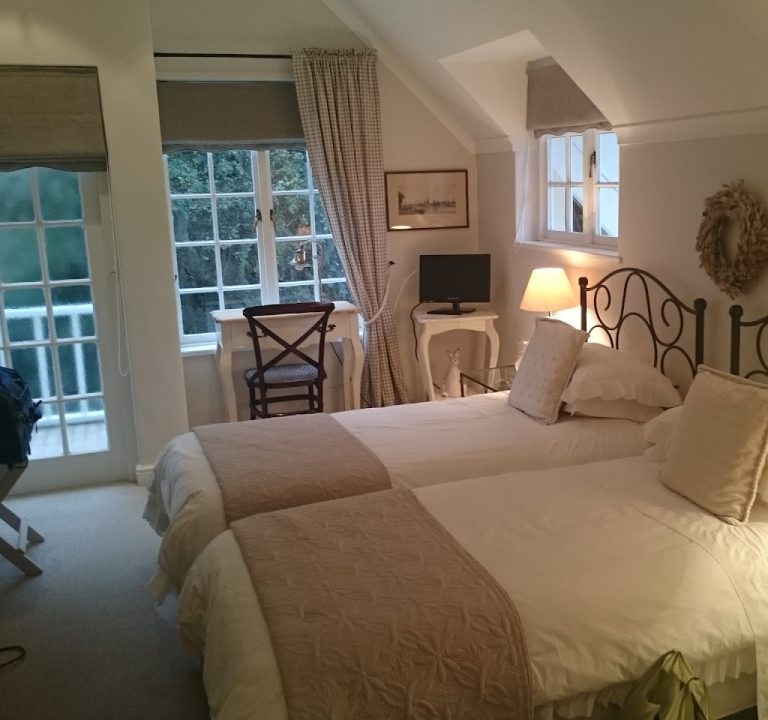
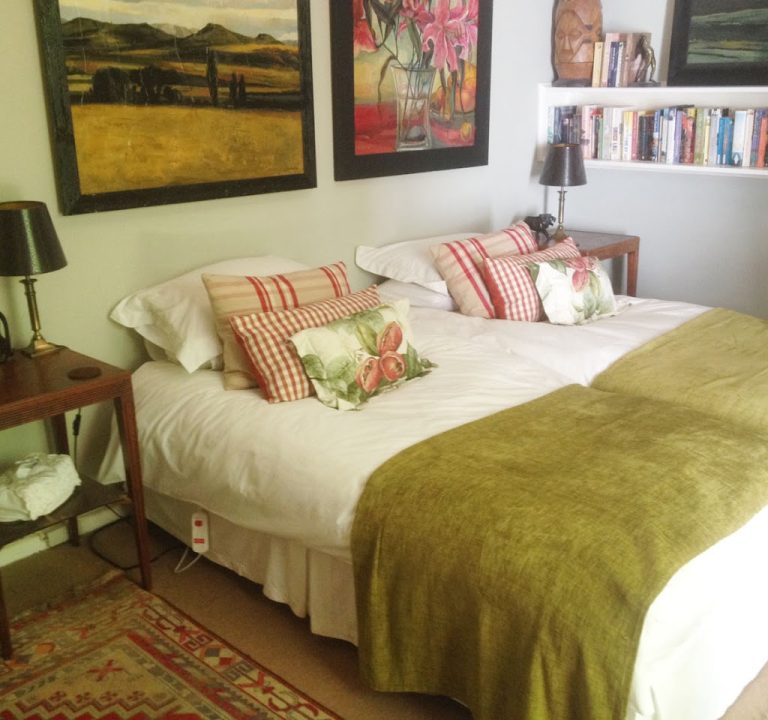
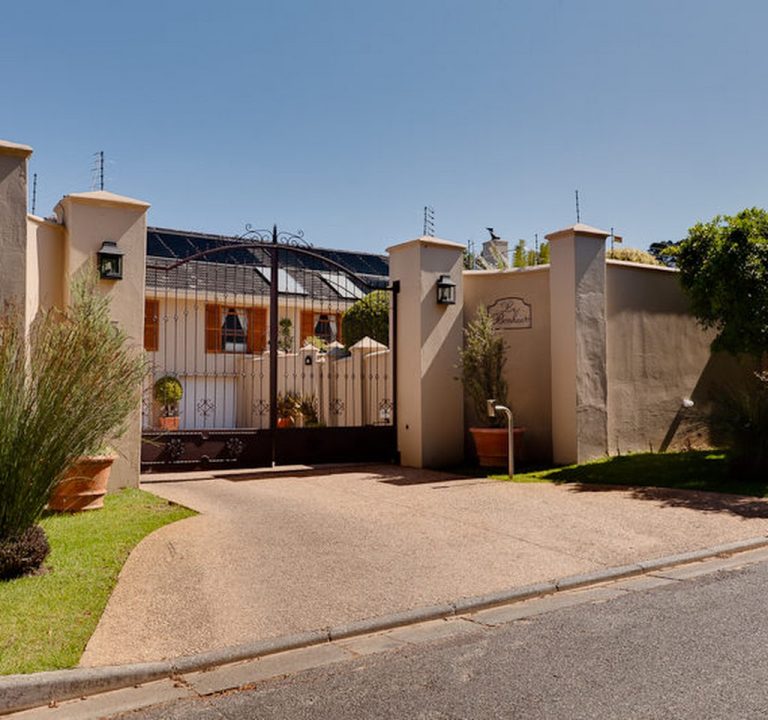
Cape Town offers a mosaic of neighbourhoods that suit different styles and budgets. From intimate bed and breakfast homes to stylish boutique hotels and family-friendly guesthouses, the key is to align your choice with the kind of experiences you want. A notable example is Kaapse Draai, a bed & breakfast that blends warmly hosted stays with convenient access to both city sights and the Atlantic coast. When selecting a base, consider factors such as proximity to beaches, hillside vistas, or easy access to the city centre for evening dining and nightlife.
Areas to consider
- City Bowl and Gardens: central, walkable, with historic streets, museums and a wide range of dining options. Staying here makes it simple to explore on foot or by short taxi hops.
- Atlantic Seaboard (V&A Waterfront, Bantry Bay, Sea Point): easy coastal walks, cafes, and sea views; good for travellers who want a mix of relaxation and quick access to outdoor activities.
- Camps Bay and Clifton: picture-perfect beaches and a cosmopolitan vibe; ideal for guests seeking stylish amenities and sunset scenery.
- Constantia and the Southern Suburbs: wine estates, leafy streets, and a slower pace; suits visitors who want a quiet base with day trips to winelands.
- Woodstock and Observatory: trendier neighbourhoods with boutique stays, creatives’ hubs and convenient public transport routes into the city.
What to look for when booking
- Light and airflow: Cape Town can be breezy and sunny; choose light, well-ventilated rooms and shade for warmer days.
- Views and access: a sea or mountain outlook is a strong asset, but ensure practical access to stairs or lifts if needed.
- Parking and transport: if you plan to hire a car, check for on‑site parking; otherwise confirm proximity to MyCiTi bus stops or ride‑hailing options.
- Kitchen facilities: many travellers value a self‑catering option or a shared kitchen, particularly for longer stays.
- Security and accessibility: verify safe neighbourhoods, secure entry systems and clear guidance on local routes at night.
Typical amenities and what they mean in practice
- Breakfast service: many B&Bs offer hearty continental or cooked options; some provide flexible breakfast times to suit early departures.
- Private or shared bathrooms: modern, well‑maintained en suites add convenience; if travelling with friends or family, consider a layout that minimises morning queues.
- Wi‑Fi and workspaces: essential for longer stays; look for reliable internet and a quiet area if you need to work remotely.
- Heating and cooling: Cape Town’s climate can vary; en suites with air conditioning or fans are helpful in peak sun seasons.
- Outdoor space: balconies, verandahs or garden areas can be a real plus for enjoying the coastal breeze.
Transport and getting around
- Self‑drive: a car offers the greatest flexibility to explore the peninsula and nearby wine regions; roadside parking in many areas is available but can be limited in busy spots.
- Public transport: MyCiTi buses connect key areas of the city centre and Atlantic Seaboard; practical for short hops and city exploration.
- Taxis and rideshares: convenient for evening meals, harbour visits, or mountain viewpoints after dark.
- Walking and cycling: many neighbourhoods are pedestrian‑friendly, with scenic coastal paths and parkland routes that are enjoyable in good weather.
Best time to visit
- Shoulder seasons (spring and autumn) offer pleasant weather, fewer crowds, and reasonable rates for accommodation.
- Summer (December to February) brings long days, sea breezes and peak beach life, but expect busier streets and higher prices.
- Winter (June to August) is cooler and misty in parts of the city, yet still mild by many standards, with opportunities to enjoy museums, cafés and wine country day trips.
Practical tips for a smooth stay
- Book early for peak periods such as school holidays and major events, especially in popular beach areas.
- Check cancellation policies and whether breakfast, parking or late‑check‑out options are included.
- Plan a mix of day trips and city days to avoid fatigue; the Cape Peninsula, Cape Point and the Constantia wine route can be done as day trips with a good plan.
- Consider safety and weather‑proofing: carry a light layer for cooler evenings, and use reliable transport options after dark.
- If you have dietary needs, confirm with your host or the hotel in advance so breakfast offerings can be accommodated.
Food and experiences to look forward to
- South Africa’s rich culinary scene is reflected across Cape Town’s dining spectrum, from casual cafés to refined eateries. While specific restaurant names vary, you can expect vibrant seafood spots near the coast, modern bistros in the city bowl, and garden‑to‑table experiences on wine estate kitchens in the suburbs.
- For a flavourful overview of local life, seek neighbourhood markets, artisan bakeries, and coffee roasters that offer a glimpse into daily Cape Town culture.
- Iconic viewpoints and natural escapes—the Atlantic coast, Table Mountain, and the Kirstenbosch National Botanical Garden—are complemented by scenic coastal drives and short hikes that suit varied fitness levels.
Useful links
- General information and travel planning: https://www.capetown.travel
- Public transport information and routes: https://www.capemetro.co.za
- Local experiences, markets and dining ideas: https://www.capetown.za
In short, Cape Town’s accommodation scene rewards thoughtful planning: pick a base that matches your pace, factor in transport needs, and mix restful days with opportunities to explore iconic landscapes, bustling markets and contemporary dining. A well‑chosen stay can become the keystone of a memorable South African escape.