Accommodation and Activities in Cape Town, Western Cape
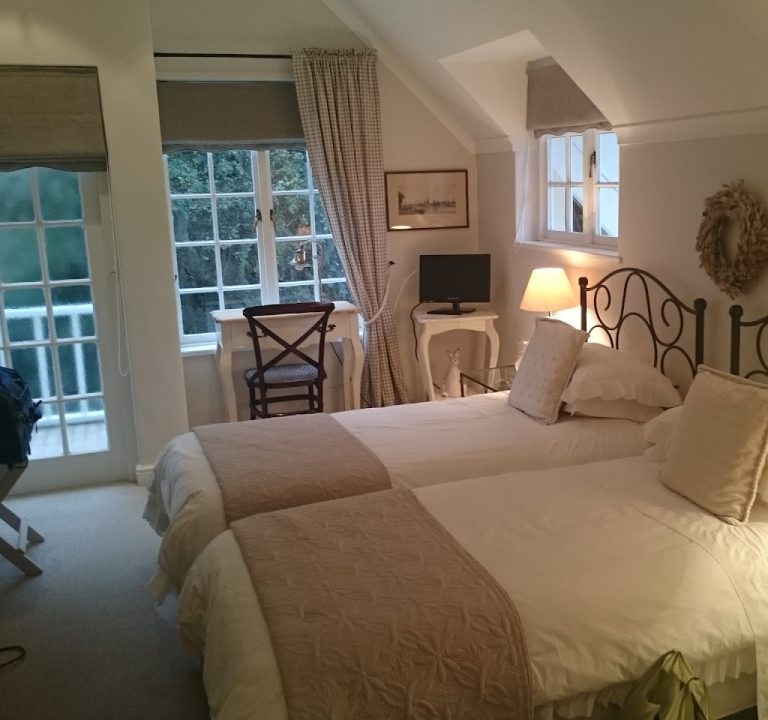
Cape Town offers a diverse range of places to stay, from intimate guest houses in leafy neighbourhoods to stylish hotels with sweeping coastal views. When planning a visit, think about what kind of base will suit your itinerary and mood: a vibrant city centre for easy access to sights and dining, a coastal pocket for beachside sunsets, or a tranquil valley retreat for days spent exploring wine routes and nature trails. Summer Solstice, a guest house in a scenic setting, exemplifies how a well-chosen home-from-home can become a centre for daily adventures and restful evenings alike.
Key areas to consider include:
- City Bowl and the Central Business District for proximity to shops, museums, and a lively dining scene.
- Atlantic Seaboard with its beaches and dramatic coastal drives.
- Constantia and nearby Constantia Valley for wine estates, green spaces, and quiet lanes.
- Bo-Kaap and the V&A Waterfront area for culture, viewpoints, and easy harbour access.
- Rondebosch or Newlands for a more residential atmosphere and convenient transport to the southern suburbs.
What to look for when booking includes the size of the accommodation, whether breakfast is provided, if there is parking on site, and how responsive the host or property management is. For a stay centred on outdoor activity, seek places with easy access to scenic routes, hiking trails, and public transport links. If you plan to drive, verify parking arrangements and security. For a city break, a central location with walkable access to eateries, markets, and nightlife can save time and taxis. Read guest reviews with an eye for consistency—consistent warmth, cleanliness, and practical amenities usually signal a well-run stay.
Typical amenities you may encounter include free Wi‑Fi, tea and coffee facilities, self-catering options, air conditioning or heating, and en-suite bathrooms. Some guest houses offer small outdoor spaces, plunge pools, or verandas with sea views. In hotels or larger lodges you may find on-site dining rooms, fitness centres, and concierge services that can assist with restaurant reservations, day trips, or guided tours. When booking, check cancellation policies and whether the rate permits modifications during peak travel seasons.
For transport, Cape Town is well served by a mix of scheduled buses, Uber and other ride-hailing services, and some areas benefit from rail connections. If you are self-driving, consider staying near major routes to the Cape Town city bowl, the Constantia wine route, or the Cape Peninsula coastal road. Many guest houses offer taxi arrangements or shuttle services at a surcharge, so it’s worth asking in advance about whether these are available and priced.
The best time to visit Cape Town is subject to weather, crowds, and what you want to do. Spring (September to November) brings mild temperatures and blooming gardens, while autumn (March to May) offers comfortable conditions and fewer crowds. Summer (December to February) is peak season with longer days and coastal activities, but it can be busy and busy prices. Winter (June to August) is cooler and windier, yet it can be a good period for museum visits, wine tastings, and more affordable stays. If you’re planning outdoor adventures, aim for shoulder seasons to balance weather and crowds, and always check local event calendars for any major festivals that could affect availability and transport.
When it comes to attractions, Cape Town offers a broad palette without needing to commit to a single itinerary. You can enjoy scenic viewpoints, harbour outings, and markets by day, with dining and live music districts providing evenings of flavour and culture. Visitors frequently combine a natural day or two—such as coastal walks, nature reserves, or a short drive to wine estates—with a city-centre immersion that includes artisan eateries and street-level culture. For dining, Cape Town’s restaurants range from casual bistros to refined fine dining, with a focus on seasonal ingredients and coastal flavours. Rather than singling out specific names, plan to explore a mix of neighbourhoods to discover something new each day.
Practical tips to smooth your stay:
- Book accommodation with secure access and clear information about neighbourhood safety and transport options.
- Pack layers to adapt to varying coastal winds and indoor climates.
- Bring a universal adapter and keep a small amount of local currency for taxis or markets.
- Check cancellation policies and waivers in advance, especially for peak travel periods.
- Consult official tourism resources for up-to-date advice on attractions, weather, and road conditions.
For planning ideas and inspiration, reputable tourism sites offer broad overviews of routes, experiences, and seasonal highlights. You can also explore guest reviews and host recommendations to tailor a stay that balances restful evenings with day-long explorations. Whether you choose a cosy guest house in Summer Solstice or another top-rated property, Cape Town rewards thoughtful preparation with memorable scenery, cuisine, and hospitality. For further ideas and practical guidance, visit the official tourism pages and credible travel resources before you travel.