Cape Town: A Guide to Staying, Eating and Exploring
South Africa’s iconic Cape Town blends natural wonder with a cosmopolitan edge, making it a destination that rewards thoughtful planning and a good range of base options. Whether you favour a boutique guesthouse in a leafy suburb, a stylish hotel with sea views, or a self-catering apartment near the V&A Waterfront, the city offers accommodation to suit all budgets and preferences. The key is to choose a base that matches your itinerary, mobility and pace, then build a day-by-day plan around it.
Areas to consider when booking include:
- Atlantic Seaboard (Camps Bay, Clifton, Bantry Bay, the Water’s Edge near the V&A): coastal beauty, sun, and ocean breezes. Expect stylish rooms and resort-style facilities, with easy access to beaches and scenic drives along the Atlantic coast.
- City Bowl and Gardens: a central hub for culture, dining and easy access to museums and theatres. Great for guests who prefer walking to sights and a wide choice of eateries on the doorstep.
- Green Point and the V&A Waterfront: vibrant nightlife, promenades and harbour views. Ideal for those who want closeness to shopping, waterfront attractions and easy transport links.
- Constantia and surrounds: leafy, wine-country vibes with guesthouses and boutique hotels, often in quiet, scenic settings a short drive from the city centre.
- Bo-Kaap and the city centre: historic charm, colourful streets and a compact base perfect for short stays or first-time visitors keen to walk to many sights.
When booking, look for these typical amenities and features to help you enjoy a comfortable stay:
- Reliable Wi‑Fi, privacy and secure access, and clear housekeeping schedules.
- Complimentary breakfast or easy access to cafés and markets nearby.
- Parking options (on-site or secure street parking) and convenient transport links.
- In-room facilities such as air conditioning or heating, a well-equipped ensuite and a dedicated workspace if you need to work remotely.
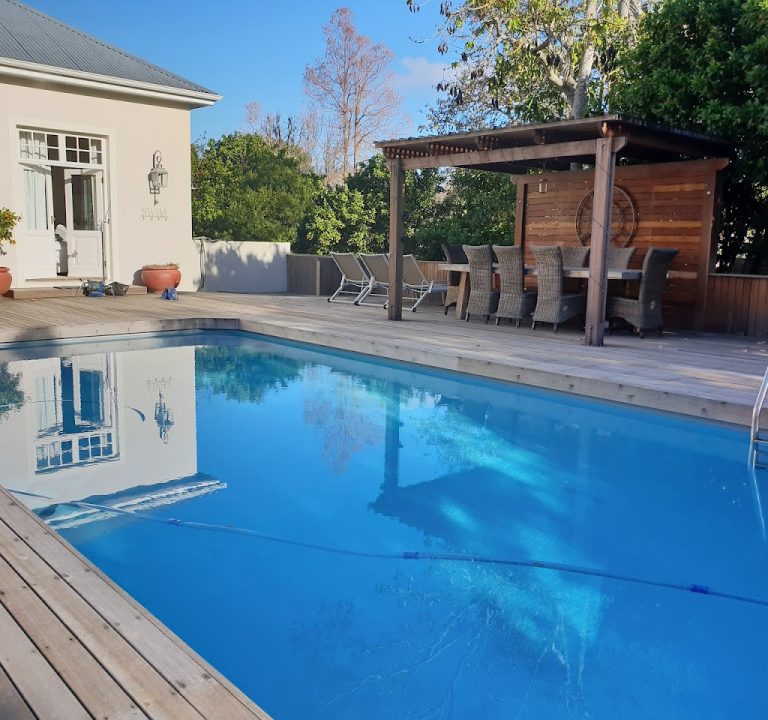
- Common facilities like a pool, garden or terrace, and good soundproofing in busy parts of the city.
- Flexible check-in/out and helpful on-site staff who can offer local tips and door-to-door directions.
Practical planning tips for a smooth stay:
- Public transport: Cape Town’s MyCiTi bus network covers many tourist zones, while Uber and car hire remain popular options for reaching the surrounding areas and vineyards. If you plan early morning excursions to places like Table Mountain or Cape Point, a well-timed transfer or private day trip can save time.
- Best time to visit: spring (August to October) brings wildflowers and pleasant temperatures, while late summer (November to February) offers long, sunny days ideal for beachside exploration. Autumn (March to May) provides milder weather and fewer crowds, and winter (June to August) is cooler with occasional rain—great for city museums and indoor experiences.
- Safety and etiquette: stay in well-reviewed areas, lock doors and windows, and use trusted transport after dark. Keep personal belongings secure in busy markets and waterfronts, particularly on busy nights.
- Food and drink: Cape Town’s dining scene is diverse, from seafood and farm-to-table fare to Cape Malay curries and contemporary European cuisine. Many venues offer tasting menus alongside broader à la carte options, with seasonal menus reflecting local produce.
- Walking and accessibility: some historic streets are uneven, especially in Bo-Kaap and parts of the city centre. If mobility is a concern, choose accommodation with easy lift access and ground-floor access where possible, and plan sights with minimal uphill sections for the day.
Attractions and experiences to consider during your stay (in general terms):
The world-renowned Table Mountain offers dramatic views and a choice of cable-car access or hiking routes. Robben Island provides a profound glimpse into South Africa’s recent history, reachable by ferry from the harbour area. The Kirstenbosch National Botanical Garden showcases Cape biodiversity and seasons well, with walking trails and shaded picnic spots. The Cape Peninsula, including Cape Point and the scenic Atlantic coastline, invites dramatic drives and photo opportunities. The V&A Waterfront combines shopping, harbour views and family-friendly activities, while nearby markets and street food stalls capture the city’s multicultural flavour. For wine lovers, day trips to Constantia, Stellenbosch, or nearby Stellenbosch–Franschhoek entries offer vineyard experiences with views and cellar-door tastings.
Dining and neighbourhood finds can be as varied as the geography itself. In Cape Town, you might try casual cafés for breakfast blends and light lunches, or bistros and restaurants that celebrate seasonal produce and pan-African influences. If you’re seeking a boutique stay or a distinctive base, you may come across properties that highlight design-led interiors or intimate, personalised service. One example of a boutique option to consider is Warblers Nest, a property positioned within the city’s broader accommodation mix, offering a tranquil base with easy access to surrounding sights and routes. Details and availability are best checked directly with the property’s official site or reputable booking platforms.
To help you plan a balanced stay, here is a concise checklist:
- Choose a central base that minimises long transfers between mornings, sights and meals.
- Prioritise properties with transparency about facilities, safety features and access to parking or transit.
- Confirm breakfast and dining options, especially if you have early starts for excursions.
- Pre-book key experiences (Table Mountain, Robben Island ferries) where possible, while leaving some flexibility for weather and spontaneous exploration.
- Pack adaptable clothing for layered weather: mornings can be cool, afternoons mild to warm, with sun exposure requiring sun protection.
Cape Town rewards travellers who mix nature, history and culinary discoveries with thoughtful accommodation choices and sound planning. With a comfortable base, scenic day trips and a culinary scene that reflects its heritage, the city invites both relaxed breaks and immersive experiences. Enjoy the journey as you map your own Cape Town itinerary, from sunrise Table Mountain vistas to sunset harbour strolls and beyond.