Accommodation and planning your stay in Cape Town, Western Cape
Cape Town offers a diverse tapestry of places to stay, from historic boutique guesthouses to modern hotels with sea views. When planning your visit, think about what you want from the harbourfront buzz, the hillside tranquillity, or easy access to wine estates and nature. The city is easy to navigate by car, but public transport and ride‑hailing services also provide convenient options for exploring on foot or with a light mobile footprint.
Key neighbourhoods to consider include the City Centre and Foreshore, where contemporary hotels and stylish guesthouses put you within walking distance of museums, markets, and the V&A Waterfront. The Atlantic Seaboard—encompassing areas such as Sea Point, Green Point, and Camps Bay—offers dramatic ocean views, promenades, and a more resort-like atmosphere. For quieter lanes and leafy scenery, the Constantia Valley is famed for its wine estates and breakfast-enabled lodges. The Southern Suburbs, including areas like Newlands and Claremont, provide a more residential feel with easy access to table mountain trails and family-friendly eateries. For a more rugged coastal vibe, Hout Bay and the Atlantic coast around Table View offer fresh air, seafood, and longer beach stretches. Consider also the winelands to the south, which make for engaging day trips from many nice stays near Constantia or nearby towns.
When choosing accommodation, look for a few practical features that make a stay more comfortable and seamless. Proximity to transport hubs or major routes helps if you plan to explore widely. A well‑ventilated room, reliable Wi‑Fi, and clear information about check‑in and check‑out times save time and reduce stress. If you will be driving, check on-site parking arrangements or safe street parking options. For families or groups, a multi‑room suite or a compact apartment with a small kitchen can be very convenient. If you value sustainability or a sense of local character, consider guesthouses or lodges that emphasise local decor, breakfast options, and shared spaces that encourage interaction with fellow travellers.
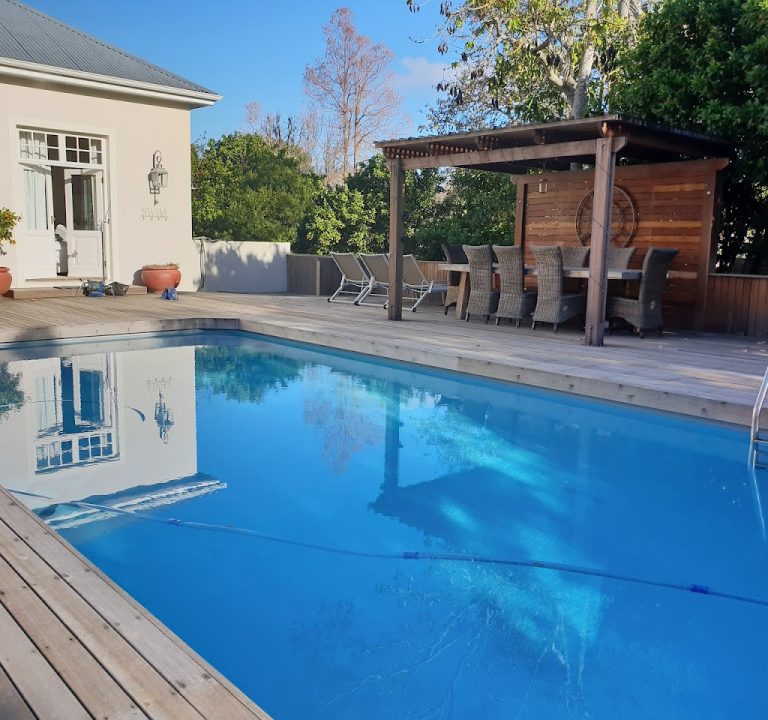
Typical amenities you might encounter include free Wi‑Fi, en suite bathrooms, housekeeping, air conditioning or portable fans, tea and coffee facilities, and sometimes self‑catering options. Many properties offer breakfast either included or as an optional extra, and some guesthouses feature communal lounges, outdoor terraces, or swimming pools. In Cape Town, a good balance of comfort and practicality is common, with some places offering basic kitchens or kitchenettes for guests who prefer self‑catering during longer stays.
Transport can shape how you plan your days. The MyCiTi bus network is a convenient option for sightseeing and quick hops between key areas, while Uber and other ride‑hailing services are widely available. If you are staying near the Atlantic Seaboard, walking along the promenade or taking a short drive to Table Mountain National Park can be efficient ways to fit outdoor time into busy itineraries. Some properties assist guests with local recommendations for driving routes, scenic viewpoints, and sunset spots, which can be valuable for first‑time visitors.
The best time to visit Cape Town depends on what you want to experience. Late spring to early autumn (roughly September to April) offers mild weather, longer days, and good visibility for outdoor activities. Summer can be lively, with beach culture and outdoor dining in full swing, though it may be windy near the coast at times. Autumn and winter (May to August) bring cooler conditions and occasional rain, but also quieter streets and potential value in certain areas. For wine lovers, a stay near Constantia or nearby estates can tie in nicely with harvest periods and scenic views. If you enjoy outdoor adventures, plan to spend a morning on Table Mountain or along the scenic coastline when the weather is clear, and leave a flexible afternoon for a return to a comfortable base for a relaxing evening.
Practical tips to help you get the most from your stay:
- Check security measures and reception hours, especially for late arrivals.
- Ask about electricity outages (load shedding) and whether the property has backup power or heating options for comfort during outages.
- Verify bed configurations and whether rooms face busy streets or noisy areas, particularly in peak season.
- Clarify breakfast arrangements, parking, and access to self‑catering facilities if needed.
- Read guest reviews for real‑world insights on comfort, cleanliness, and service levels.
- Plan day trips early and reserve popular activities in advance during peak periods.
As a reference point for an example stay, consider Karibou Guest Lodge, a compact property that showcases the value of a well‑located, comfortable base with friendly service. Such lodges can offer a cosy feel close to key routes and attractions, while providing a manageable footprint for longer journeys or weekend breaks.
In terms of dining and experiences, Cape Town supports a broad spectrum of options. You’ll find casual eateries offering fresh seafood, street‑style markets with local flavours, and refined restaurants that showcase contemporary South African cuisine. For most visitors, pairing a stay with a few planned experiences—such as a cable car ride to a mountaintop viewpoint, a harbour or waterfront stroll, and a day trip to coastal towns or the nearby wine estates—creates a balanced itinerary. Always leave space for discovery: the city rewards spontaneous exploration, allowing you to find tucked‑away cafés, bakeries, and neighbourhood shores you might not discover on a strict timetable.