Accommodation and Guide to a Stay in Cape Town, Western Cape
Cape Town blends mountain scenery with sparkling seas, historic neighbourhoods and a vibrant dining and arts scene. When planning a stay, consider areas that match your interests and pace, from the bustle of the city centre to the sun-drenched coastlines and the tranquil vineyards of the surrounding winelands. Whether you favour boutique hotels, guesthouses, or larger lodges, you’ll find options that balance comfort with easy access to the city’s must-see sights and hidden gems.
For a refined, leafy escape close to wine routes and golf courses, Constantia and the southern suburbs offer quiet streets, lush scenery and top-class accommodation. The Atlantic Seaboard, including camps such as Camps Bay and Clifton, is perfect for beach views, sunset walks and proximity to stylish eateries. The City Bowl and the V&A Waterfront area place you in the heart of the urban pulse, while the urban fringe around Green Point and the CBD provides convenient transport links and a lively night-time scene. If you’re drawn to a more serene, nature-forward stay, the Cape Peninsula’s southern reaches and nearby nature reserves make an ideal base for day trips to rugged coastal scenery and vantage points over the Atlantic Ocean.
When choosing where to stay, think about access to transport and parking, the size and comfort of beds, and whether the property offers practical conveniences such as on-site parking, a reliable Wi‑Fi connection, a well-equipped kitchenette or kitchen area, and a good breakfast service. For families, look for generous living spaces, ground-floor rooms or lift access, and safe, secure surroundings. If you’re visiting for work or longer stays, a dedicated workspace and flexible check-in arrangements can be valuable.
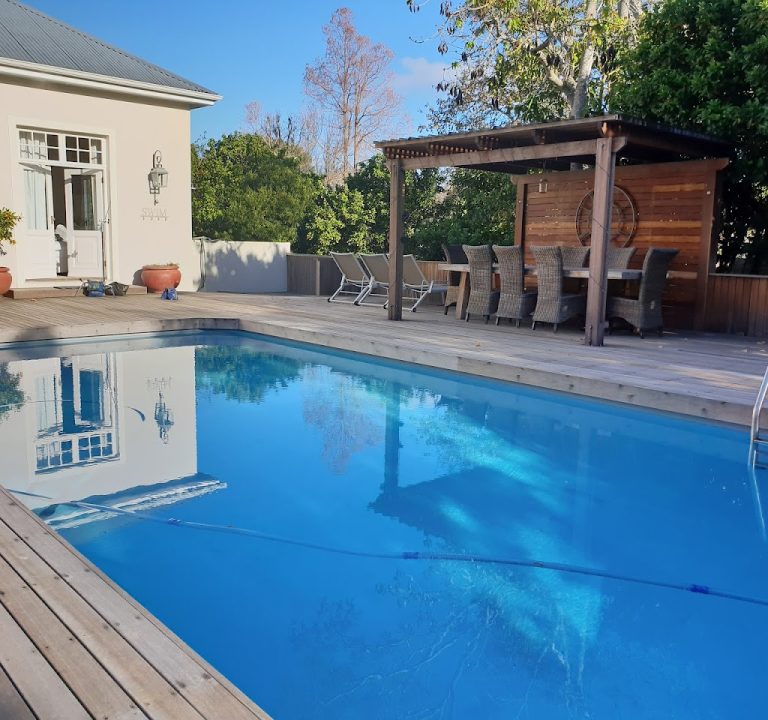
Accommodation options range from intimate boutique hotels and guesthouses to larger lodges and self-catering apartments. In well-known neighbourhoods, you’ll often encounter properties that emphasise local character—think guest rooms with balconies overlooking tree-lined streets, or boutique hotels situated in historic houses that have been sympathetically renovated. A prominent local option in the region is Alphen Villa, a boutique-style hotel that provides a refined base in a leafy setting, with attention to comfort and a personalised guest experience. Look for properties that balance stylish interiors with practical touches, such as well-insulated rooms for a restful night’s sleep and reliable housekeeping services.
What to plan for in advance:
- Transport choices: Decide whether you’ll rely on Uber or other ride-hailing services, public transport such as the MyCiTi bus network, or a rental car for greater flexibility.
- Meal arrangements: Some properties include breakfast, while others offer on-site dining or easy access to nearby restaurants and markets.
- Activity scheduling: If you’re visiting popular landmarks, book early where possible, or use a longer stay to spread out visits to Table Mountain, beaches, and the city’s museums and parks.
- Seasonal planning: The city enjoys mild springs and autumns; summers are lively but can be busy, while winters are cooler and drier. Pack layers to accommodate changing conditions near the coast and on the hills.
Attractions and experiences tend to cluster around certain themes. Natural splendour is never far away—access Table Mountain or its cable car for panoramic views, explore the scenic coastline, and take a short drive to the Cape Point reserve for dramatic headlands and coastal walks. Cultural and historical experiences sit alongside world-class natural settings: you can wander the historic districts, browse markets and galleries, and learn about maritime and colonial histories at museums. For food lovers, Cape Town’s dining scene ranges from casual seaside eateries to sophisticated restaurants, with markets and street-food hubs offering a taste of local flavours and international influences. It’s worth budgeting time to explore neighbourhood dining clusters where chefs showcase seasonal produce and maritime-inspired dishes.
Practical tips for a smooth stay:
- Safety and awareness: Keep valuables secure, use well-lit routes at night, and consult your accommodation host about safe neighbourhoods and recommended transport options.
- Water and sustainability: In certain seasons, water usage may be a consideration; many properties emphasise sustainability through recycling and energy-efficient practices. Plan accordingly and respect any local guidelines.
- Connectivity: If you rely on mobile data, check coverage in your chosen area, especially if you intend to travel to more remote spots for day trips.
- Weather readiness: Coastal winds can be brisk and sunsets rapid; bring a light layer or compact jacket for evenings by the sea, even in warmer months.
- Day trip planning: The region’s geography makes day trips appealing—set aside time for a coastal drive, a vineyard visit in Stellenbosch or Constantia, and a visit to natural reserves a short distance from the city.
In short, Cape Town rewards visitors who select a base aligned with their interests and pace. A stay in a well-situated boutique hotel or guesthouse can offer easy access to world-class scenery, vibrant markets, and a dining landscape that blends coastal flavour with global influences. With thoughtful planning, you can enjoy both the city’s energy and its quieter, restorative moments—whether you’re mornings atop a viewpoint, afternoons exploring botanical splendours, or evenings sampling regional cuisine along a hip dining stretch. For inspiration and availability, many properties publish detailed information on their official websites, including location specifics, room configurations, and guest services.