Accommodating a Coastal Stay in Coffee Bay: Where to Stay, What to Expect, and How to Plan
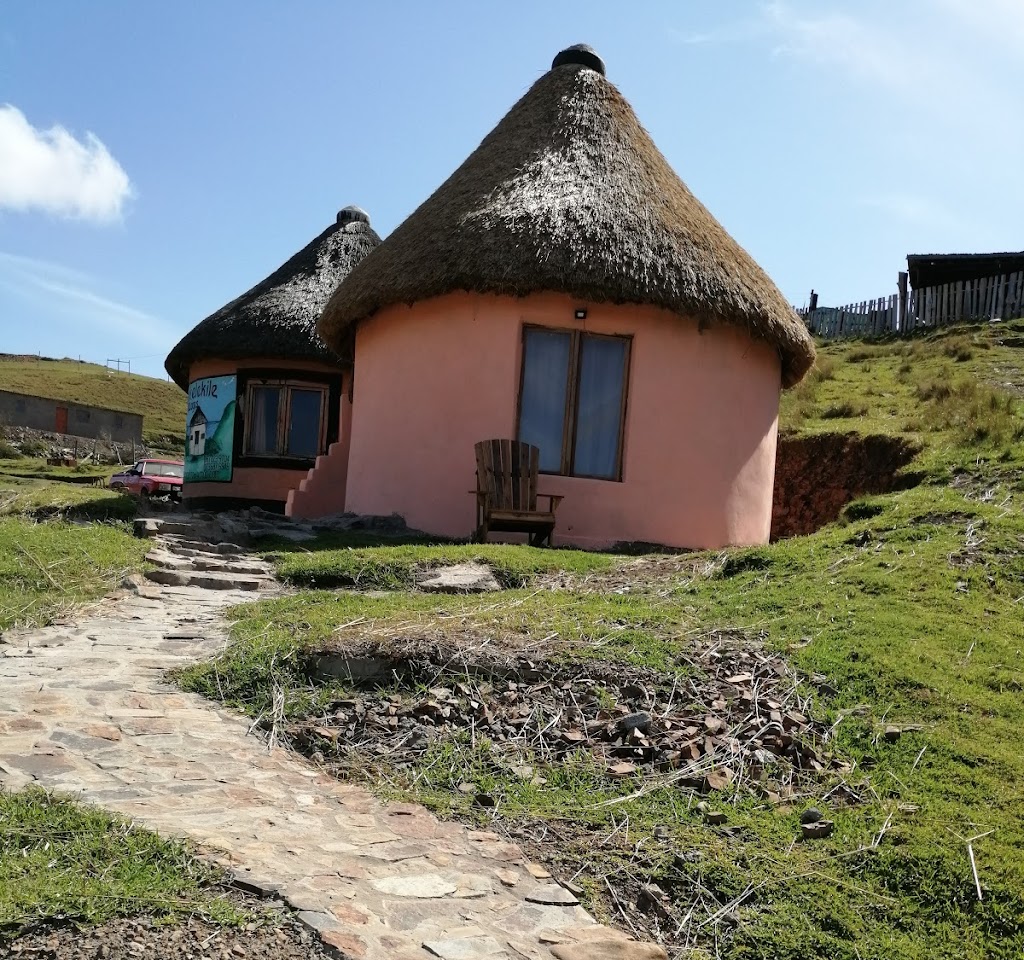
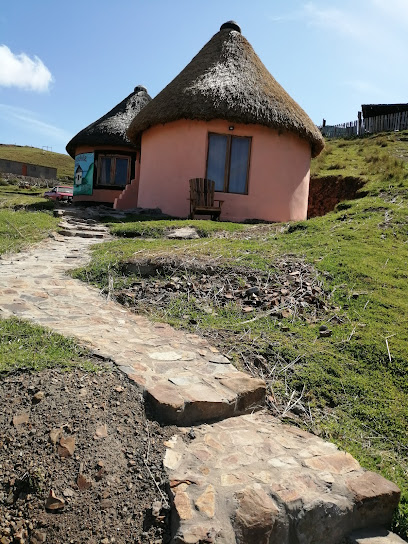
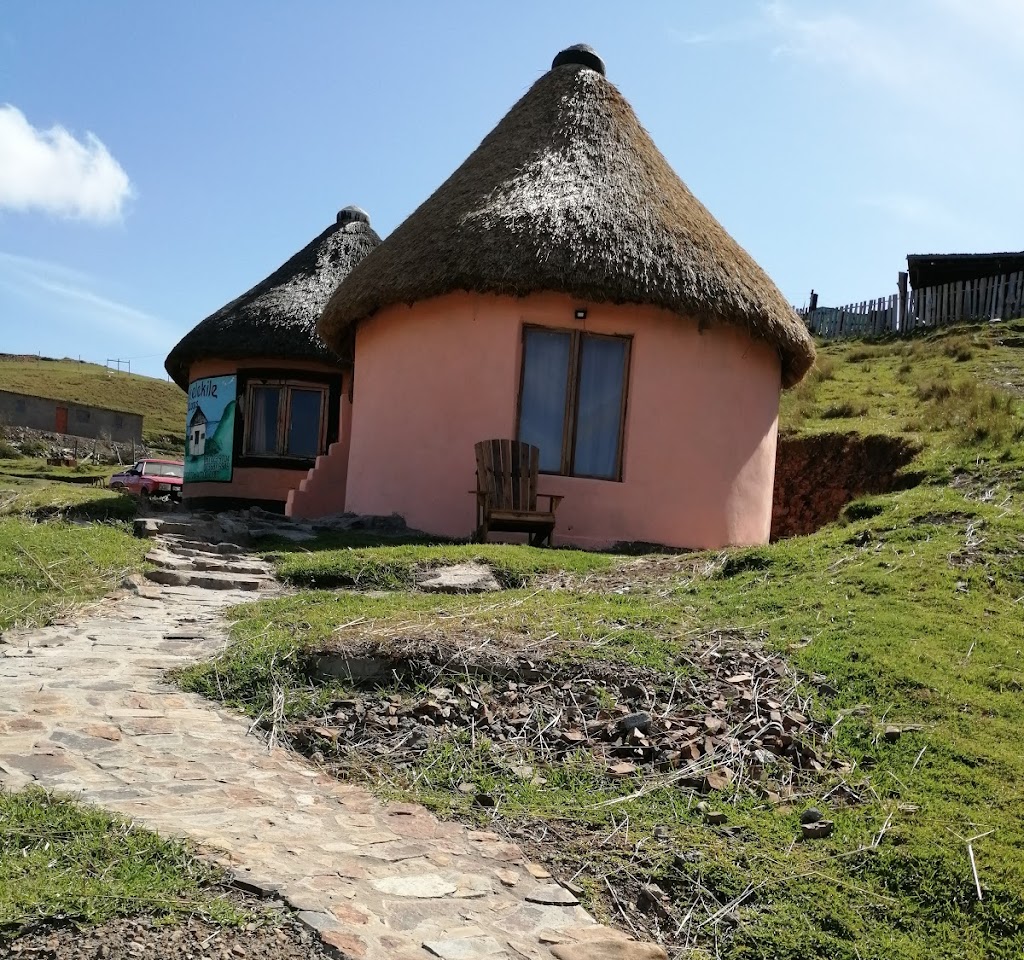
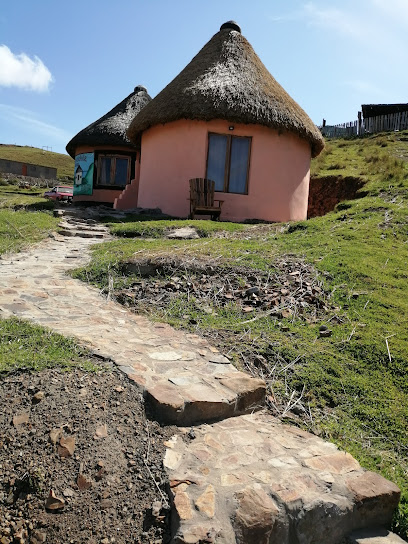
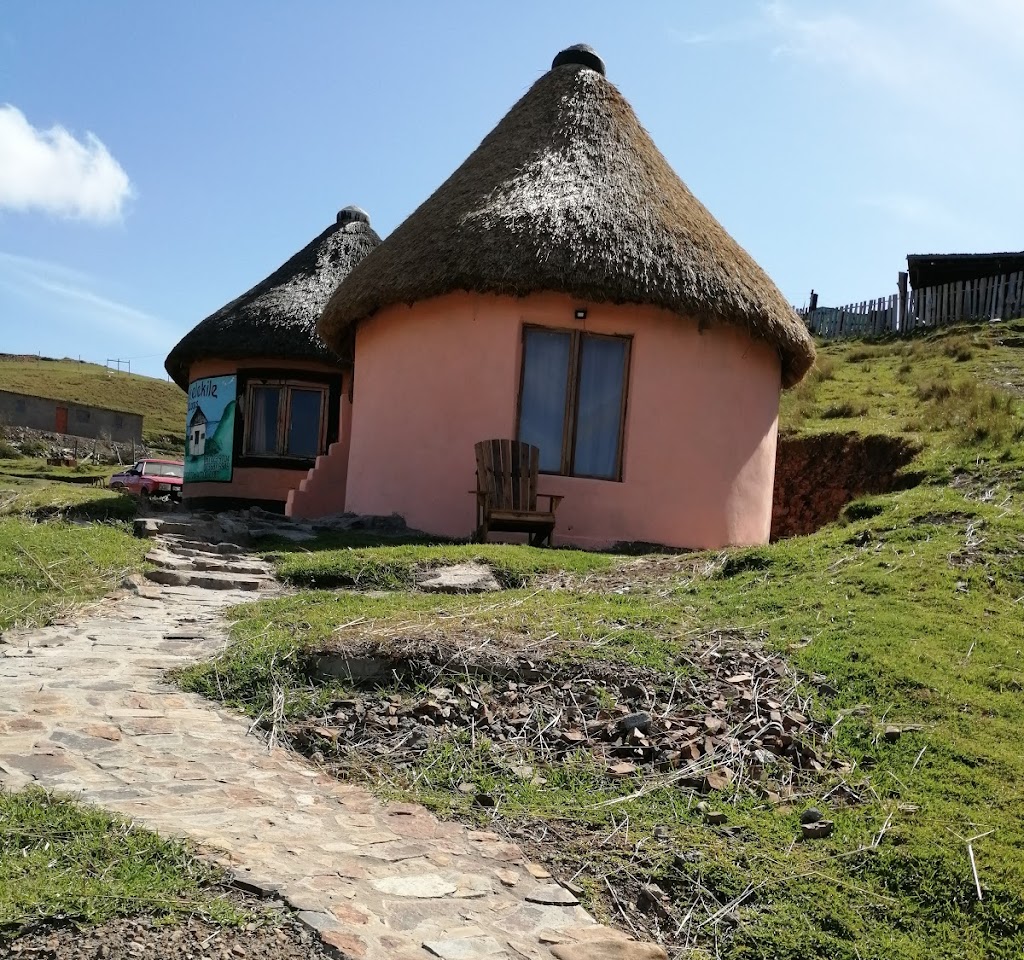
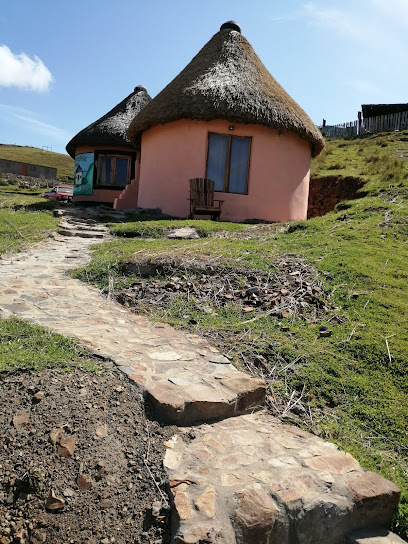
Coffee Bay is a laid‑back coastal escape along the wild eastern shoreline of the Eastern Cape, renowned for its dramatic cliffs, sandy coves and friendly, informal hospitality. When planning a stay, travellers typically weigh the character of the lodging against proximity to beaches, viewpoints and village amenities. Options range from intimate guesthouses and lodges to private self‑catering cottages embedded in gardens or perched with sea vistas. A notable example in the area is WAMKELEKILE private bathroom accommodation in Coffee Bay, which offers a compact, private‑facility option suitable for travellers seeking simplicity and convenience in a village setting. For those curious, further details can be explored via the site linked to the property’s page: https://wamkelekile.business.site/utm_sourcegmbutm_mediumreferral
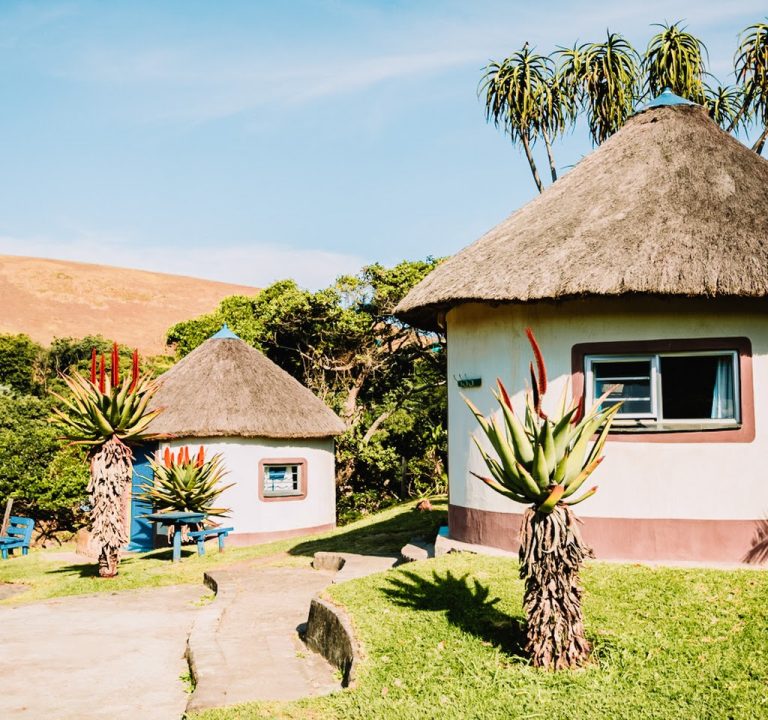
Where to stay in Coffee Bay depends on your priorities. The coast near the main village is strongest for first‑time visitors who want quick access to the beach and village facilities, including shops, cafés and trailheads. A short drive or a longer, scenic walk can connect you to more rugged stretches and viewpoints. If you prefer a quieter scene or closer immersion in nature, consider lodges or cottages set a little back from the shore, where the sound of breaking surf and birdsong become part of the daily rhythm. When selecting accommodation, look for a comfortable bed, a clean bathroom, and reliable hot water—these basic comforts make a big difference after days spent outdoors. If privacy is important, seek options that offer separate entrances or self‑contained units, which can also help minimise shared contact during your stay.
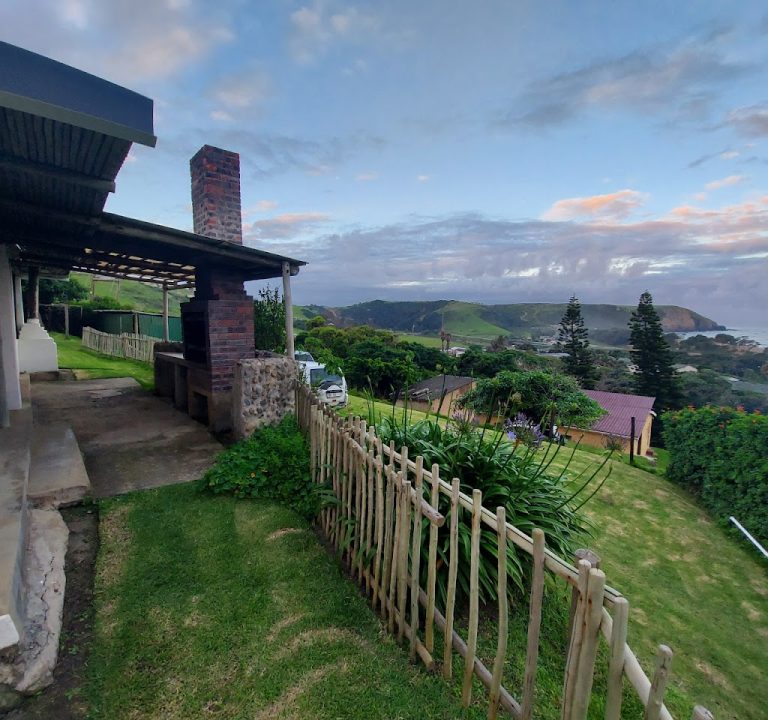
Key features to seek in a stay include: well‑equipped kitchens or kitchenettes for self‑catering, safe parking, Wifi access for staying connected, and outdoor spaces such as verandas or gardens to enjoy sunrise or sunset. A common appeal of Coffee Bay lodgings is the chance to listen to birds and surf from the comfort of your room. Many properties provide local information, maps, and tips, which can be invaluable for planning day trips and encounters with the surrounding landscape. If you have specific accessibility needs, verify room layouts and entrances with the host or property page before booking to ensure a comfortable fit.
Planning transport is the next practical step. Within Coffee Bay, the terrain is best enjoyed on foot for short explorations, with a vehicle helpful for longer itineraries or visits to neighbouring beaches and viewpoints. If you are flying into the region, consider rentals from larger towns nearby, or join local tour operators or lodge hosts who can offer guidance on transfers and day trips. Public transport is limited in some coastal stretches, so coordinating flexible travel times with your accommodation can reduce stress and help you make the most of daylight hours for beach walking and sightseeing.
The best time to visit depends on your priorities. The region experiences a temperate climate with warm summers and cooler winters. Summer months are popular for beach activities and outdoor exploration, though peak visitor periods can bring busier trails and accommodation. Spring and autumn offer milder conditions for hiking and scenic drives, with ocean breezes providing a refreshing backdrop. Winter stays may appeal to travellers seeking quieter surroundings and lower rates, though access to some outdoor areas can be more variable with rainfall. Regardless of when you travel, pack sun protection, good walking shoes, a light rain layer, and a backpack for day trips along the coast and inland paths.
What to do and where to explore in and around Coffee Bay is best planned with a flexible mindset. The coastline invites walks that reveal dramatic rock formations, sheltered coves and sweeping sea views. Surf beaches and protected swimming spots provide recreational options suitable for a range of abilities, while coastal trails offer opportunities to observe wildlife and local flora. A visitor’s day might also include a gentle stroll through the village to sample local produce or refreshments at casual eateries, followed by a sunset vantage from a bluff or cliff path. For a broader sense of the region, consider combining a coastal day with a visit to nearby natural features or cultural experiences, keeping in mind that some activities are weather‑dependent and subject to seasonal conditions.
Practical tips to help you make the most of your stay:
- Book in advance during peak seasons to secure your preferred area and room type, especially if you have specific needs or a long stay in mind.
- Ask hosts about walking routes from the accommodation to the beach and viewpoints, including any safety considerations for sea conditions or tides.
- Bring a light first‑aid kit, water bottle, and a compact camera or smartphone for capturing dramatic coastal scenery.
- Respect local customs and environmental guidelines, particularly on beaches and protected areas, and follow any posted advisories.
- Check whether your chosen lodging offers local recommendations for eateries, craft markets or guided walks, which can enhance your experience while supporting the community.
In summary, Coffee Bay offers a mix of uncomplicated lodgings and self‑catering stays that suit travellers seeking a relaxed coastal rhythm, scenic trails and a friendly village atmosphere. By prioritising clean, comfortable spaces, convenient access to the beach, and thoughtful local guidance, you can plan a satisfying stay that blends nature, culture and easy everyday comforts. Whether you choose a modest private bathroom arrangement like WAMKELEKILE or another cosy lodging, the area rewards visitors with its unhurried charm and the unique texture of its coastline.