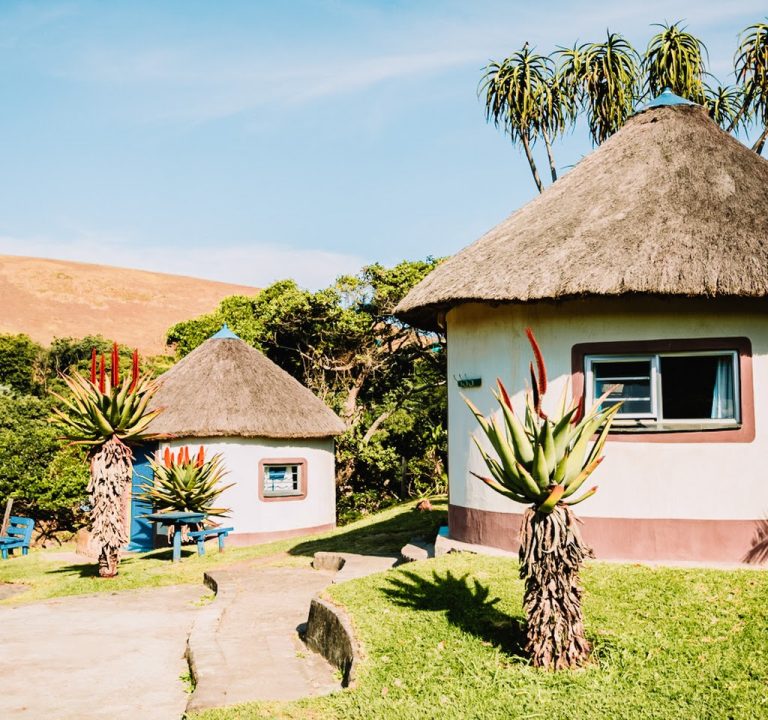
Staying in Coffee Bay: where to stay, what to expect and how to plan your visit
Coffee Bay on the Wild Coast of the Eastern Cape offers a laid‑back base for travellers seeking dramatic coastline, rugged scenery and easy access to outdoor adventures. The village is small but welcoming, with a range of accommodation styles that suit solo explorers, couples and families. From simple guesthouses and B&Bs to serviced lodges and self‑catering options, you can find a comfortable home base that puts you within easy reach of the region’s beaches, trails and cultural touches.
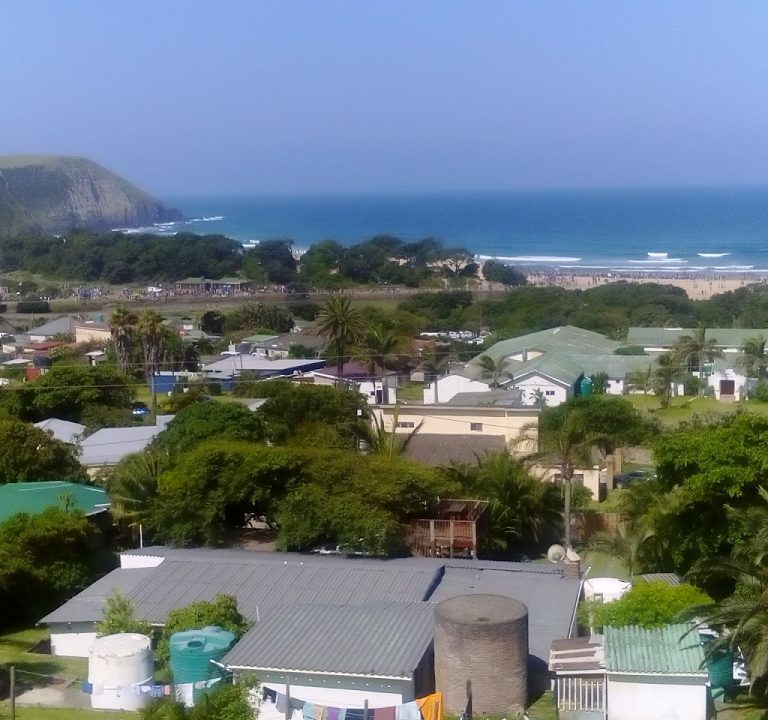
When planning a stay, start by deciding which part of Coffee Bay to use as your hub. The main settlement is closest to the beaches and surf breaks, with a few shops, cafés and small eateries nearby. A short drive can take you to more secluded coves, viewpoints and coastal paths. If you prefer a quieter, more rural setting, look a little further afield for lodges or serviced apartments perched against hillside terrain, where you may enjoy sweeping sea views from your balcony or garden. The area is compact, so most accommodation options are within a short drive or a manageable walk to the shore.
Typical options you may encounter include guesthouses with hosted breakfasts, family‑run B&Bs offering a homely atmosphere, modest lodges with on‑site staff, and serviced accommodation that provides more space and self‑catering facilities. Many properties emphasise a relaxed vibe, easy access to the beach, and a friendly, local approach to guests. Booking in advance is advisable, particularly during school holidays, long weekends and the peak season, when coastal weather and surf conditions attract a steady stream of travellers.
What to look for when booking:
- Location relative to the beach or main amenities, and whether transfers or parking are available.
- Private bathrooms, hot water reliability, and Wi‑Fi quality, especially if you plan to work remotely or stay in‑touch with family.
- House rules and availability of breakfast, self‑catering facilities, or laundry services.
- Accessibility for any mobility considerations, and the suitability of paths or stairs if you are staying on a hillside.
- Quiet hours, pet policies and whether the property offers guided activities or local recommendations.
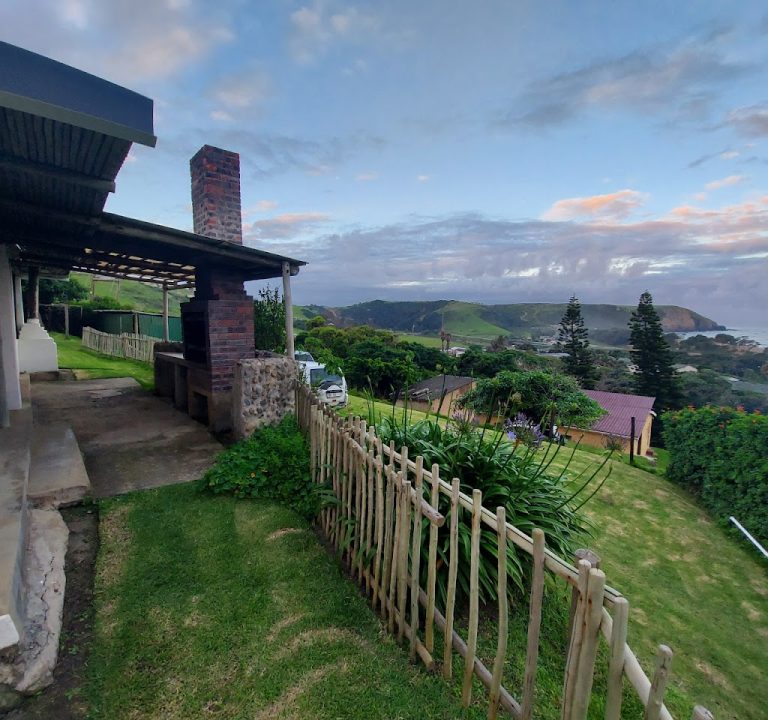
Typical amenities you can expect include comfortable beds, adequate storage, a private or shared lounge, and outdoor spaces such as verandas or gardens. Many properties provide secure parking, and some offer breakfast packs, barbecue areas or outdoor seating with sea breezes. If you rely on mobile connectivity, check whether the property offers reliable Wi‑Fi and power outlets in bedrooms. If you’re travelling during the cooler or wetter months, confirm heating or warmth‑provision such as fireplaces or portable heaters.
Transport in and around Coffee Bay is straightforward but requires some planning. The village itself is walkable in a compact centre, but to reach beaches, viewpoints or walking trails you will likely rely on a car or local taxis. If you’re arriving by air, the nearest larger gateways are regional hubs with onward road connections—coach services or car hire can simplify transfers to Coffee Bay. Driving along the coastal roads offers spectacular scenery, but be mindful of wildlife and weather conditions, especially after rain when the routes can be slippery. If you prefer not to drive, consider accommodation that can arrange guided hikes, beach trips or transfers as part of your stay.
Best time to visit Coffee Bay tends to be late spring to early autumn, when the days are longer and temperatures are comfortable for outdoor activities. The autumn and winter months bring cooler spells and occasional rain, which can be ideal for travellers seeking quiet beaches, scenic walks, and fewer crowds. Surf seasons and local events can colour the calendar, so it’s worth checking with your host about planned activities or guided excursions you can join during your stay.
Practical tips for a smooth visit:
- Pack lightweight clothing for daytime and a light jumper for cooler evenings by the coast.
- Bring sturdy footwear suitable for beach walks, rocky shorelines and short hikes, plus sun protection and a reusable water bottle.
- Confirm what meals are offered on site or nearby, and whether you’ll need to self‑cater or eat out for most evenings.
- Ask about local safety guidance and access to remote beaches or trails, especially after adverse weather.
- Check cancellation policies and any deposit requirements well in advance of your trip.
Attractions and experiences in general terms include expansive beaches for swimming or long coastal walks, dramatic viewpoints along rugged cliffs, and opportunities to learn about the area’s Xhosa heritage and traditional coastal life. A visit to the coastline can be combined with gentle day hikes, with path networks offering varying levels of challenge. Dining in Coffee Bay often centres on casual eateries and seaside cafés serving fresh seafood, hearty南 home‑style dishes and local produce. For a broader flavour of the region, consider combining your stay with day trips to nearby coastal towns or nature reserves, where you can observe birdlife, explore wetlands and enjoy scenic drives along the Wild Coast highway.
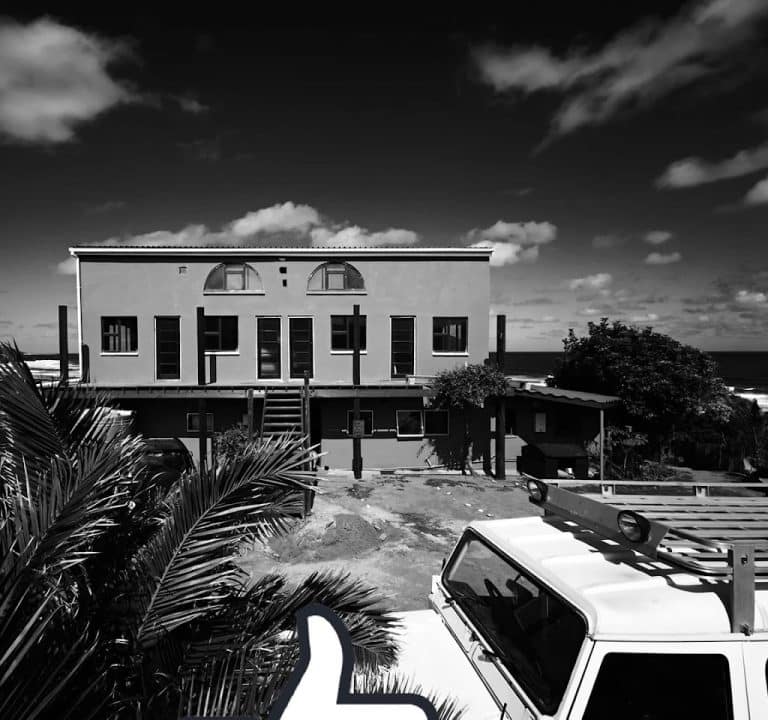
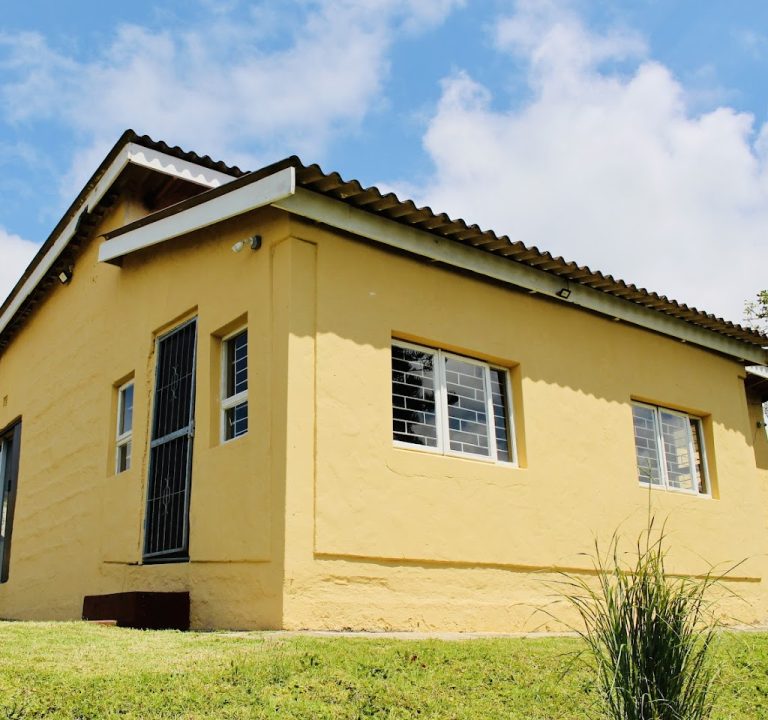
Accommodation you might consider in Coffee Bay includes serviced lodges and self‑catering options such as Coram Deo Lodge, which provides a well‑positioned base for exploration with the conveniences of a serviced arrangement. Learn more about Coram Deo Lodge at its official website: https://coramdeolodge.hotelonia.com/