Accommodation and experiences in Coffee Bay, Eastern Cape
Coffee Bay, on South Africa’s rugged Wild Coast in the Eastern Cape, offers a relaxed blend of backpacker-friendly hostels, intimate guesthouses and lodge-style stays, all set against dramatic coastline and green valleys. Whether you are here to surf, hike, or simply unwind to the sound of the sea, the area rewards visitors with warm hospitality and a sense of space that’s hard to find in more commercialised destinations.
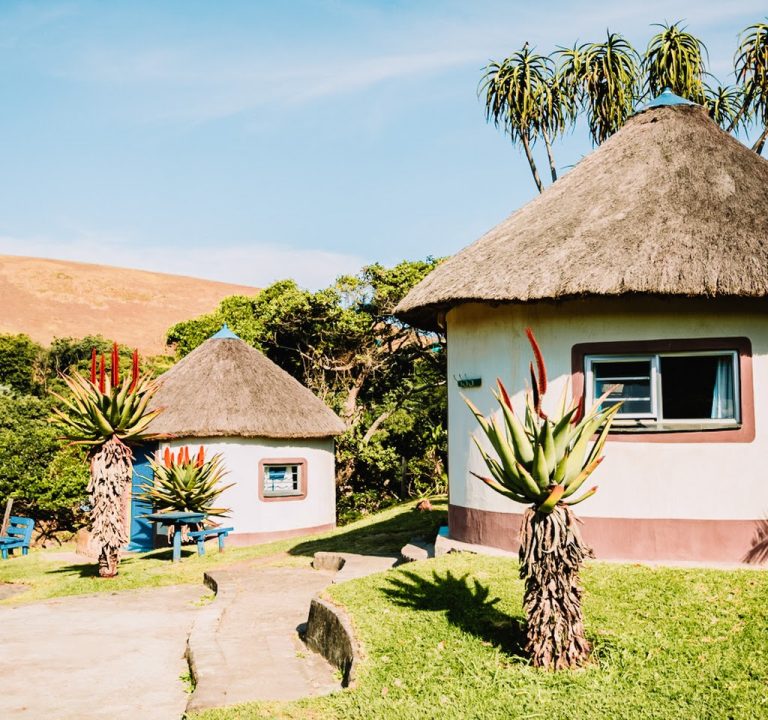
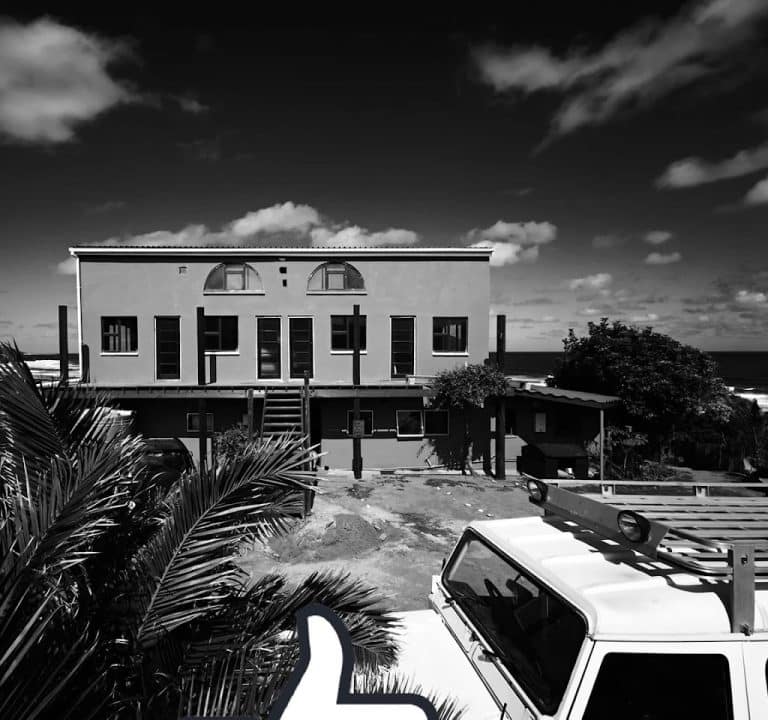
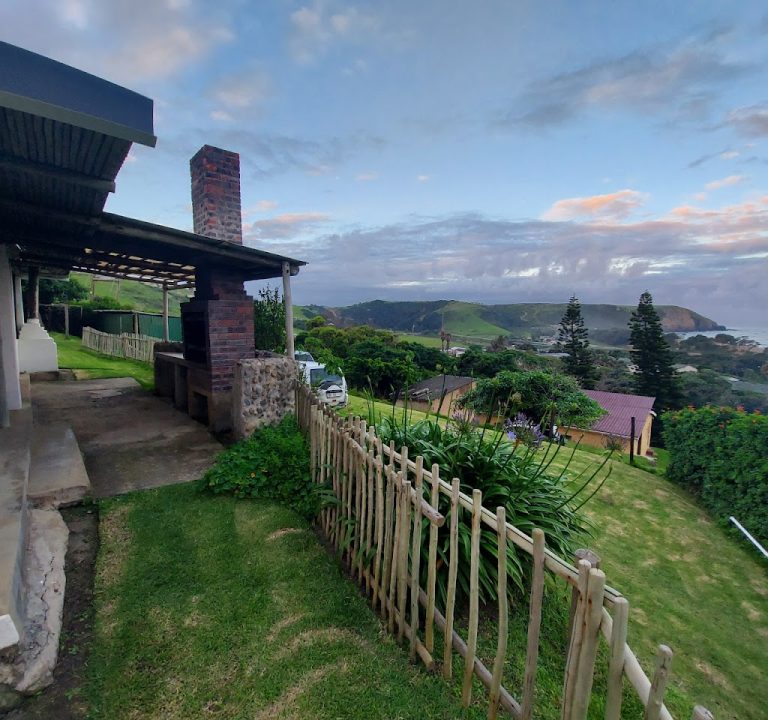
Where to stay often depends on how close you’d like to be to the main beach action, and how much you value a sense of place. The main village sits near Coffee Bay Beach, with easy access to cafés, small shops and local market stalls. A short drive or hike away are other coastal pockets such as Mdumbi, Hole in the Wall and Betsie’s Beach, each offering its own character—from rustic beachfront hostels to cosy guesthouses perched on cliff tops. For a more secluded escape, many lodges and rustic eco-lodges sit inland or on hillside plots with panoramic views and quiet, star-lit skies.
Typical amenities you can expect include comfortable beds with clean linen, en-suite or private bathrooms, communal kitchens or kitchenettes, and shared lounge areas. Some properties offer home-cooked meals or daily breakfast, while others provide self-catering facilities. Wi‑Fi is commonly available, but connectivity can be variable in more remote pockets, so it’s wise to plan for limited signal if you’re relying on online information or work while you travel. Outdoor spaces are a big draw here: expect verandas, braai (barbecue) areas, and access to gardens or verandas where you can listen to the sea or watch the sun dip behind the horizon.
Transport to and around Coffee Bay can influence where you choose to stay. The region is reachable by road from East London or Port Elizabeth (Gqeberha) with scenic routes along the coast. Public transport options exist, but many visitors find a rental car or organised transfers most convenient for reaching more remote beaches and exploring the surrounding villages. If you are planning day trips or longer excursions, check whether your accommodation can arrange transport or offer advice on local operators. A vehicle with good ground clearance can also make it easier to explore by road where gravel tracks lead to less visited coves and viewpoints.
The best time to visit Coffee Bay depends on what you want from your trip. Summer (November to February) brings warmer sea temperatures, larger beach crowds and a lively coastal atmosphere—great for surfing and long beach walks. Autumn (March to May) offers mellower beaches and cooler evenings, often with clearer skies. Winter (June to August) can be pleasantly mild during the day but cooler at night, with quieter beaches and fewer crowds, ideal for reflective walks and stargazing. Spring (September to October) brings fresh greens, wildflowers and good conditions for hiking along the coast and into nearby valleys. If you’re a surfer, you’ll want to align your plans with local surf reports, while hikers may time visits to suit the Frontier Coastal Route or other coastal trails.
When planning a stay, consider the area you’d most like to base yourself in. Coffee Bay itself provides convenient access to the main beach and village amenities, while Mdumbi and Hole in the Wall offer a sense of remoteness and dramatic scenery. Each cluster has its own rhythm—some are ideal for long, lazy days by the sea, others serve as gateways to hiking trails, coastal viewpoints, and local communities where authentic experiences await.
Practical tips to help you book and enjoy your stay:
- Clarify meal options and kitchen facilities, especially if you prefer self-catering or want to know if breakfast or dinner is included.
- Ask about access to beaches at low tide, safety considerations for swimming or surfing, and the availability of equipment hire (boards, boogie boards, kayaks).
- Check parking arrangements and whether the property offers transfers or parking only, as some remote spots have limited street parking nearby.
- Inquire about water and power reliability, and whether back-up plans (generator or battery supply) are in place for longer stays.
- Look for properties that support local communities, such as partnerships with nearby villages or eco-friendly practices.
Alongside your stay, Coffee Bay and its surroundings offer a range of attractions and experiences. The coast reveals striking viewpoints, with natural coves and expansive beaches perfect for long walks at sunrise or sunset. A visit to a nearby cliff path or viewpoint provides sweeping sea vistas and the chance to glimpse marine life along the coastline. While the exact names of cafés and restaurants may change, you’ll typically find simple, welcoming places serving fresh seafood, regional staples and seasonal produce. Local eateries often emphasise relaxed atmospheres where you can unwind after a day on the sand or a day of hiking.
For a broader plan, consider adding a day trip to explore the wider Wild Coast region via established travel guides and regional tourism resources. You’ll discover how communities preserve their cultural heritage alongside coastal beauty, and you’ll have opportunities to support responsible tourism initiatives. The right accommodation, paired with flexible transport and a pace that suits you, can help you experience Coffee Bay as a gateway to an authentic South African coastal landscape. For inspiration and practical planning, see national tourism portals and regional guides for current recommendations, routes, and guidance on responsible travel.