Accommodation and Experiences in Coffee Bay, Eastern Cape
Coffee Bay, tucked along the Wild Coast of the Eastern Cape, offers a slow-paced introduction to South Africa’s coastal drama. From simple lodgings overlooking the sea to guesthouses tucked into the rolling hills, the area invites visitors who value warm hospitality, natural beauty and easy access to outdoor adventures. Planning a stay here means balancing restful downtime with the opportunity to explore unspoilt beaches, dramatic clifftop tracks and welcoming, informal eateries where locally caught seafood and hearty home-style dishes are common.
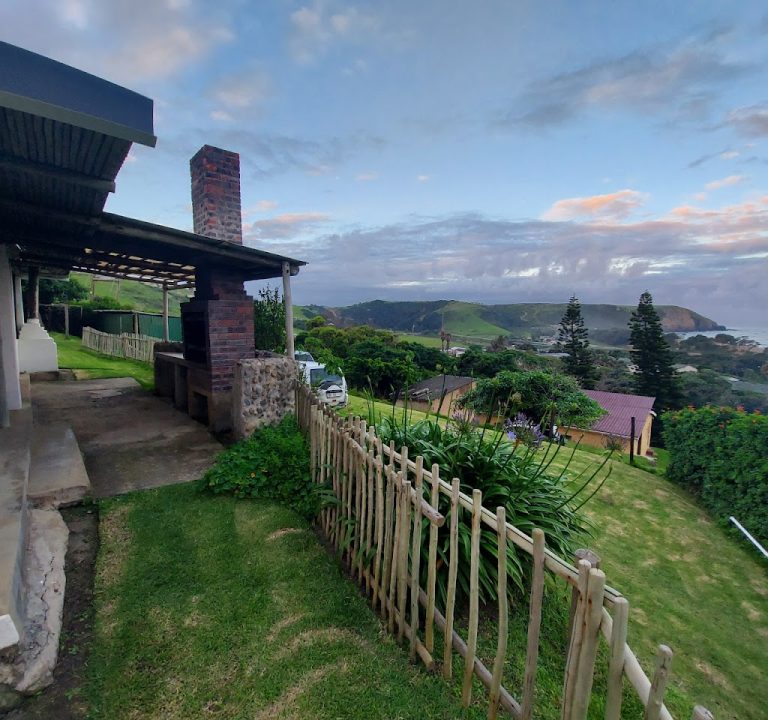
When choosing where to stay, consider the layout of the village and the surrounding coastline. The main coastal stretch places accommodation within easy reach of the beach, while hillside options can provide enhanced visibility over the sea and nearby bays. If you are travelling with family or a group, look for family rooms or self-catering options to give you flexibility between beach days and in-house dining. For solo travellers or couples seeking a more intimate atmosphere, denser clusters of guesthouses and lodges in quieter corners can offer a greater sense of space and privacy without sacrificing access to the village’s social vibe.
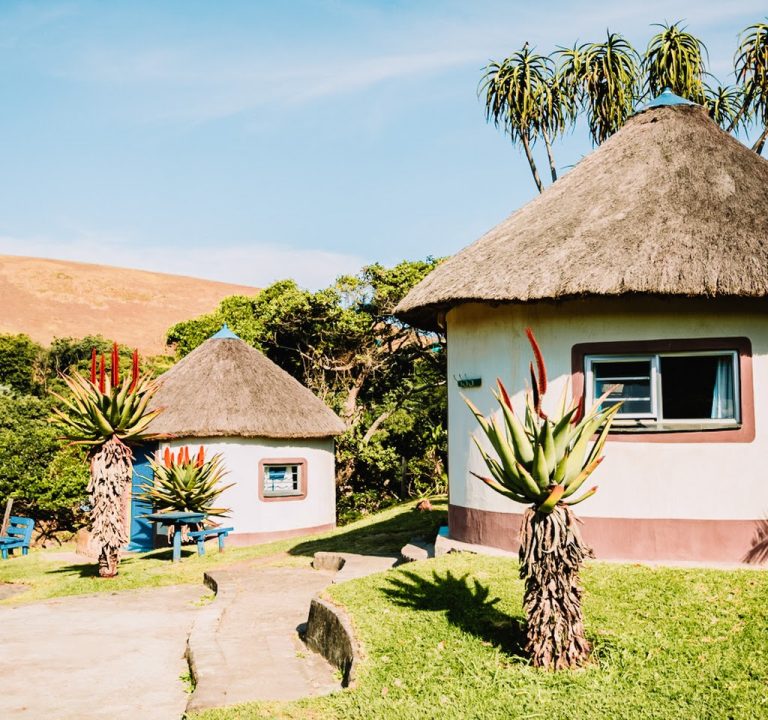
Typical amenities at Coffee Bay lodgings vary from no-frills rooms to more established guesthouses with en-suite facilities, private balconies, and communal dining areas. Shared kitchen facilities, laundry services, and Wi‑Fi are common, but it is wise to confirm what is available in advance, especially during peak holiday periods. Many properties offer shaded verandas or garden spaces where guests can enjoy sundowners as the sun sinks over the Indian Ocean. Some lodgings also provide guidance on local walks, tide pools, and safe swimming spots, which can be invaluable for first-time visitors.
Transport within and around Coffee Bay is best planned with a flexible mindset. The coastal road along the Wild Coast is scenic but can be narrow and winding; arranging a vehicle with a reliable GPS or using a reputable hire service is advisable. If you arrive by air, the nearest regional hubs provide road connections to Coffee Bay, and local operators may offer day tours that focus on the coast’s highlights. For adventure seekers, planned transfers to trailheads or beaches can be time-saving. Remember that public transport in more remote stretches can be limited, especially on weekends, so budgeting a little extra time for travel is sensible.
The best time to visit Coffee Bay depends on the experience you want. The dry season, typically cooler but sunnier, is popular for hiking along clifftop routes and enjoying long, breezy beach days without the worry of rain. Warmer summer months bring lush scenery and more forgiving sea conditions but may bring higher humidity and occasional showers. Wildlife-spotting opportunities exist at coastal and nearby inland routes, though they are opportunistic rather than guaranteed. If you are planning outdoor activities such as hiking, ensure you check local conditions and tide times, and pack accordingly with sun protection, a lightweight waterproof layer and sturdy footwear.
Food and drink in Coffee Bay tend to reflect the coastal, community‑led character of the area. You can expect informal eateries that specialise in fresh catch dishes, comforting flavours, and simple, wholesome meals in relaxed settings. Some places also offer vegetarian or lighter options. Since the region benefits from a welcoming, low-key dining scene, you’ll often find recommendations passed along by hosts or fellow travellers rather than grand, high-budget restaurants. For more refined menus or specific cuisines, a short journey to nearby coastal towns offers additional choice while keeping the distinctive, laid-back atmosphere that Coffee Bay is known for.
Practical tips for planning your stay:
- Book early for peak holiday periods and weekends, as options can be limited and popular lodgings fill quickly.
- Check access and parking arrangements if you plan to hire a vehicle; some properties are set back from the main road and require short private paths or steps.
- Ask about sea and beach access, including lifeguard coverage, safe swimming zones, and tides for snorkelling or reef explorations.
- Inquire whether your accommodation provides maps, local walking routes, and recommendations for day trips or guided experiences.
- Carry cash and small change for local markets or informal eateries, where card payment may not always be available.
Nearby attractions and experiences can enrich a stay in Coffee Bay. The region’s rugged coastline offers dramatic viewpoints and coastal trails that reward steady feet and a sense of adventure. The distinctive Hole in the Wall rock formation is a renowned landmark along the coast, often paired with sunrise or sunset walks. Beach days, tidepool discoveries, and opportunities to observe local wildlife can be complemented by visits to nearby villages or scenic viewpoints. For a broader experience, consider a day trip to other Wild Coast communities to understand the area’s cultural heritage and natural beauty, all while supporting small, locally run enterprises.
For planning resources and further inspiration, you may explore regional tourism sites for practical itineraries and general guidance. When you book, ensure you read guest reviews and confirm accessibility details, especially if you have specific mobility or comfort requirements. Coffee Bay’s charm lies in its unhurried tempo, welcoming hosts, and the sense that you can simply be present, listening to the waves and enjoying a coastline that feels far from the bustle of everyday life. For more ideas and an overview of travel options, visit reputable tourism portals and the official regional pages.