Accommodation and Experiences in Cape Town: Planning a Memorable Stay
Cape Town offers a rich mix of accommodation styles to suit every type of traveller, from sleek boutique hotels to spacious self-catering apartments with views of the ocean or surrounding mountains. When planning a stay, think about what you want to prioritise—a beachside vibe, easy access to sights, a quieter neighbourhood with gardens and family-friendly spaces, or a hip, food-forward area close to nightlife. The city’s neighbourhoods vary in character, so choosing the right base can shape your entire itinerary.
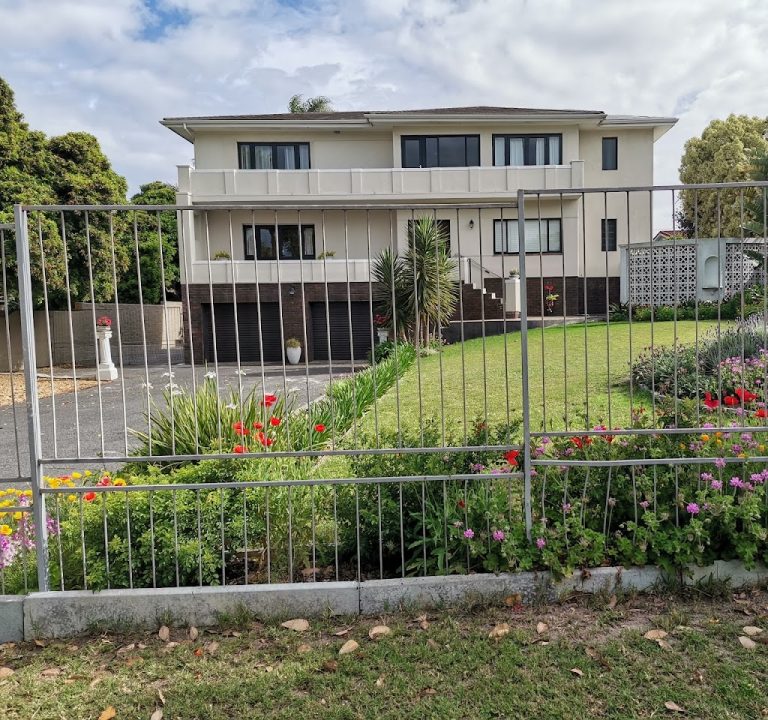
Areas to consider include the Atlantic Seaboard for beaches and dramatic sea views, the City Bowl for walkable streets, dining and galleries, and the Constantia Valley for wine and tranquillity. For a vibrant mix of culture and access to the waterfront, the areas around the V&A Waterfront and the neighbourhoods of Woodstock or Tamboerskloof often provide convenient hubs. If you are seeking a more residential, leafy environment with proximity to gardens and hiking trails, Constantia and Newlands can be excellent choices. For self-catering stays, a place like Waikiki Villa Self-Catering Apartment could be appealing if you prefer privacy and kitchen facilities to plan meals around your schedule.
When evaluating accommodation, consider the following factors to secure a comfortable base for your visit:
- Location versus convenience: A short walk or ride to restaurants, shops, and sights can save time and nerves, especially in peak season.
- Type of stay: Self-catering apartments offer flexibility and space, while boutique hotels might provide daily housekeeping and curated experiences. Guesthouses can blend local charm with personalised service.
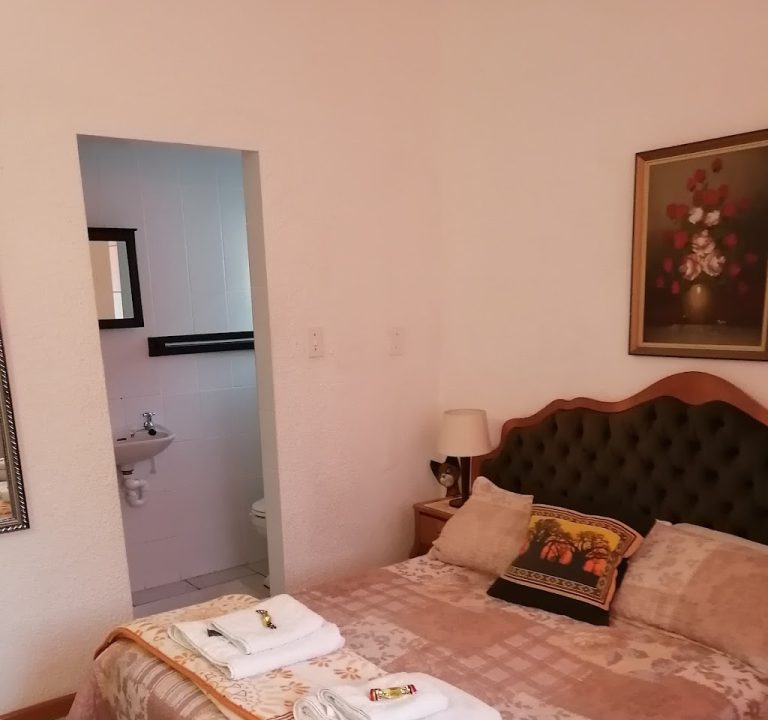
- Views and amenities: Think about whether you want a balcony with sea or mountain views, en suite bathrooms, reliable Wi‑Fi, a well-equipped kitchenette, and parking facilities.
- Transport links: Proximity to MyCiTi bus routes or easy access to taxis and ridesharing apps makes day trips easier, particularly when visiting wine regions or Table Mountain viewpoints.
- Safety and access: Look for secure entrances, clear neighbourhood reputations, and guest reviews that address neighbourhood street life and lighting at night.
Typical amenities in Cape Town accommodation often include well-equipped kitchens or kitchenettes, complimentary Wi‑Fi, parking, and flexible check-in options. Many self-catering units provide the basics: a stove, fridge, and cooking essentials, plus white goods such as a washing machine or dryer in some properties. In boutique and larger hotels, you may find breakfast options, on-site dining, fitness facilities, and concierge services that can help plan day trips or arrange a helpful restaurant or activity guide. Always confirm what is included in the rate, such as maid service, linen changes, and building access after hours.
Practical planning tips to make the most of your stay:
- Seasonal considerations: Cape Town experiences a temperate climate with wet winters and dry summers. The best time to visit for outdoor activities is usually spring (September to November) and autumn (March to May) when temperatures are mild and humidity is lower. December to February is peak season with lively beaches and longer daylight hours, while winter can be cooler and windy—but still pleasant for city sightseeing and indoor experiences.
- Booking wisely: Read recent guest reviews to gauge consistency in cleanliness, noise levels, and responsiveness of hosts or management. Check cancellation policies and whether city regulations affect short-term rentals in the area you choose.
- Planning for transport: If you plan to visit the Cape Peninsula, the winelands, or nature reserves, a rental car can be convenient, though some guests enjoy guided tours or day trips that provide transport. In urban areas, ridesharing apps and the MyCiTi bus offer safe, traffic-conscious alternatives to driving.
- Food and dining: Cape Town’s dining scene ranges from casual bistros to fine-dining venues and bustling markets. If you’re staying in self-catering accommodation, you’ll have the flexibility to prepare meals with local produce from nearby markets and grocers, while a wide array of restaurants is easy to reach by foot, bike, or taxi.
- Safety basics: Keep valuables secure, use well-lit routes at night, and stay aware of your surroundings in busy areas. Most visitors have good experiences by sticking to well-known districts and following local advice.
- Weather-ready packing: Bring a light layer for sea breeze and a warmer layer for cooler evenings, plus comfortable footwear for walking and hikes up to scenic viewpoints.
Popular natural and cultural highlights near Cape Town include iconic viewpoints, coastal hikes, and accessible gardens and museums. Scenic day trips commonly combine a scenic drive along the coast with stops for photo opportunities, a wine-tasting session in the nearby valleys, or a guided walk that introduces you to the surrounding flora and geology. In the city itself, galleries, markets, and waterfront precincts provide a mix of art, crafts, and relaxed dining experiences that showcase the region’s diverse heritage.
To make the most of your stay, pair your accommodation choice with a flexible, well-paced itinerary. Reserve a couple of longer days for a memorable scenic drive or a guided nature hike, and leave additional time for spontaneous discoveries in the city’s vibrant neighbourhoods. With careful planning, your Cape Town visit can blend comfortable lodging with unforgettable sights, tastes, and experiences.