Accommodation and Experiences in Cape Town, Western Cape
Cape Town offers a diverse range of stays to suit every traveller, from stylish boutique hotels and guesthouses to family-friendly lodges and modern apartments. When planning a visit, consider the neighbourhoods that best align with your interests, accessibility, and the kind of backdrop you want for your stay. The city’s distinctive geography—mountain, harbour and coastline—means different areas provide different vibes and routes to exploring the surrounding attractions.
Areas to consider
- City Bowl and the Central City: A convenient base for first-time visitors, with easy access to national landmarks, museums, and vibrant dining on your doorstep. Properties here tend to be within walking distance of cafés, markets and nightlife.
- Atlantic Seaboard (Camps Bay, Clifton, Bantry Bay): For beach lovers and scenic sunsets, with many high-end hotels and self-catering options perched above the shore. Expect dramatic views and more refined dining choices nearby.
- V&A Waterfront and Green Point: A lively hub for maritime scenery, shopping and family-friendly activities. Suitable for travellers who value accessibility and a modern, compact set of amenities.
- Southern Suburbs (Constantia, Rondebosch, Claremont): Ideal for a relaxed stay near wine estates, leafy streets and more spacious accommodation. Great if you favour a slower pace with easy access to nature trails.
- Stories of Bo-Kaap and nearby neighbourhoods: Rich culture and history with charming guesthouses and boutique stays that offer a sense of place alongside convenient transport links.
What to look for when booking
- Location relative to your planned activities—whether you want easy beach access, city-centre convenience, or a scenic, tranquil base.
- Transport links: proximity to MyCiTi bus routes or rail connections can reduce the need for car hire, particularly in peak traffic.
- Room configurations and privacy: options range from intimate rooms to suites and self-catering apartments, with varying levels of housekeeping and security features.
- Amenities that suit you: reliable wifi, secure parking, on-site dining, a pool with sea or mountain views, and flexible check-in/check-out options.
- Access to local guides or experiences: some properties offer curated recommendations, walking routes, or partner experiences for a smoother stay.
Typical amenities and practical tips
Many Cape Town stays feature en-suite bathrooms, climate control, and unobtrusive housekeeping. Expect well-equipped kitchens or tea-and-coffee stations in apartments and guesthouses, as well as access to laundry facilities in larger properties. If you plan to explore the city by night, look for properties with good safety measures, well-lit streets, and reception staff who can assist after hours. A flexible cancellation policy is worth prioritising, particularly if your plans may shift with weather or events.
Transport and getting around
Cape Town is navigable by taxi services, ride-hailing apps, and public transport routes, with MyCiTi buses offering a straightforward way to connect key sights. A car can be convenient for day trips to the Cape Peninsula or wine regions, but many central areas are walkable and serviced by ridesharing. When staying in the Atlantic Seaboard or the City Bowl, you may find that you can reach the best restaurants and viewpoints on foot or via a short ride, reducing the need to own a car during your stay.
Best time to visit
The city experiences warm, dry summers from November to March and cooler, wetter winters from May to August. Peak holiday periods can be busier, especially around major events and school holidays. Shoulder seasons—late spring and early autumn—often provide pleasant weather, more comfortable crowds, and good value for accommodation. If you are keen on outdoor activities such as hiking or coastal drives, plan for mornings when conditions are typically calmer and clearer.
Experiences and dining in general terms
Cape Town’s culinary scene ranges from casual bistros and coastal seafood spots to fine dining and wine pairing experiences in nearby wine routes. Many visitors enjoy trying a mix of neighbourhood eateries and tasting menus, paired with local wines in Constantia or the nearby Constantia Valley. For lifestyle, you can explore markets, galleries, and live music venues that showcase the city’s creative energy. Day trips may include a drive along stunning coastal routes, a visit to a penguin colony on a southern peninsula, or a boat tour near the harbour—each offering a different perspective on the region’s natural beauty and cultural heritage.
Accommodation example
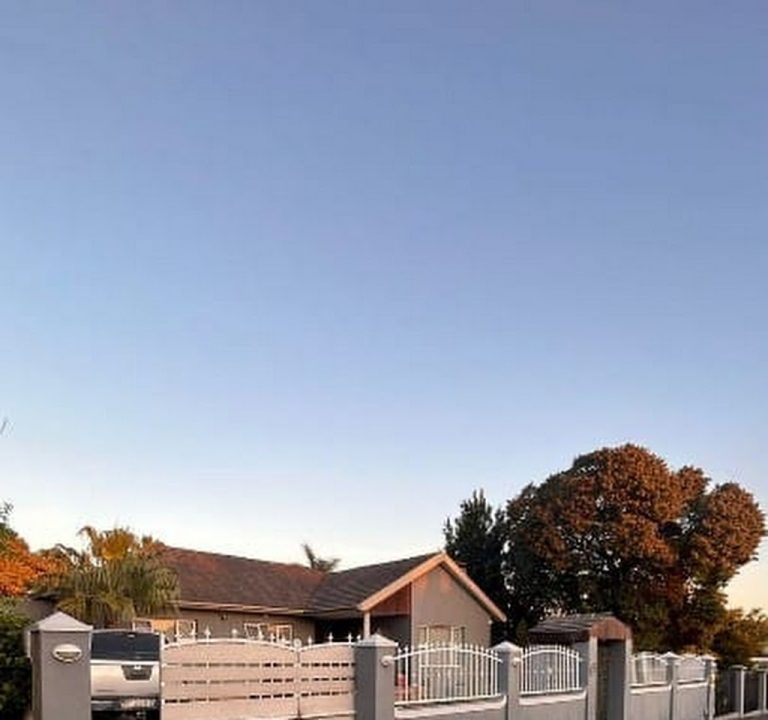
Among the options in Cape Town is Miches House, described as a boutique property in the Hotels category. It exemplifies the kind of contemporary, well-equipped stay that can serve as a comfortable home base while you explore the area. When researching, consider how the property’s design and services align with your plans, whether you are seeking a light-touch stay with self-catering conveniences or a more serviced hotel experience.
Practical planning checklist
- Map out a rough itinerary with a mix of city highlights, coastal viewpoints, and a couple of day trips to winelands or nature reserves.
- Check access to airports, ferries, or rail links if you plan to explore beyond the city.
- Review the property's cancellation terms, payment policy, and what is included in your rate (breakfast, parking, wifi, etc.).
- Prepare for variable weather: pack layers, sun protection, and a light rain jacket for sudden changes.
With thoughtful selection, your Cape Town stay can be as dynamic or relaxed as you like, offering a blend of great accommodation, world-class cuisine, and memorable outdoor experiences against the dramatic backdrop of this iconic South African destination.