Experience Cape Town: accommodation, planning tips and top attractions
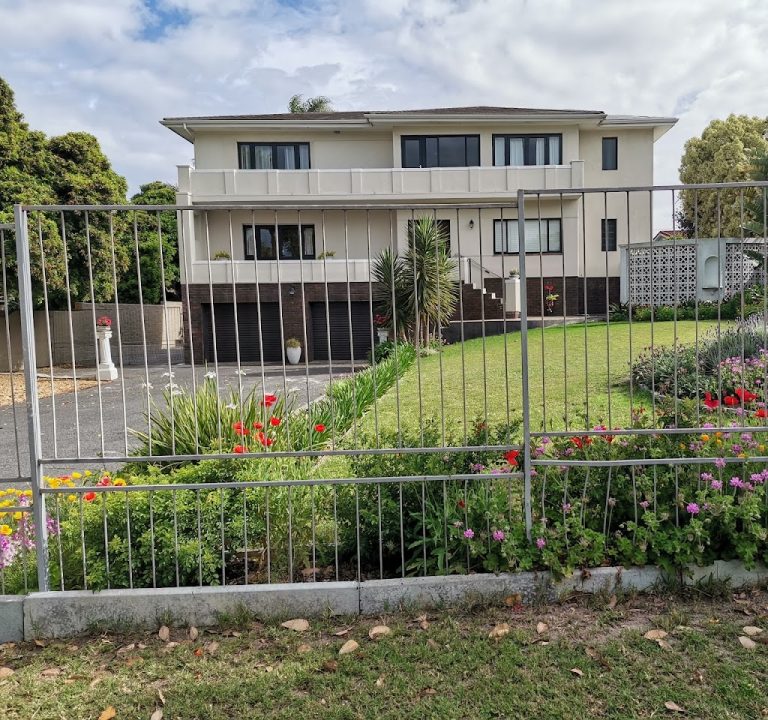
Capable of pairing natural beauty with urban energy, Cape Town offers a diverse range of places to stay that suit every traveller’s rhythm. From boutique guest houses tucked into leafy suburbs to modern hotels with panoramic harbour views, choosing the right base can shape your entire visit. For those seeking a personal, homely atmosphere, smaller properties such as Cape Dawn Guest House, a guest house with a relaxed, welcoming vibe, are popular options and typically provide easy access to key sights and neighbourhoods via convenient transport routes. Visitors often find that location matters as much as the room itself when planning a well-paced itinerary.
When selecting accommodation, consider the area in relation to your plans. City Bowl and the central business district provide proximity to museums, markets and restaurants, while the Atlantic Seaboard—encompassing areas like Green Point, Sea Point and Camps Bay—offers close-to-the-ocean ambience, with beach walks and scenic drives on your doorstep. Constantia valley and the southern suburbs are ideal for wine lovers and leafy, tranquil streets, often with larger properties and a slower pace. For families or longer stays, guest houses and small hotels in these areas can provide generous rooms, easy parking, and hosts who can offer local tips.
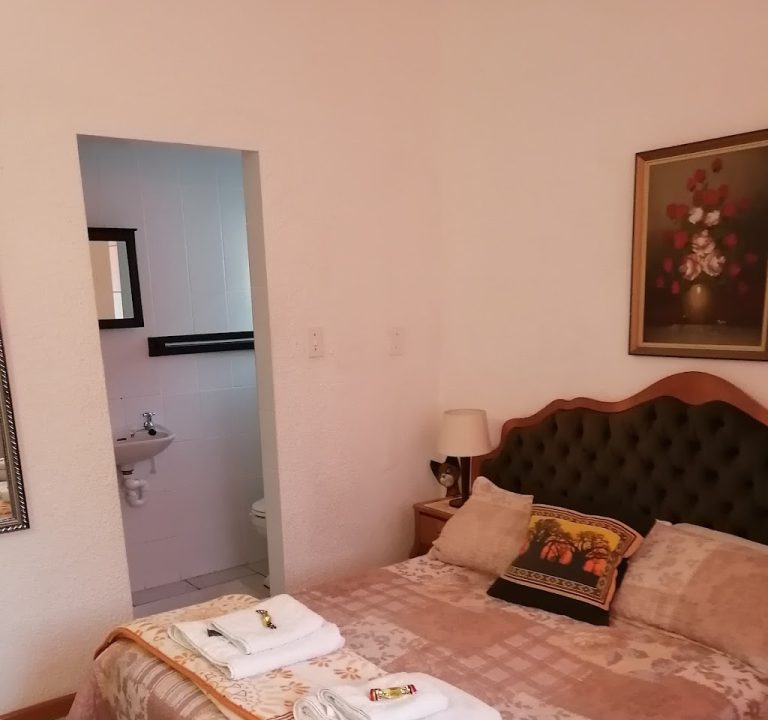
Typical amenities to look for include reliable wifi, comfortable en-suite bathrooms, air conditioning or efficient cooling, parking facilities, and security features. A good breakfast—whether continental, full English, or tailored to dietary needs—can set you up for busy days of sightseeing. Some properties also offer guest lounges, well-equipped kitchens, or shaded outdoor spaces where you can enjoy a quiet moment after a day of exploring. If walking or short drives will be your daily routine, ask about proximity to transit routes or hop-on-hop-off services rather than relying solely on hire cars.
Transport is a practical consideration in Cape Town. The city is well served by an integrated network of buses, MyCiTi lines, ride-hailing options, and scenic routes that connect major sights. If you’re renting a car, check whether your accommodation offers secure parking and what the access routes are like during peak times. For those prioritising sustainability or convenience, look for places within easy reach of a cycle-friendly corridor or a reliable taxi or shuttle option. Some neighbourhoods provide a walkable core with cafés, shops and markets, reducing the need for daily driving.
Best time to visit Cape Town depends on your priorities. Spring (September to November) brings mild weather and blossoming gardens, while autumn (March to May) often delivers comfortable temperatures and fewer crowds. Summer (December to February) is peak season, with longer days ideal for outdoor adventures, beaches and harbour activities, though prices and demand can be higher. Winter (June to August) is cooler and wetter, which can be ideal for city museums, mountain activities on clearer days, and cosy evenings in guest houses with hearty dinners. If your aim is to combine city life with outdoor experiences, plan a mix of days that balances hiking, coastal exploration, and time in tranquil neighbourhoods with a view or garden setting.
When planning a stay, consider the practicalities of daily logistics. A useful approach is to map out a handful of “anchor” experiences—such as a Table Mountain cableway visit, a stroll along the V&A Waterfront, and a drive along the scenic Atlantic coast—and then plot nearby dining and accommodation options that minimise backtracking. Eating out in Cape Town ranges from casual cafés to refined dining rooms, with a strong emphasis on seafood, fresh produce, and global influences. Rather than focusing on specific restaurants, look for places with positive guest reviews, clear allergen information, and good accessibility, so you can enjoy a well-rounded culinary experience without unnecessary stress.
For a well-balanced itinerary, you could structure a few day-sketches around a central area and day trips to nearby attractions. A general, flexible plan might include: a day in the City Bowl or central area exploring markets and galleries; a coastal morning in Sea Point with a promenade stroll; an afternoon at Kirstenbosch National Botanical Garden or a nearby wine estate; and a scenic drive to the Cape Peninsula or the Constantia Valley for spectacular ocean or vineyard views. Your base can act as a home base for these discoveries, with easy access to reliable amenities, quiet spaces to recharge, and practical facilities for planning your next day.
When booking, ask about practical details such as early check-in or late check-out policies, options for luggage storage after checkout, and the availability of caffeine-free or vegetarian breakfast choices. If you’re arriving by air, consider whether the accommodation offers guidance on transfers from the airport, time-saving tips for first-day orientation, or recommendations for quiet neighbourhoods with safe evening strolls. A well-chosen guest house or small hotel can feel like a home away from home, with hosts who can share local knowledge and help you tailor your stay to your interests.
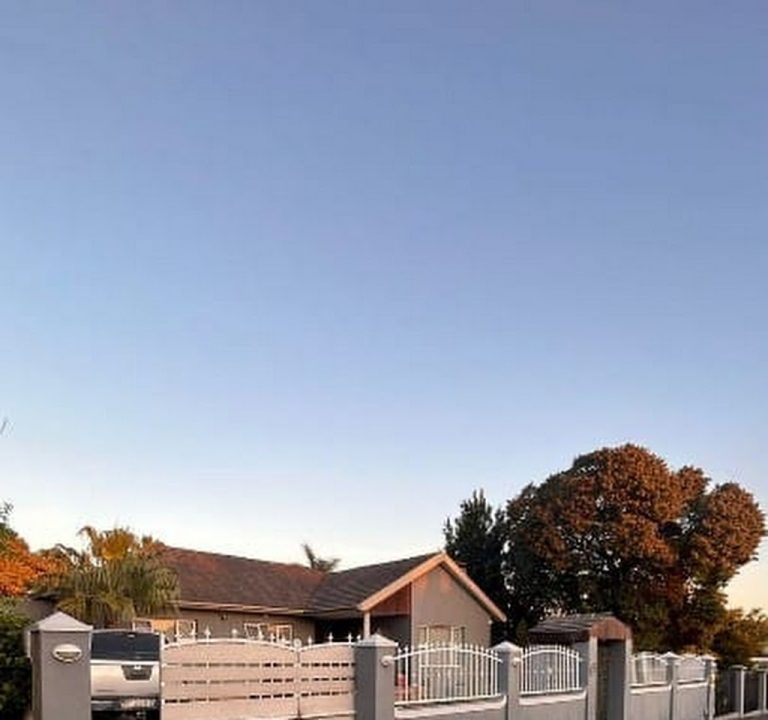
Example accommodation, such as Cape Dawn Guest House, illustrates how a thoughtfully arranged property can support a relaxed yet engaging visit. Its website provides an overview of the experience, location and contact options, inviting you to explore the neighbourhoods, beaches, and scenic routes that make Cape Town such a dynamic destination. Whether you’re chasing iconic viewpoints, markets filled with crafts and foods, or serene garden walks, your choice of lodging can be a keystone to a memorable Cape Town stay. For planning and booking, consult trustworthy travel guides and user reviews, compare areas carefully, and choose a pace that suits you—allowing breaks between adventures and time to simply enjoy the view.
- City Bowl: central access to culture, museums, theatres and markets
- Atlantic Seaboard: beaches, scenic coastal paths, and sunset vistas
- Constantia and southern suburbs: wine, gardens and tranquil settings
- Transport: proximity to MyCiTi routes, parking availability, and safe pedestrian routes
Website reference for further details: Cape Dawn Guest House.