Accommodation and Attractions in Cape Town: Planning Your Stay in the Western Cape
Cape Town offers a diverse blend of accommodation options, from contemporary city-centre hotels to cosy guesthouses tucked away in leafy suburbs, and stylish boutique stays that put you within easy reach of ocean and mountain scenery. When planning a stay, consider the neighbourhoods that suit your style and pace, as each area brings a distinct character and convenient access to attractions, dining, and transport.
In central Cape Town you’ll find modern hotels and apartment-hotels that are ideal for exploring the city on foot or via short rides. The Atlantic Seaboard offers upscale stays with sea views, while the inner city provides a mix of boutique hotels and guesthouses that put you close to theatres, museums, and dining precincts. For a more residential feel with easy access to beaches and hiking, the southern suburbs and suburbs such as Constantia, Oranjezicht, and Green Point are worth considering. If you’re after a more tranquil coastal vibe, venues along the Atlantic coast provide a relaxed pace and ocean breezes. When selecting accommodation, think about the daily rhythm you want—city buzz, beach time, or mountain access—and how you’ll get around.
Typical amenities to look for include reliable free Wi‑Fi, comfortable bedding, and flexible breakfast options. Many establishments offer on-site parking, which is convenient if you plan to explore beyond the city by car. Other appealing features can include ergonomic workspaces, easy luggage storage, and well-equipped kitchens or coffee stations for longer stays. If you’re seeking a sense of place, boutique and guesthouse options often emphasise personalised service and curated design that reflects Cape Town’s coastal heritage and colourful streets.
Transport is a vital part of planning. Cape Town has a compact city centre and efficient public transport links, including a bus network and a commuter rail line that can take you to the suburbs and the peninsula. Ride-hailing services are widely available, offering a convenient way to reach attractions, restaurants, and beaches. If you’re staying near the V&A Waterfront or the central business district, you’ll benefit from short walks to cafés and cultural venues, with day trips to the scenic Cape Point route or the Cape Winelands feasible by car or organised tours.
Best time to visit Cape Town spans several seasons. The summer months (December to February) bring longer days and favourable beach conditions, while spring (September to November) offers colourful gardens and pleasant hiking weather. Autumn (March to May) provides mild temperatures, and winter (June to August) can be cooler and windier, though many indoor attractions and markets remain lively. If you plan outdoor activities like hiking or coastal drives, consider the prevailing winds and sea conditions, and always pack layers for fluctuating temperatures between day and night.
When you arrive, practical tips can help you make the most of your stay. Book accommodation with proximity to the activities you anticipate, to minimise travel time. Some travellers value properties with easy access to their favourite hiking trails or scenic viewpoints, while others prioritise proximity to dining and nightlife. Cape Town’s top experiences usually involve nature and culture in equal measure, from cable-car or hiking routes up iconic mountains to guided tours of historic townships or world-class museums. For food lovers, plan a few meals around diverse neighbourhoods—areas with a mix of casual eateries, markets, and refined dining can provide a well-rounded taste of Cape Town’s culinary scene. If you’re seeking a balanced itinerary, combine a few mornings of beach or mountain activities with afternoons spent exploring museums, galleries, and waterfront scenes.
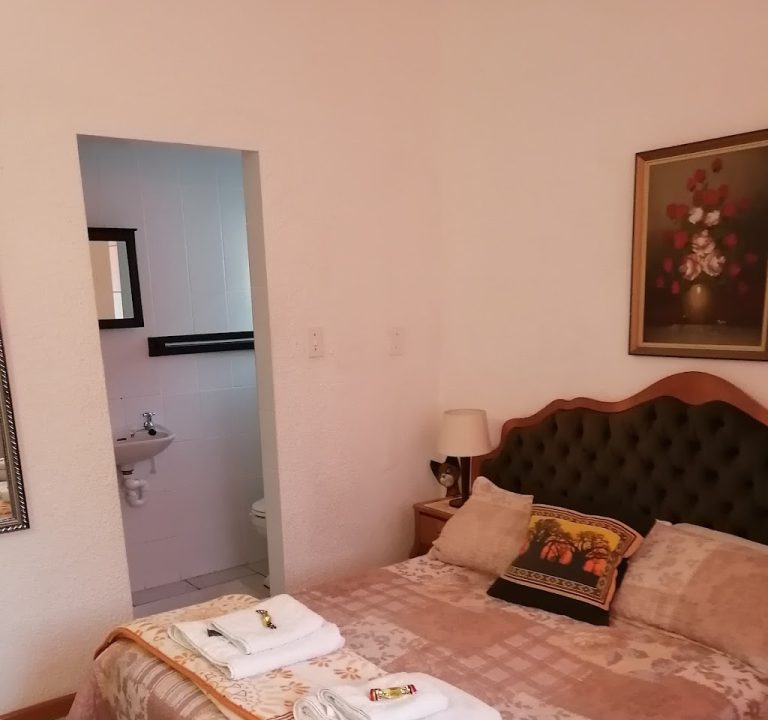
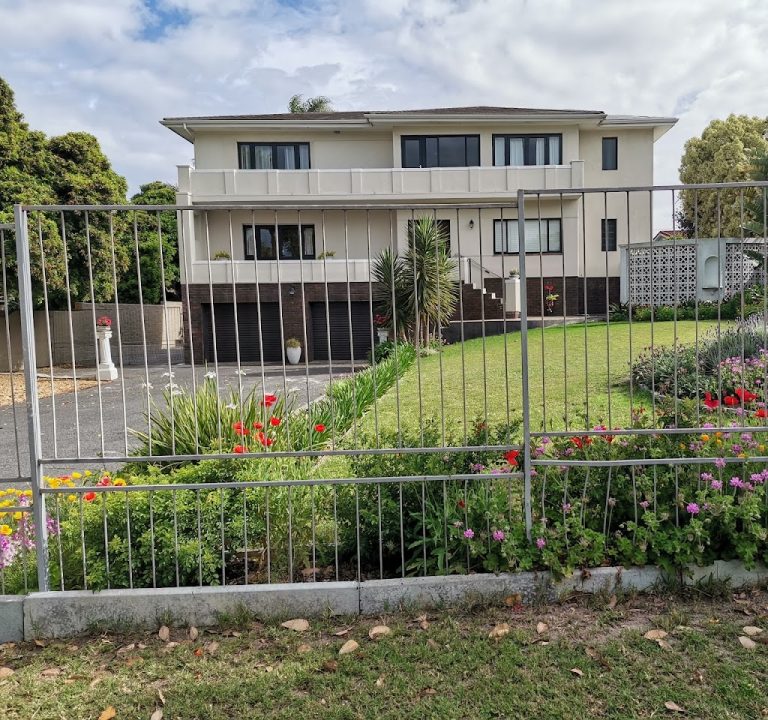
Accommodation such as 50 on Theal represents the family of options that epitomise thoughtful city living: well-appointed rooms, a convenient location, and the comforts that make a stay restful after days of exploration. When booking, it’s helpful to compare room types and terms—check for flexible cancellation policies, housekeeping arrangements, and check-in times that suit your travel plan. For longer stays, look for options with kitchen facilities or lounge spaces where you can unwind and organise day trips.
As for activities and places to explore, Cape Town offers broad categories rather than fixed itineraries. You’ll find scenic viewpoints along coastal drives, markets and waterfront precincts with craft stalls and street food, and museums that illuminate local history and art. For outdoor enthusiasts, there are opportunities for coastal walks, nature reserves, and guided hikes. For those interested in a savoury side of travel, many areas offer excellent cafés and restaurants with varied menus, from casual lunch spots to more formal dining experiences. If you’re visiting with family, look for family-friendly facilities and easy access to outdoor spaces.
Finally, plan with flexibility. Weather can shape the day’s plan, and some attractions operate on seasonal timetables or offer last-minute guided tours. A well-chosen base near the areas you want to explore, paired with a light, adaptable itinerary, will help you experience Cape Town’s rich variety without rushing. For further inspiration, you can explore official tourism resources and reputable travel guides that provide practical, up-to-date suggestions on sights, routes, and experiences in the Western Cape.