Accommodation and Experiences in Cape Town: Planning Your Stay in the Western Cape
Cape Town sits at the edge of spectacular landscapes, where mountains meet the sea and a tapestry of neighbourhoods offers a range of visitor experiences. When planning a stay in the Western Cape capital, consider the mix of dwellings available—from boutique BnBs and guesthouses to self‑catering apartments and small hotels. Each option has its own character, pace and access to the city’s diverse attractions, so choosing the right base can shape the tone of your entire visit.
Neighbourhoods to weigh up include the city bowl for easy access to iconic sights and a lively dining scene, the Atlantic Seaboard for beaches and coastal walks, and the southern peninsula for dramatic scenery and wildlife experiences. If you prefer quieter suburbs with a homely feel, areas a short drive from the centre may offer more residential comfort and value. For those seeking self‑catering convenience, self‑contained units in guesthouses provide the best of both worlds: a friendly host, a comfortable space, and the freedom to set your own schedule.
When booking, look for several key features. A good guesthouse or self‑catering option should clearly list what is included in the price—such as Wi‑Fi, daily housekeeping, and kitchen facilities. Check whether the property provides safe parking if you are hiring a car, and consider proximity to reliable public transport links or ride‑hailing options. Descriptions that mention view rooms, private terraces, or outdoor spaces can add significant value, especially if you plan to spend evenings alfresco or enjoy breakfasts with a panorama.
Typical amenities that travellers value in Cape Town include fast internet, well-equipped kitchens or kitchenettes, comfortable beds, and en‑suite bathrooms. A guesthouse that offers a guest lounge, a compact in‑house dining area, or a garden space can elevate the stay, even if you are visiting for a short break. Washing facilities, air conditioning or ceiling fans, and security features such as cameras or on‑site staff can also influence comfort levels, particularly during the warmer months when Cape Town experiences its peak visitor season.
Transport is a practical consideration that often shapes planning. Having access to a car provides the most flexibility for excursions to the Cape Peninsula, Cape Point, Constantia wine routes, or the Cape Winelands. If you prefer not to drive, choose accommodation close to MyCiTi bus routes or a central hub with easy access to taxis or ride‑hailing services. For those staying near the V&A Waterfront or the city centre, compact streets and walkable precincts can reduce the need for daily transport, letting you linger over meals and city strolls.
The best time to visit Cape Town depends on what you want from your trip. Spring and autumn offer milder temperatures and gentler crowds, which can be ideal for sightseeing and hiking. Summer brings longer daylight hours and vibrant outdoor markets, but can also be busier at popular beaches and attractions. If your plans include dramatic coastal drives, whale watching along the coast, or exploring the winelands, aligning your stay with seasonal offerings will maximise your experience. Always check local events calendars, as street markets, theatre performances and outdoor concerts can enhance your stay but may also affect room availability and traffic patterns.
For a balanced itinerary, mix iconic sights with lighter, local experiences. Visitors commonly allocate time for a cable‑car ascent up a nearby mountain for panoramic views, a stroll through historic quarter streets, and a relaxed day discovering cafés and casual eateries with a focus on fresh, South African fare. When it comes to dining, seek places that highlight seasonal produce, regional flavours, and friendly service. It’s wise to book ahead for popular venues, especially during peak seasons, and to remain flexible to discover neighbourhood gems off the beaten track.
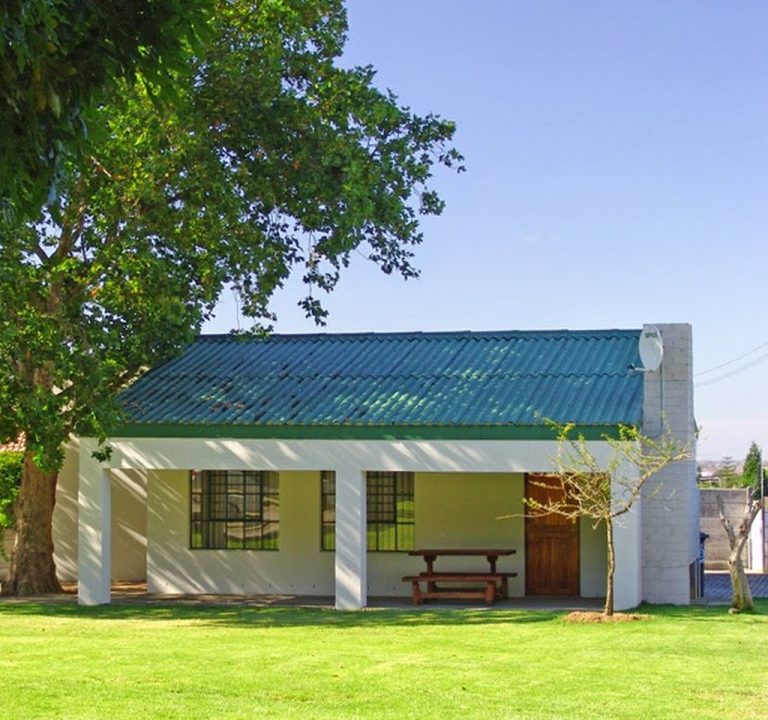
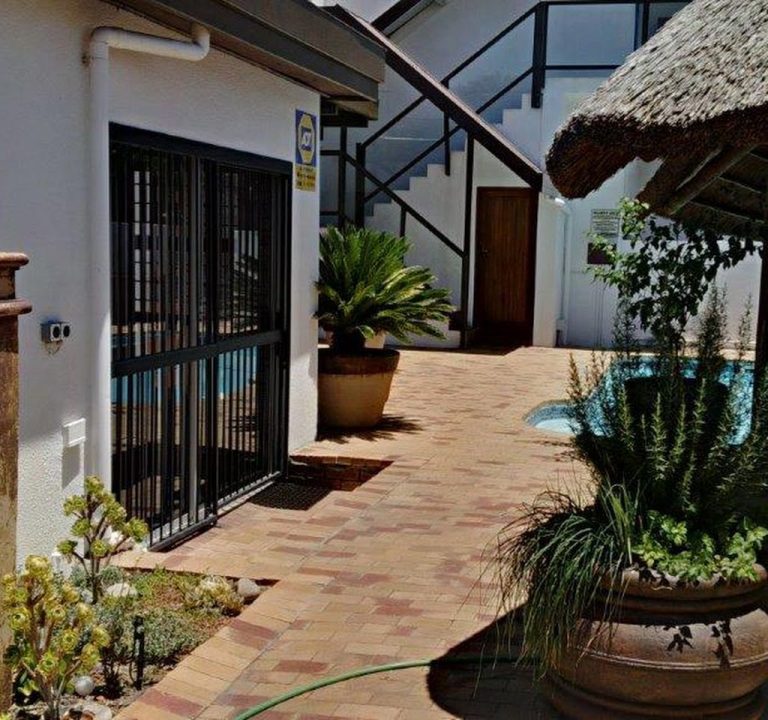
One example of accommodation that embodies the guesthouse ethos—offering a comfortable, self‑contained stay with a personal touch—is Vredekloof Self Catering Accommodation. Located in a welcoming suburb with easy access to major routes, it provides a practical base for exploring Cape Town and the surrounding areas. Guests can find a homely space with essential facilities, and the property’s website offers further details and booking options: Vredekloof Self Catering Accommodation.
To get the most from your trip, you may also want to plan a selection of attractions and experiences that suit all ages and interests. In broad terms, Cape Town offers a blend of natural beauty, cultural heritage, and modern city living. Expect to encounter spectacular coastal scenery, wildlife on accessible reserves, and a variety of museums and galleries that illuminate the region’s history and creative energy. For meals, casual eateries and fine‑dining venues sit alongside lively markets and food halls, where you can sample everything from fresh seafood to traditional dishes and contemporary twists on classic favourites.
- Define your priorities: beaches, mountains, or cultural experiences
- Choose a central base with good transport links or a quiet suburb with easy access to roads
- Check for essential amenities: reliable Wi‑Fi, secure parking, kitchen facilities
- Plan a flexible itinerary with built‑in rest days to soak up the city at a relaxed pace
- Book ahead for peak seasons and popular dining spots to avoid disappointment
Whether you are drawn by the scenery of awe‑inspiring coastlines, the lure of world‑class dining, or the charm of a well‑located guesthouse, Cape Town offers a hospitality landscape that can suit every traveller. With thoughtful planning, you can secure accommodation that feels like a home from home, while keeping space in your itinerary for discovery and spontaneous moments along the South African coastline.