Discovering Cape Town: Where to stay and what to do
Cape Town offers a dynamic mix of scenery, culture and cuisine that rewards slow-paced stays and well-planned itineraries. From sun-washed beaches to rugged mountains, the city provides a range of accommodation options that suit different budgets and styles. Whether you prefer a cosy guest house with personal touches, a modern boutique hotel, or a self-catering apartment with a kitchen, you’ll find places that feel like home while you explore the Western Cape’s iconic landscapes.
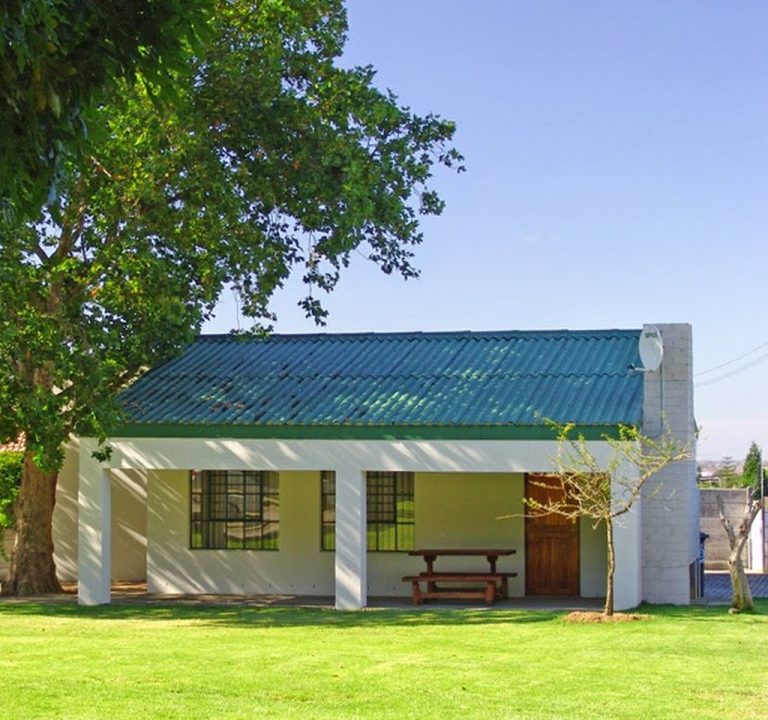
When planning a stay, consider the areas that best align with your interests and pace. The Atlantic Seaboard delivers sea views, leafy promenades and deli-casual eateries, with convenient access to beaches and the City Bowl. The City Centre offers a central base for exploring museums, markets and historic streets, often with efficient public transport links. The Southern Suburbs provide easy access to wine estates, botanical gardens and scenic drives along the coast. For a more relaxed vibe, nearby towns and villages can be a pleasant day trip away while your base remains in Cape Town proper. A guest house such as Nouveaudepart can exemplify the warm, personal touch many travellers seek, with comfortable rooms and shared spaces that encourage a sense of homely hospitality.
Key considerations when booking include location, room configuration and access to transport. If you rely on taxis or rideshares, staying near main transport routes or in areas with good pedestrian paths helps minimise transit time. For those who enjoy exploring by foot, aim for districts with walkable streets, restaurants, and markets. Check whether the accommodation offers on-site parking, flexible check-in, and self-catering facilities if you want meals at busy times or to pace your day around your own rhythms. Look for reliable Wi‑Fi, a well-equipped kitchenette or breakfast options, and clean, regularly serviced common areas. A friendly staff ethos can transform a stay, with local recommendations that add real flavour to plans.
Typical facilities across Cape Town’s accommodation spectrum might include en-suite bathrooms, air conditioning or ceiling fans, free Wi‑Fi, and breakfast offerings. Small guest houses frequently provide intimate lounges, sunny courtyards, and secure access, while larger boutique hotels may feature cafés, concierge desks and sometimes spa facilities. If you have specific needs—such as accessibility, pet-friendly policies, or workspaces—check the property’s listings in advance to ensure these are met. It’s worth noting that many guest houses and smaller hotels prioritise sustainability practices and community engagement, values that resonate with travellers seeking responsible tourism.
Transport in Cape Town can be straightforward but varies by area. In the City Bowl and Atlantic Seaboard, strolling or short rides are common, and many visitors use ridesharing services or public transit to reach attractions. If you plan to visit the Cape Peninsula or winelands, a Rental car becomes a practical choice, giving you flexibility for scenic drives and detours into scenic viewpoints or farms. For those who prefer not to drive, guided day tours and hop-on-hop-off options can simplify logistics while offering knowledgeable local context about landmarks and routes.
The best time to visit Cape Town depends on your priorities. The spring months (September to November) offer moderate temperatures and lush surroundings, ideal for hikers and nature lovers. Summer (December to February) brings longer days and vibrant outdoor life, perfect for beaches and outdoor markets. Autumn (March to May) presents cooler evenings and quieter streets, a good window for city exploration and wine country trips. Winter (June to August) tends to be cooler and wetter, yet Cape Town still holds appeal with indoor cultural attractions and nearby coastal scenery. Regardless of season, mornings often provide the clearest light for Table Mountain views, while late afternoons can reveal spectacular colours over the Atlantic coastline.
When you’re selecting experiences, balance should be your guide. Iconic landscapes such as Table Mountain or the Cape Peninsula offer opportunities for uplifting outdoor days, while the V&A Waterfront and nearby markets provide comforting, family-friendly options and a sense of place. For food lovers, Cape Town’s dining scene ranges from casual seafood shacks and vibrant markets to refined tasting menus, always with a strong emphasis on fresh, local ingredients. Dining near your chosen base can save travel time and allow you to enjoy restaurant hours without the rush of big-city schedules. Look for suggestions and maps in advance, and allow space for spontaneous discoveries—small eateries or coffee shops can become memorable highlights of a stay.
Practical tips to make the most of your visit:
- Confirm check-in times and whether late arrivals can be accommodated.
- Ask about directions to the nearest MyCiTi bus stops or reliable taxi options for easy city travel.
- Pack layers for variable coastal weather; even in summer, sea breezes can feel cooler on the hills.
- Bring a reusable water bottle; many attractions are near water sources or cafés that welcome refillable cups.
- Plan a flexible itinerary that includes both well-known sights and offbeat neighbourhoods to discover authentic Cape Town life.
For ideas and practical planning, consider official tourism resources and reputable travel guides to map out a route that fits your pace. Cape Town’s mix of accommodation, natural beauty and culinary curiosity makes for a well-rounded stay, whether you’re seeking a quiet weekend getaway or a longer, immersive break. Explore thoughtfully, and you’ll return home with a layered memory of the Western Cape’s distinct charm.
Further information and inspiration can be found at Cape Town’s tourism pages and regional guides, which offer practical tips, suggested itineraries and ideas for our diverse neighbourhoods.